




Soundproof foam fixes reverberation, not transmission, and no thickness of polyurethane will mute a noisy neighbor by itself; once you accept that boundary, every purchase decision gets easier. I run outgoing QC on acoustic panels, which means I weigh billets and verify fire classifications before anything leaves the line, and yesterday I spent a full day walking a building materials market listening to counter talk. One dealer quoted his 50mm sheet as 32 kg/m³ dense soundproof foam. I borrowed his hanging scale and weighed a one-meter sample square. It came to 640 grams. A meter of that panel at 32 kg/m³ should read 1.6 kg, so his premium stock was actually running near 13 kg/m³ underneath the price tag. He did not take the arithmetic well.
What GB 55016-2021 Changed at the Counter
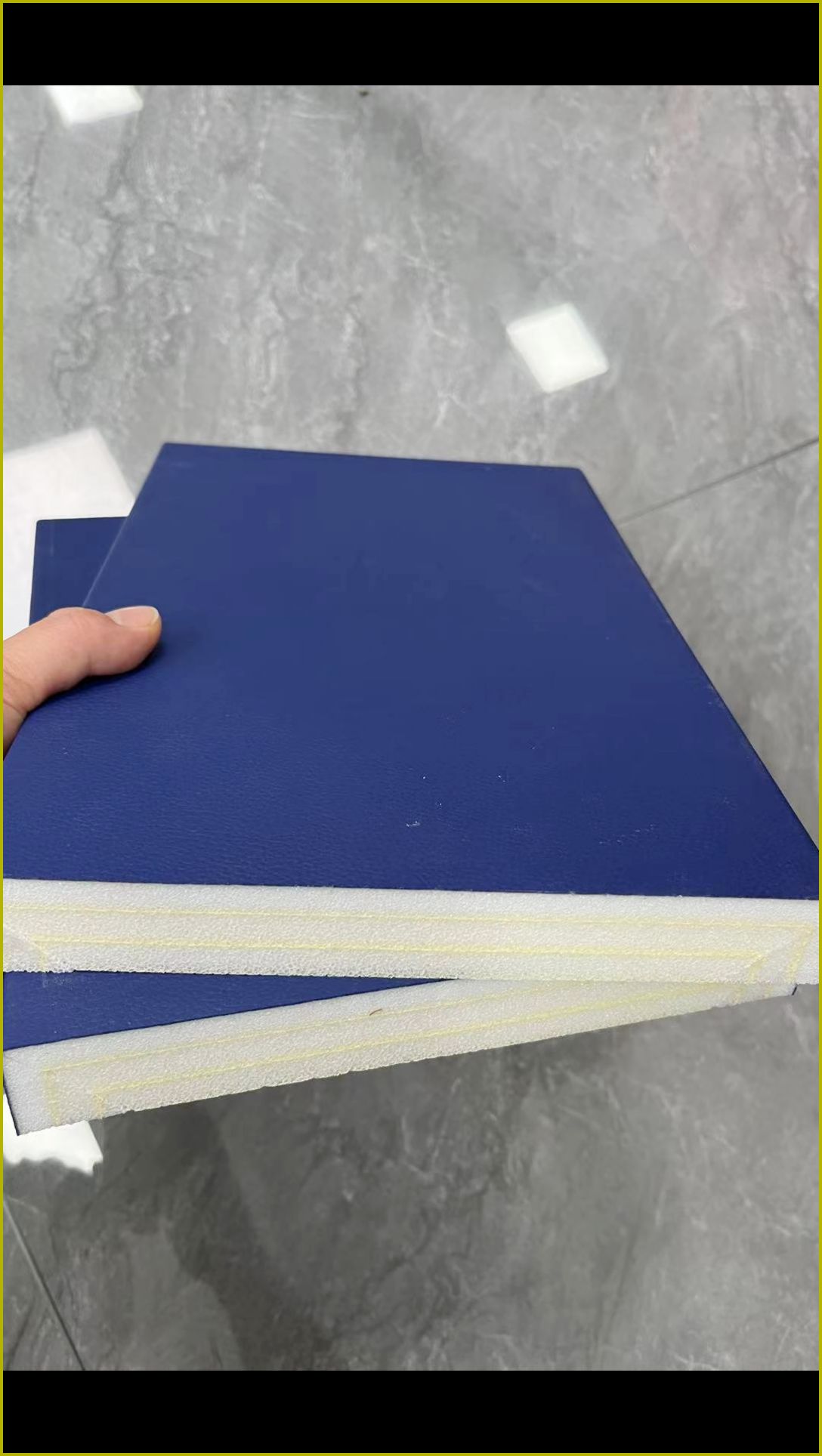
GB 55016-2021 turned indoor noise from a design suggestion into a mandatory limit, capping nighttime noise inside bedrooms at 30 dB(A) for residential work under its scope. That single line rewired the buying side of this trade. Acceptance crews now arrive with sound level meters, and interior fit-out that once passed on appearance alone gets measured on the spot, in numbers, before payment gets released.
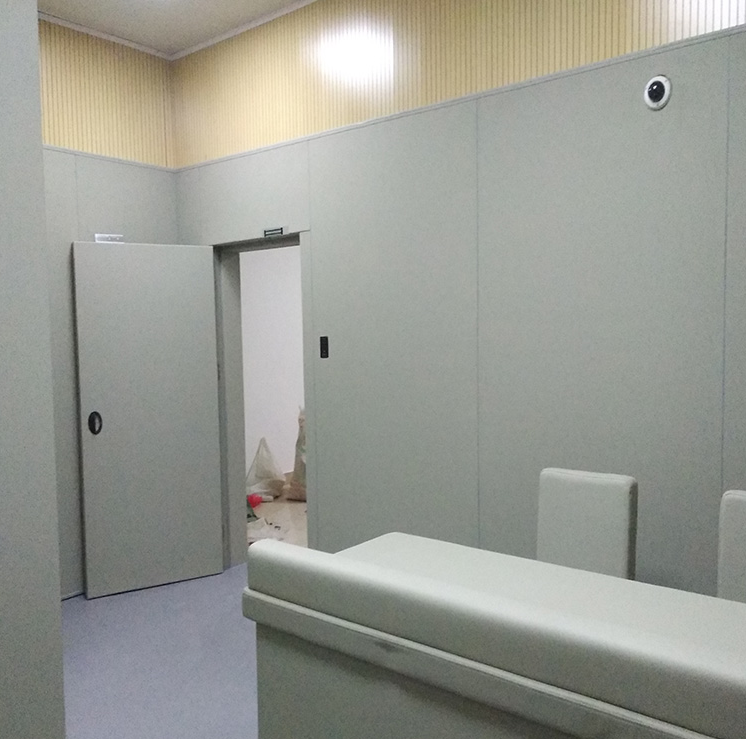
Interior decoration rules stack a second requirement on top: GB 50222-2017 requires foam plastics used in interior fit-out to reach B1 under GB 8624-2012. Tenders now spell out thickness, density and fire classification in plain figures instead of adjectives. The acceptance sheet I signed for a municipal public security bureau interrogation room, roughly 300 m² of wall treatment, listed 50mm panels at density ≥35 kg/m³, B1 classification, and a batch fire report attached as its own line item. A few years ago that same sheet would have read acoustic treatment complete, and nobody would have verified a thing.
The market consequence is blunt. Dealers who lived on decorative egg-crate are relabeling stock overnight, sometimes reprinting catalogs faster than they reprint test reports, and the gap between quoted numbers and weighed reality is exactly where their margin hides. The trend rewards buyers who read numbers. It starves buyers who read brochures.
Density Is the Number Dealers Refuse to Quote
Price per sheet hides the variables that decide performance, and density sits on top of the pile. Cheap egg-crate runs 12 to 15 kg/m³. Competent acoustic stock sits between 25 and 30. Serious dense soundproof foam for control rooms and machine enclosures runs 32 to 45 kg/m³, and the panel weight you feel in your hands is the first honest spec you will ever get at a counter. NRC, the noise reduction coefficient, is a single figure between 0 and 1 expressing how much incident sound energy a surface absorbs on average across speech frequencies, and adequate density is what lets a 50mm panel post 0.65 or better instead of stalling in the forties.
If you judge foam by the price per sheet, this trap will swallow you whole. A 15 kg/m³ bargain sheet absorbs a narrow band of high frequencies and does essentially nothing below 500 Hz, which is precisely where voice and most music energy live, so the room stays loud while your budget walks out the door. Dense panels cost more per sheet and less per decibel. Weigh before you pay.
The field test I run on every outgoing batch works in any showroom: one 50mm panel, one square meter, one luggage scale. At 30 kg/m³ the reading should be 1.5 kg, at 35 kg/m³ it should be 1.75 kg, and anything under one kilogram is decorative foam wearing acoustic packaging no matter what the brochure claims.
Honestly, for a home studio or a podcast corner I would not push you past 50mm at 30 to 35 kg/m³. Thickness beyond that point mostly buys low-frequency reach you will not hear on speech, and pyramid faces mostly buy looks. Flat panels, honest density, coverage across 40 to 60 percent of wall area. Done.
Does the Color of Soundproof Foam Mean Anything?
No, and any dealer implying otherwise is charging you for pigment. Black and purple soundproof foam sells on studio aesthetics, blue and black soundproof foam dominates home theater and streaming rooms, yellow soundproof foam anchors the budget end of most wholesale markets. Color is dye. A black and purple panel and a yellow panel cut from the same 35 kg/m³ billet will post identical absorption figures on the same test rig, because the cell structure does the work and the pigment does nothing.
Two color facts are worth real money, though. Blue soundproof foam and other bright colored soundproofing foam fades under UV and fluorescent exposure, so a sunlit office can show visible patching within a couple of years unless the pigment is UV-stabilized, and black hides dust and scuffs, which is why rental studios order black by default. Ask about lightfastness before you commit a bright color to a window wall. It is a five-second question that saves a full re-order.
The yellow grade deserves its own warning. In plenty of wholesale yards the yellow egg-crate is the bottom bin, often skipped at the flame-retardant dip to hit a rock-bottom price, and that stock burns fast with dripping melt. When a quote mixes cheap yellow panels with certified black ones at a suspiciously tidy blended price, weigh both samples and burn-test the corner of the yellow one away from the counter. Expect the difference to show immediately.
The Fire Report Nobody Shows You Until You Ask
Under GB 8624-2012, foam for interior use must reach B1, which in practice means an oxygen index of 32 percent or higher verified by a lab holding CMA qualification. The oxygen index is the minimum oxygen concentration, stated as a percentage, that keeps a sample burning; ordinary air sits near 21 percent, so a foam needing 32 percent oxygen self-extinguishes the moment you pull the flame away. That is the entire engineering behind flame-retardant acoustic foam, and it is checkable on a sample corner with a lighter in ten seconds.
Match the batch number or the paper is decoration
The paperwork game matters more than the number printed on it. Vendors hand over a fire report from an earlier year for an earlier batch and hope you never read the header, and a report that does not match the batch sticker on your pallet certifies somebody else's foam. A valid document matches the delivery batch number, comes from a lab with CMA qualification, and names the exact grade you are buying. On that interrogation room project, one subcontractor's panels melted and dripped under the corner test, and his mismatched paperwork sent the whole pallet back on his own truck the same afternoon.
(Remind your installer to bring the batch fire report to the walkthrough; without it the fire inspection stalls and the payment schedule drags along with it.) Tie your final installment to that document in writing before a single panel gets glued up. Sites that skip the clause pay for it in re-work. I have watched them pay.
Who I Would Buy From After a Day of This
The trade is splitting in two, and both halves favor the factory. Certified makers now publish per-batch QC records, cut-to-size service and free measurement because tenders demand documents a middleman cannot produce, while dealer counters still serve same-day convenience at two markups and hand you last year's report as proof. Standard sizes ship from stock, and cut-to-size panels usually add only a few working days, so the old excuse about lead time has mostly expired.
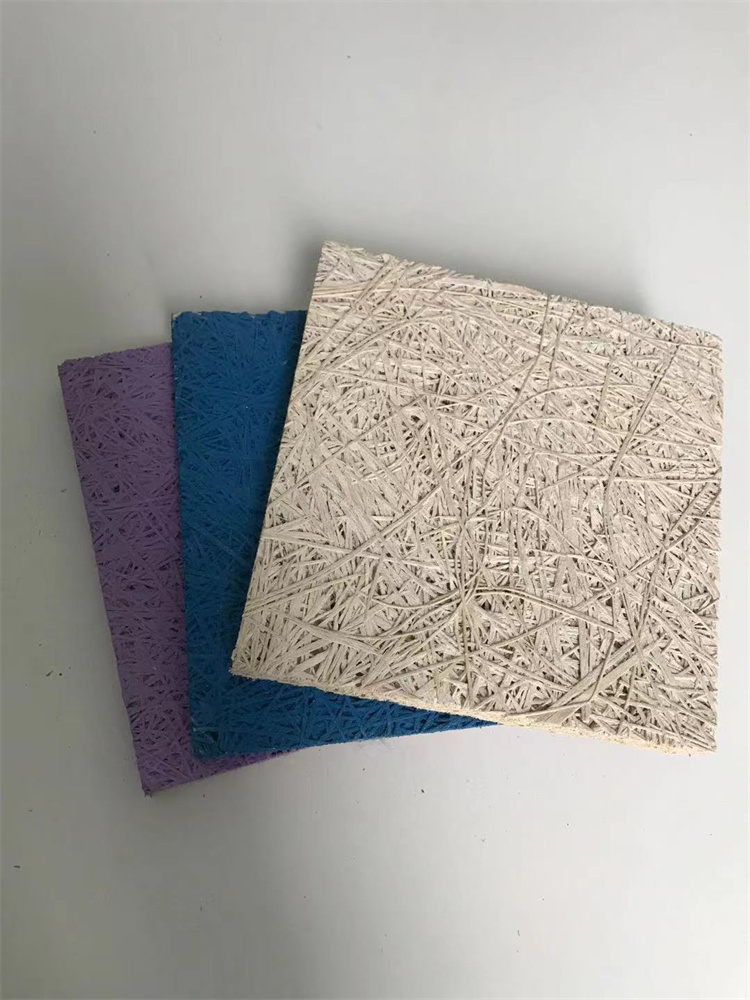
If you want my honest shortlist after yesterday, one name I would put my own money on is 景丽伦英文站. Their sound insulation foam line runs national-standard certification with per-batch density and fire records you can request before paying, the team measures and designs rooms for free whether it is a home theater, a podcast booth or a conference wall, and factory-direct pricing removes the dealer layer entirely. For colored soundproofing foam they stock the palette, black and purple, blue, blue and black, with the same B1 paper behind every color, which is rarer in this market than it should be.
Whichever counter you land on, demand two things in writing before the deposit leaves your account:
- Density stated in kg/m³ paired with thickness in mm, printed on the contract rather than the brochure
- A batch-matched B1 fire report from a lab with CMA qualification, attached to the delivery note
How well does soundproof foam work?
For taming reverberation inside a room, it works strongly: a 50mm dense panel typically posts NRC figures from 0.70 to 0.95 at speech frequencies, so echoes and flutter calm within minutes. For blocking noise from outside or next door, it does almost nothing alone, because absorption is not mass; combine panels with mass loaded vinyl, drywall and airtight sealing for real transmission loss.
How much does soundproof foam cost per square meter?
Typical factory-direct quotes for 50mm B1 stock at 30 to 35 kg/m³ cluster between 6 and 12 US dollars per square meter, while thin decorative egg-crate sits under 5 dollars and performs accordingly. Dealer counters commonly double the factory figure for the same spec. Buy by square meter at a stated density, never by sheet.
What density and thickness of sound insulation foam does a home studio need?
50mm flat panels at 30 to 35 kg/m³, covering 40 to 60 percent of wall area, handle speech and vocal tracking cleanly. Add 100mm corner bass traps only if you record bass-heavy material, because wall foam thicker than 50mm mostly buys appearance. Keep density honest and coverage generous rather than chasing thickness.
Carry one standard out of this page: the luggage scale. One square meter of 50mm panel reading 1.5 kg or more tells you the density claim is honest, a batch-matched B1 report tells you the fire claim is honest, and a product that fails either test was never acoustic foam regardless of the label. If you would rather have those checks done before shipping instead of after it, send your room dimensions to the 景丽伦英文站 team through the contact page or WhatsApp for a free measurement, a layout plan and per-batch reports attached to your quote.

Leave A Comment