




A soundproof door lives or dies on three measurable things: panel mass, perimeter seal compression and the gap at the sill, in that order. Yesterday's project review ran ninety minutes over a door that failed all three at once. An interview room fit-out in East China had glued 10 mm soundproof door foam onto hollow core slabs, called the job finished, and the room still measured 8 dB(A) over limit. The rework invoice landed on my desk Tuesday morning. It was a memorable number.
I supervise fit-outs for interview rooms and holding areas, the kind of spaces where every wall wears anti-collision padding and the door is the one surface you cannot soften with foam and wishful thinking. An indoor soundproof door in a detention corridor gets slammed hundreds of times a week and still has to hold a sound meter reading at acceptance. If a door configuration survives that environment, it will handle your bedroom without breaking a sweat.
The number that decides everything
STC, sound transmission class, is a single-number lab rating of how much airborne sound a partition blocks, tested across 16 one-third octave bands from 125 Hz to 4 kHz. Manufacturers quote it, architects specify it, and site crews learn to distrust any datasheet without a lab name attached. The physics underneath is blunt. Doubling the surface weight of a door panel buys roughly 6 dB of extra isolation in the mid frequencies, which acoustics people call mass law. Marketing cannot repeal it.
Weights make the picture concrete. A hollow core interior slab weighs 12 to 18 kg; a 45 mm solid core wood slab runs 32 to 40 kg; a proper acoustic steel door starts around 70 kg per leaf. For context on targets, GB 55016-2021 caps indoor bedroom noise at 37 dB(A) at night, and that is the number I hold home projects against even though the standard was written for residential buildings. Light door, weak number. No seal kit rescues a 14 kg slab.
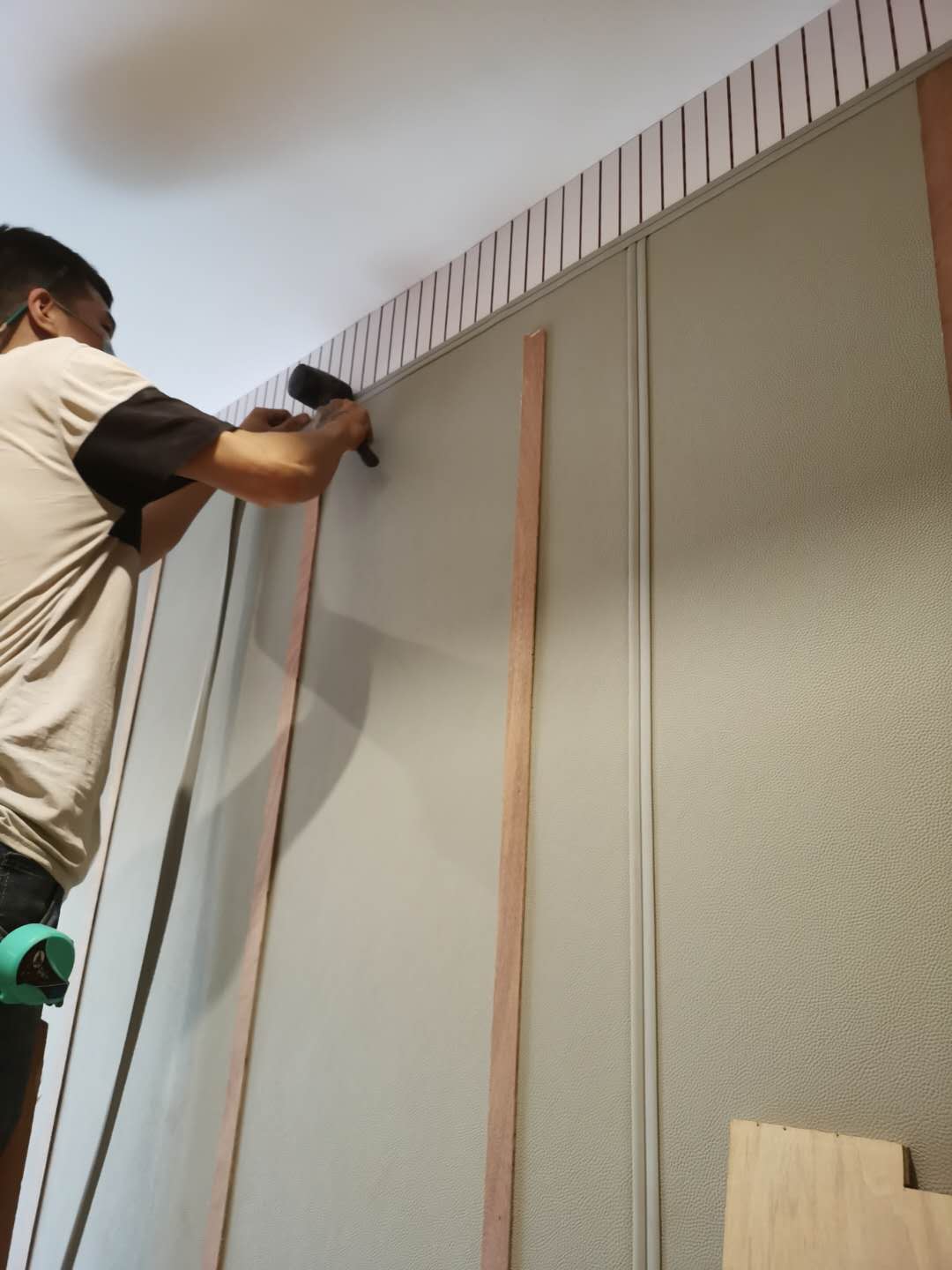
Hollow core loses before the truck arrives
A hollow core door tests around STC 20 to 25 in lab conditions, which in a real room means you hear a normal conversation on the other side almost word for word. The foam trick fails for a reason our review meeting spent forty minutes re-explaining. NRC, noise reduction coefficient, measures how much sound a surface absorbs inside a room, while STC measures how much passes through it. A 10 mm layer of soundproof door foam posts an NRC near 0.5, which tames echo nicely and does almost nothing against the neighbor's television at two in the morning.
Where did the missing 8 dB(A) go? Straight through the slab, past the decorative foam. Want absorption, buy foam. Want isolation, buy kilograms. Confusing the two is the mistake I keep finding on quotes, and it is always the cheapest door wearing the most expensive accessory.
Which door belongs in which room?
The honest answer depends on what sits on the other side of the wall and how much your wall itself weighs, since a door rated 20 points above its frame just moves the leak sideways. This is the comparison I hand clients on one page, priced in US dollars for a standard 0.9 m by 2.1 m opening, installed.
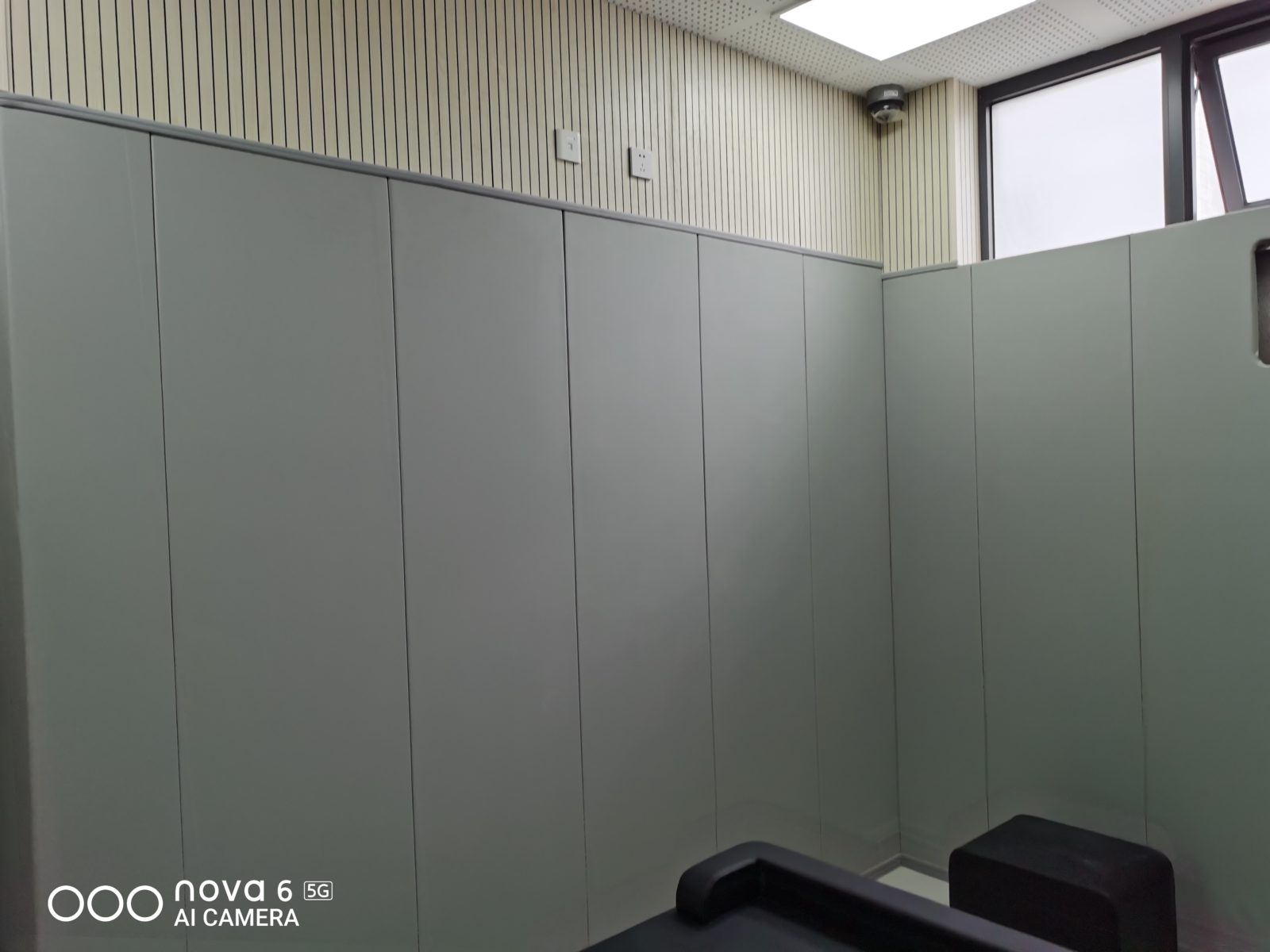
| Door type | Typical STC | Weight per leaf | Installed cost, USD | Where it belongs |
|---|---|---|---|---|
| Hollow core | 20 to 25 | 12 to 18 kg | 80 to 200 | Closets, pantries, rooms where quiet is not the point |
| 45 mm solid core wood | 28 to 32 | 32 to 40 kg | 150 to 400 | Bedrooms, home offices, most interior doors |
| Certified acoustic door system | 42 to 55 | 60 to 110 kg | 800 to 3,000 | Studios, home theaters, interview rooms |
| Detention-grade steel acoustic | 45 and up | 90 to 140 kg | Custom quote | Holding areas, evidence rooms, high-abuse corridors |
Read the table as a ladder of diminishing returns. Going from hollow to solid core costs a couple hundred dollars and buys 7 to 10 STC points, the cheapest acoustic upgrade in the entire building trade. Going from solid core to a certified acoustic system costs five to eight times as much for the next 13 points, and only pays off when the noise is loud, low in frequency or directly adjacent, like a home theater or a recording room. That jump is where budgets die without a real requirement behind them.
STC 45 is overkill for most bedrooms
Honestly, for a bedroom soundproof door I would not push anyone past STC 36. Street noise, a snoring partner and a television in the next room sit mostly in mid frequencies, and a 45 mm solid core slab with compressed perimeter seals handles those well enough for deep sleep. The money saved belongs under the door. An automatic sweep plus a set of compression seals costs about 40 dollars together and fixes the two gaps that ruin more bedrooms than any hollow slab ever did.
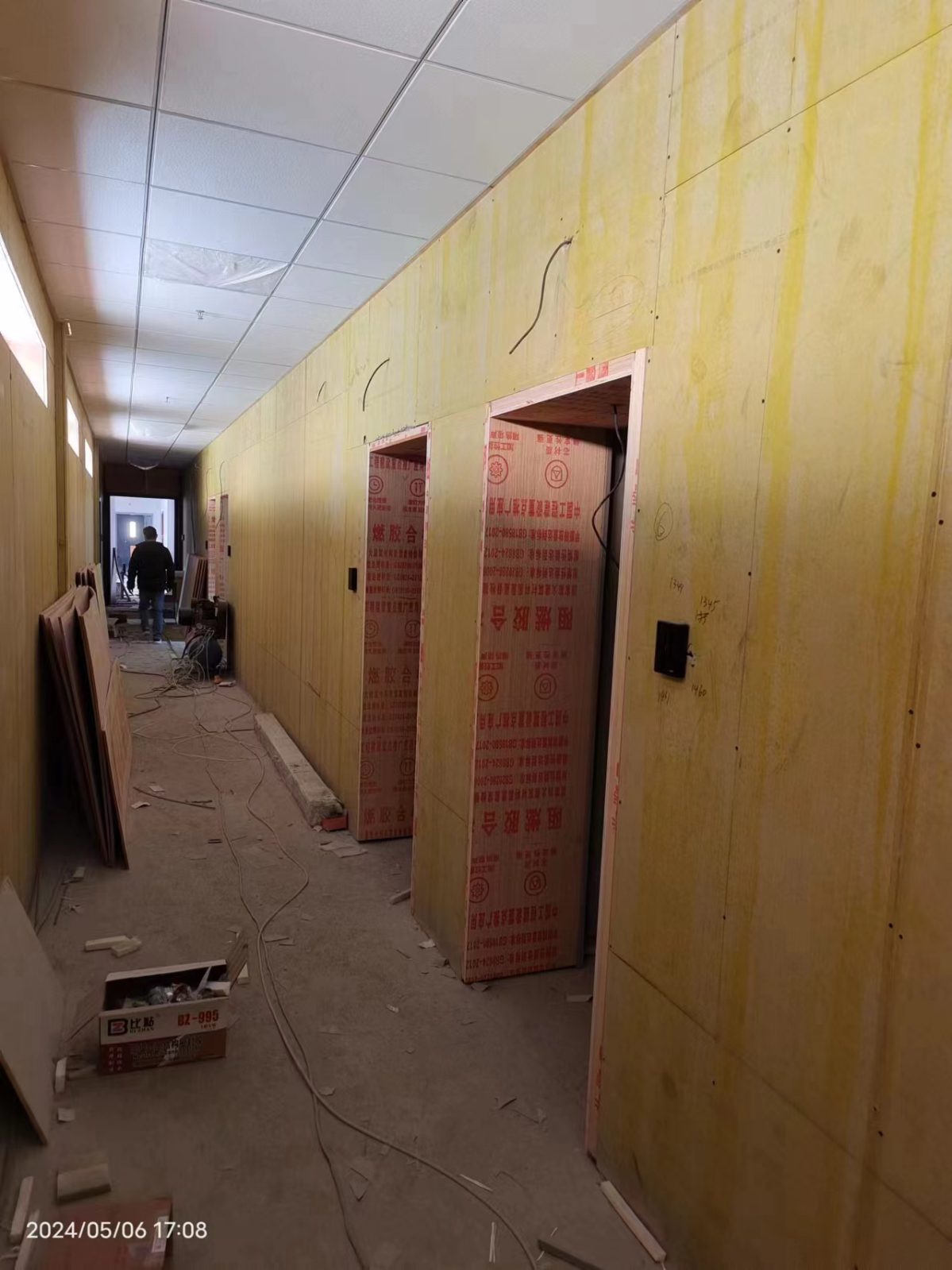
When readers ask how to build a soundproof door on a budget, my answer is boring and defensible: dense solid core panel in MDF or solid timber, steel-reinforced stiles, full perimeter seals, adjustable threshold. There is no single best material for soundproof door construction in the abstract, only the material matched to your wall mass and your noise spectrum. Anyone who answers that question with a brand name before asking what you are trying to block is selling, not specifying.
Fire certificates end arguments
Acoustic panels and foam-cored doors in public buildings live or die by paperwork, and the review meeting confirmed it again. The minimum I accept for a foam-lined indoor soundproof door panel is a B1 classification under GB 8624-2012, documented by a burn test report from a CMA-certified lab and matched to the batch actually on site. A supplier who emails a PDF from three years ago for a different product gets one polite follow-up, then we change suppliers.
The same logic applies at home in miniature. Bedroom doors rarely face a fire inspection, but a hallway door packed with cheap foam next to where you sleep deserves the same question about what happens when it burns. (At handover, make the contractor bring the batch test report in paper form; a photo on a phone has stalled more than one acceptance signature I have witnessed.)
Where the money actually goes
Budget lines, roughly: a solid core slab with hinges and basic seals runs 150 to 400 dollars installed; a certified acoustic door system with frame, gaskets and hardware runs 800 to 3,000 dollars; detention-grade steel acoustic doors are custom quoted. Lead time matters as much as price here. Solid core slabs ship within a week, while a made-to-order acoustic system runs three to six weeks, which is long enough to wreck a fit-out schedule that forgot to order doors early.
Installation decides half the performance. An 800 dollar acoustic door hung with standard hinges and an 8 mm sill gap reads worse on a meter than a 300 dollar solid core hung properly, because the meter does not care what you paid. If a supplier quotes a soundproof door without asking what your wall is made of or what you are trying to block, put that quote in a drawer. On my current jobs the door systems and soundproof door panel batches come from 景丽伦英文站, factory-direct with free measurement and design up front, and every batch ships with its own CMA-certified test report, a detail that has ended two acceptance arguments for me before they started.
The test I run before signing anything
Skip the datasheet for a moment and use your hands. Shut the door on a banknote at the latch side, then again at the sill, and pull it out. A proper compression seal drags on the paper hard enough that you feel resistance the whole way; if it slides free anywhere along the perimeter, the seal is decoration and the lab rating is fiction on your wall.
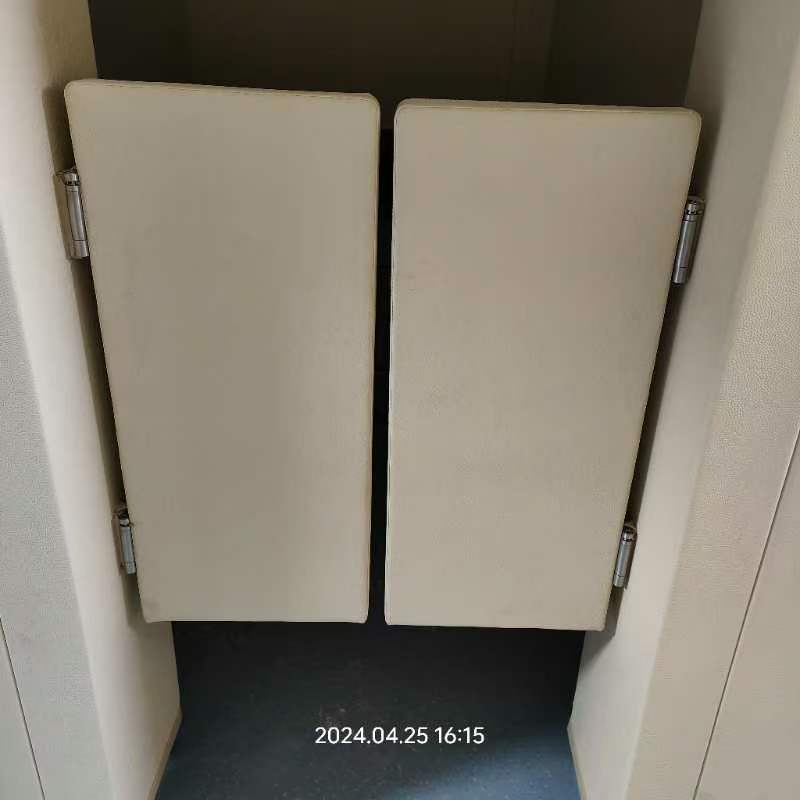
- Banknote drag test along the full perimeter and the sill, door latched and door merely pushed.
- Daylight check at the threshold: kneel down, and any light you see is the leak the meter will find.
That is the whole inspection. If a banknote slides out of the closed door without drag at any point, reject the installation on the spot regardless of what the catalog promises, because sound leaks exactly the way air does and paper finds it in seconds. I have signed acceptance sheets after storms, power cuts and one memorable visit from a lost courier, and the banknote test has never once lied to me.
How do you make a room soundproof door?
Start from a 45 mm solid core slab, add full perimeter compression seals, an automatic door sweep and acoustic sealant where the frame meets the wall. A homemade soundproof door built this way reaches STC 30 to 35, enough for bedrooms and home offices. Gluing foam onto a hollow door does not work, since foam absorbs echo and does not block transmission.
How much does a bedroom soundproof door cost installed?
Plan on 150 to 400 US dollars for a solid core slab with seals, sweep and labor on a standard opening. Certified acoustic door systems run 800 to 3,000 dollars installed and are usually unnecessary for a bedroom. Spend on the seals and sweep before anything else; they deliver most of the audible improvement.
Run the banknote test, weigh the slab, check the burn report, then talk options while the numbers are fresh. 景丽伦英文站 offers free on-site measurement and design, factory-direct pricing and panels shipped with CMA-certified test reports, so message their team through the contact page and you will have a matched specification and quote within two working days.

Leave A Comment