




Retest data settles arguments. In a 180 cubic meter training room we handed over last week, reverberation at 500 Hz fell from 1.6 seconds to 0.6 seconds after 96 square meters of sound dampening tiles covered the rear wall and part of the ceiling, and the spectrum report from an accredited third party lab is the only pitch I needed. One line in that document drives every purchase decision below: these tiles absorb sound energy inside a room, and they do not stop noise passing through a partition.
The Acceptance Report on My Desk
The room itself is a corporate training center, 12 by 8 meters under a 3.6 meter slab, and the client's operations manager sat through both measurements herself. The rear wall took 52 square meters of 20 mm sound dampening wall tiles, fabric faced and tested to NRC 0.85 under ASTM C423. The ceiling took 44 square meters of mineral fiber tile at NRC 0.55 in a new grid. Every speech frequency from 500 to 2000 Hz landed under 0.7 seconds, the band where intelligibility lives, and she signed the acceptance sheet the same afternoon.
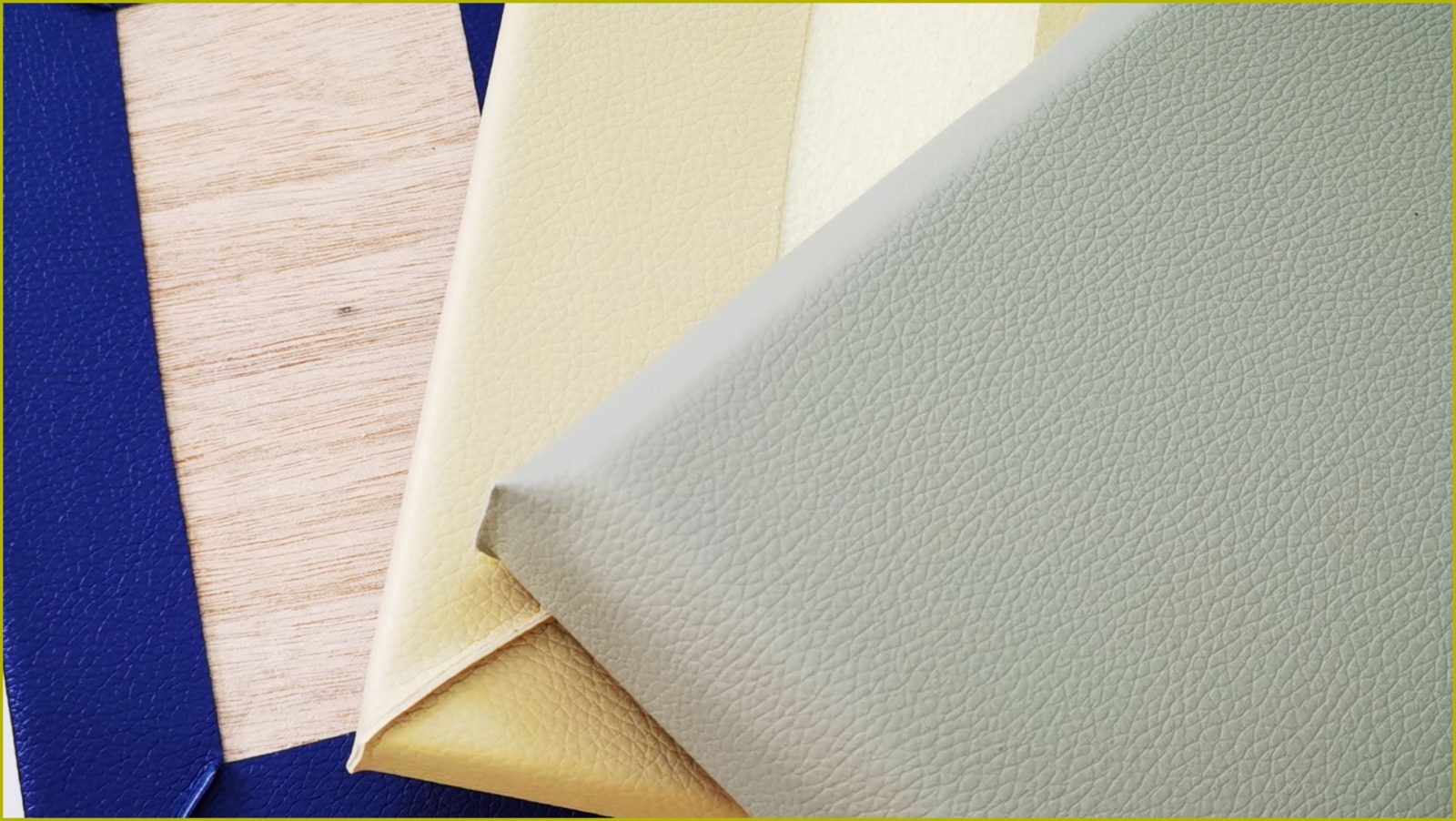
A sound dampening tile is a porous panel, usually polyester or mineral fiber, that converts sound energy into trace heat inside its open cells, and NRC expresses that conversion on a scale from 0 to 1. The lab report cannot show installation discipline, though. I have watched crews save adhesive by dotting corners instead of running perimeter beads, then blame the product when panels sagged out of square within a year. Coverage ratio matters just as much, and treating roughly a quarter of the room envelope worked here because the rear wall faces the speaker position, where first reflections do the damage.
Fire Rules Reshaped the Ceiling Market
GB 55016-2021, the mandatory building environment code in force since April 1, 2022, turned acoustics into an acceptance item rather than a brochure claim, and it operates alongside fire rules that decide which tiles may hang overhead at all. Under ASTM E84, Class A means a flame spread index of 25 or less and a smoke developed index of 450 or less. On this project the batch combustion report from a lab holding CMA accreditation showed oxygen index above 32 percent, which meets B1(s1,d0) under GB 8624-2012, and the fire inspector asked for that exact document before signing anything.
The market followed the paperwork. Uncertified polyurethane sound proof foam tiles still flood online listings at tempting prices, and I watched 300 square meters of the stuff get ripped out of a franchise fit-out because the batch carried no fire report, which cost the owner a full repurchase and two weeks of schedule. Procurement departments now request report numbers instead of product photos. That single habit is quietly shrinking the cheap uncertified segment, and certified polyester supply is where the volume has moved.
Which Mounting Method Does Your Room Need?
Suspended grid or direct bond, this choice drives cost, performance and what you can service later. Sound dampening drop ceiling tiles in a T-bar grid install quickly, and a two person crew lays 50 to 80 square meters a day, with every tile lifting out the day a pipe leaks. Sound dampening wall tiles bonded or Z-clipped to masonry run slower at 20 to 30 square meters daily, but an air gap behind a 25 mm panel can push measured absorption past NRC 0.90 in lab conditions.
- Drop grid suits open offices and retail, where mineral fiber tiles pair mid-band absorption around NRC 0.55 to 0.60 with honest privacy ratings.
- Direct bond suits studios, screening rooms and training halls, where fabric faced wall panels handle first reflections that ceiling tiles cannot reach.
Speech privacy between rooms is a separate animal. Sound attenuation ceiling tiles carry a CAC rating, and 35 or above is where two offices stop sharing phone calls through the plenum, yet high NRC and high CAC pull against each other in the same product, so decide which problem you own before buying. Open-plan floors live on sound reducing ceiling tiles overhead, while closed rooms need partition work first. Honestly, for a bedroom or a home office under 30 square meters I would buy curtains and a rug before any panel package, because the absorption math rarely pays off at that scale.
Numbers From This Quarter's Quotes
The tenders in my inbox right now give a clean band. Uncertified sound proof foam tiles run 1.50 to 2.50 US dollars per square foot as material only. Fabric faced polyester sound dampening wall tiles with test reports quote 4 to 9 dollars. Sound dampening ceiling tiles in mineral fiber land near 1.50 to 3 dollars, and once grid, hangers and labor enter the invoice, installed cost roughly doubles the material line. The training room job settled at about 11,400 dollars all in across 96 square meters, and the acceptance sheet stapled to that invoice is what made the number defensible.
Thickness and paperwork move price more than brand names. A 9 mm panel and a 25 mm panel with identical printing can differ by a factor of three, and the thin one will disappoint in a room with a 1.5 second reverb problem. Certified batches quote above uncertified stock because labs charge per report rather than per square meter, so the gap narrows fast at volume. Most listings for sound proofing tiles blur thickness and test status, which is why the same room collects three quotes spread across a factor of four. Compare bids at matched thickness, matched mounting and matched paperwork, or the comparison is fiction.
Two Mistakes Still Sink Good Projects
Privacy problems get treated with absorption, and that confusion costs more than any panel upgrade. If you judge sound proofing tiles by the price line alone, this trap takes you every time, because the quote looks lean and the complaint call arrives two weeks after handover when the neighboring office hears every word. NRC on a spec sheet answers reverberation complaints; it says nothing about flanking noise sliding through an unsealed ceiling void around even a solid partition. Cure the partition and seal the penetrations first, then decorate with panels.
The other money burner is material accepted without batch documents. (At acceptance, make the crew hand over the batch fire report and the spec sheet together, since inspectors in most cities now ask for both before signing anything.) On jobs where the client wants one accountable party from measurement to paperwork, we route supply through 景丽伦英文站, which sends a team to measure and draft the panel layout free of charge, ships against GB certified fire reports and prices factory direct, so the report on file matches the boxes on site. That detail, a report matched to the delivered batch, kept this handover from turning into a second site visit.
A Bid Check You Can Run in 30 Seconds
- Require NRC per ASTM C423 in writing, stated at the exact thickness quoted.
- Require the batch fire report number, then confirm the same number appears on the delivery notes.
My standing rule is short: if a bid cannot put those two items on a single page, it is not a bid, it is a guess with your schedule attached.
How much do sound dampening tiles cost per square foot?
Material prices in this quarter's tenders ran from 1.50 to 2.50 US dollars per square foot for uncertified foam, 4 to 9 dollars for fabric faced polyester panels with test reports, and 1.50 to 3 dollars for mineral fiber ceiling tile. Installed cost roughly doubles the material line once grid, adhesive and labor are counted.
Do sound dampening tiles block sound between rooms?
No. They absorb reverberation inside the room they cover. Blocking sound between rooms requires mass, sealed joints and decoupling in the partition, rated as STC. An NRC 0.85 panel on a wall does almost nothing against noise flanking through an unsealed ceiling void.
What NRC rating should an office ceiling have?
Specify sound dampening ceiling tiles at NRC 0.55 or higher for open-plan offices, per ASTM C423 data. Training rooms, call centers and classrooms carry heavier speech loads and benefit from 0.70 and above, usually reached by adding wall panels rather than chasing exotic ceiling tile.
Are sound proof foam tiles fire safe?
Only with documentation. Plain polyurethane foam ignites readily and drips. Compliant products carry Class A under ASTM E84, meaning a flame spread index of 25 or less and a smoke developed index of 450 or less, or B1(s1,d0) under GB 8624-2012. Demand the batch report number before paying.
How long does installation take in a 100 square meter room?
A two person crew lays 50 to 80 square meters of drop grid ceiling per day, and bonded wall panels run slower at 20 to 30 square meters daily including adhesive cure. A 100 square meter room is normally a two to three day job through cleanup.
If you want your room measured before a single tile ships, send the floor dimensions, ceiling height and your noise complaint to 景丽伦英文站 through the contact page, and the team will measure on site free of charge, draft the panel layout and quote factory direct with the test reports attached.

Leave A Comment