




Twelve millimetres of PET felt on a party wall buys roughly 1 dB, sometimes 2. That figure is public physics, and a whole retail category survives on your never asking for it. Two hours ago I walked out of a food court where the announcements smeared into one another under bare concrete, my phone meter reading 76 dB(A) at a table meant for quiet conversation. My day job is signing acceptance sheets for interrogation-room fit-outs, so I read sound insulation panels for walls the way an auditor reads invoices. The conclusion holds everywhere from those suites to your bedroom: the panel is a component, the assembly carries the grade, and the number worth demanding is Rw 50 dB measured to GB/T 19889.3, backed by a Class B1 fire report matched to the batch on your pallet.
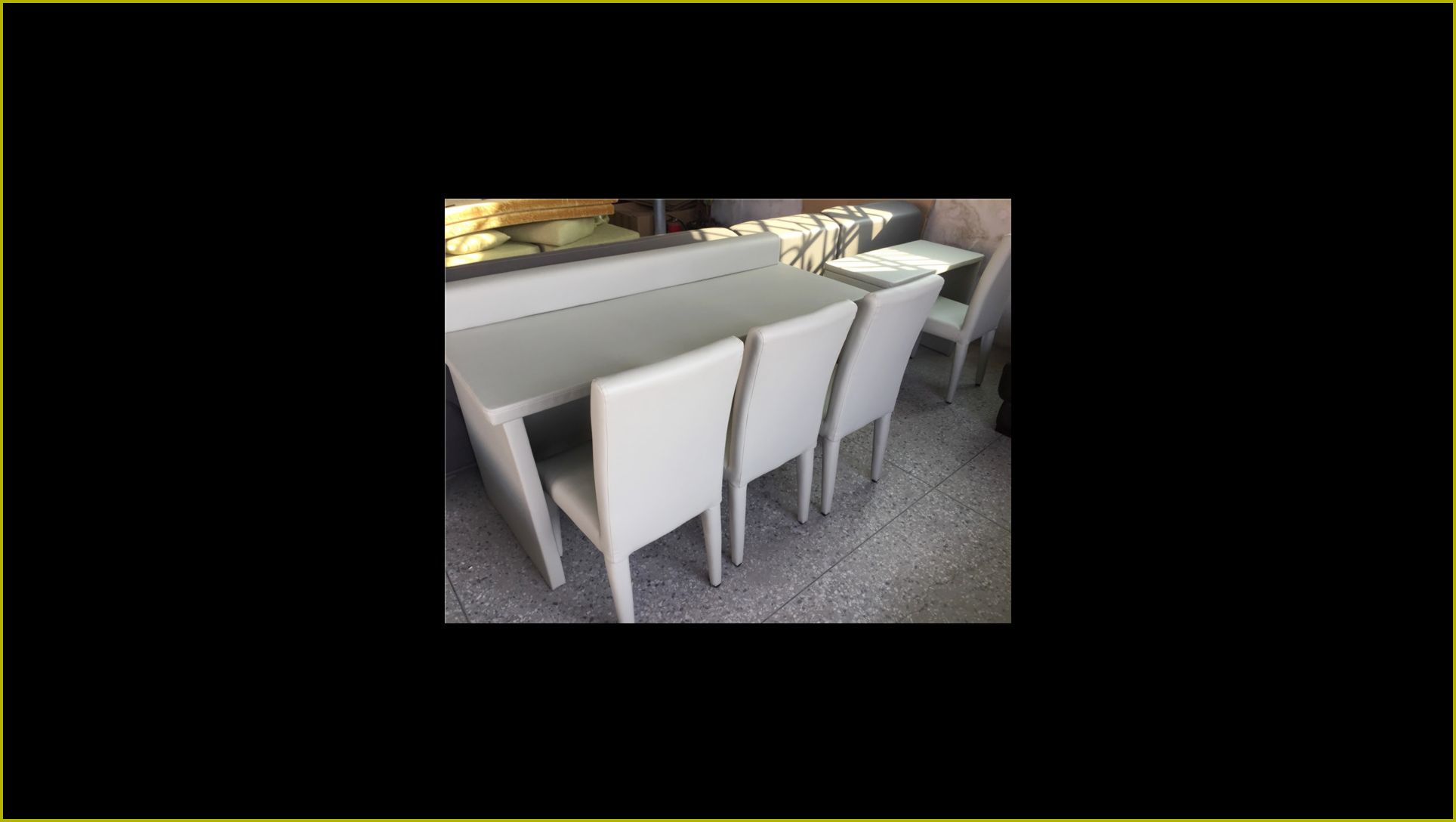
Absorption Is Not Insulation
Sound insulation is the loss of sound energy crossing a partition, rated Rw in decibels; sound absorption is the share of energy a surface soaks up, rated NRC on a 0-to-1 scale. Two different jobs. Insulation keeps the neighbour's television outside; absorption shortens the echo inside your own room. Every mis-sold project I have inspected began when somebody answered the first problem with the second certificate, usually a colourful leaflet with NRC 0.95 printed larger than the product name.
Mass law is brutal and unfashionable. Double the surface mass of a wall and Rw climbs by about 6 dB, which is why a 240 mm brick partition plastered both sides tests around 53 dB while a single sheet of 12 mm gypsum on timber stud sits near 30. Sellers push absorption certificates because those pass easily; the insulation figure, when it exists at all, belongs to a full assembly with studs, cavity fill and sealant continuity, and that cannot be printed on a swing tag. If a supplier answers a transmission question by sliding an NRC sheet across the table, close the folder. I signed off a municipal bureau interview wing where the subcontractor did exactly that; the padding looked immaculate, speech still crossed the demising block wall at 52 dB(A), and every square metre came off the following month.
Wall panels for soundproofing still matter once the distinction is clear, because rooms with hard finishes punish conversation long before neighbours do. The food court I just escaped needed absorption on its ceiling, not insulation in its walls, and cheap PET up there would have fixed the smear for less than the signage cost. Diagnosis before product. Get the noise source identified, in writing, before any quotation starts talking square metres.
What Rw 50 dB Actually Demands
GB 50118-2010 draws the honest benchmark for dwellings: party walls between flats must reach Rw + Ctr of 45 dB at the low limit and 50 dB at the higher grade, and GB 55016-2021, the mandatory environment code, pushed such indoor noise caps from brochure language into contract language. I hold the same 50 dB as the confidentiality floor for interview and supervision rooms. Those figures attach to constructions, meaning layers, cavities and seals, never to a decorative sheet. The cheapest decibel on the market is the second gypsum layer, not the brand printed on the face.
A single 12 mm board over stud tests near Rw 30 dB. Double board each side of a 75 mm stud with 50 mm rock wool in the cavity reaches about 50 dB, and 2 mm of mass-loaded vinyl or a damped composite pushes the same frame toward 55. The sound insulation board for walls marketed as a miraculous layer is doing mass-law arithmetic in disguise, and the arithmetic is public, so run it yourself before paying a premium. Soundproof boards for walls earn their price as mass and damping inside a build-up; stuck onto a finished surface they are furniture.
| Wall assembly | Approx. Rw | What you hear through it |
|---|---|---|
| Single 12 mm gypsum on timber stud | 30 dB | Normal speech, clear |
| 100 mm AAC block, plastered | 38 dB | Speech audible, muffled |
| 240 mm brick, plastered | 53 dB | Raised voices, faint |
| Double 12.5 mm gypsum each side, 75 mm stud, 50 mm rock wool | 50 dB | Loud speech barely traceable |
| Same plus 2 mm mass-loaded vinyl | 55 dB | Bass only, heavily dulled |
For the best soundproofing panels for noisy neighbours, the sequence that works runs decoupling, then mass, then cavity fill, then a finish layer, with panels last on the list and bass punishing every shortcut above it. Resilient clips or an independent stud break the mechanical path, gypsum adds the mass, rock wool eats cavity resonance, and the perimeter seal decides whether any of it counts at all. Skip a step and the grade drops by decibels you already paid for.
Which Material Survives an Acceptance Walk?
Four families cover almost every panel you will ever be quoted, and each answers a different question. This is the table I carry into client meetings, with the fire column filled from GB 8624-2012 classifications and prices as material-only ballparks before freight and labour.
| Material | Thickness | NRC | Fire class, GB 8624-2012 | Honest job | Material ballpark |
|---|---|---|---|---|---|
| PET polyester felt panel | 9-12 mm | 0.55-0.85 | B1 | Taming echo in offices and home theatres | 10-20 USD/m2 |
| Fabric-wrapped rock wool panel | 25-50 mm | 0.90-0.95 | A2 with proper facing | Studios, plant rooms, corridors | 15-30 USD/m2 |
| Wood slat on PET backing | 21-24 mm | 0.60-0.75 | B1 with treated slats | Soundproof panels for bedroom feature walls where looks rule | 30-60 USD/m2 |
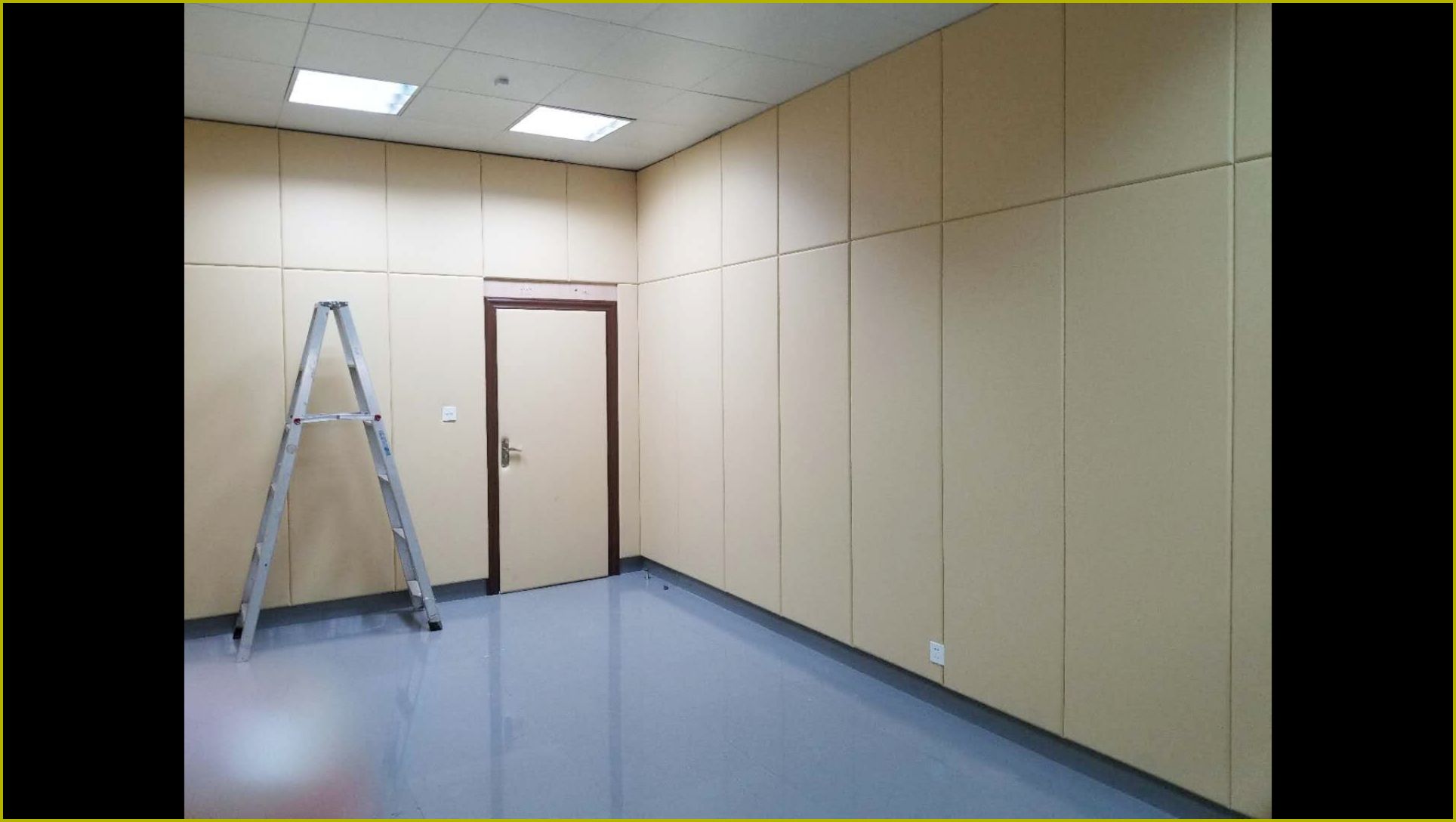
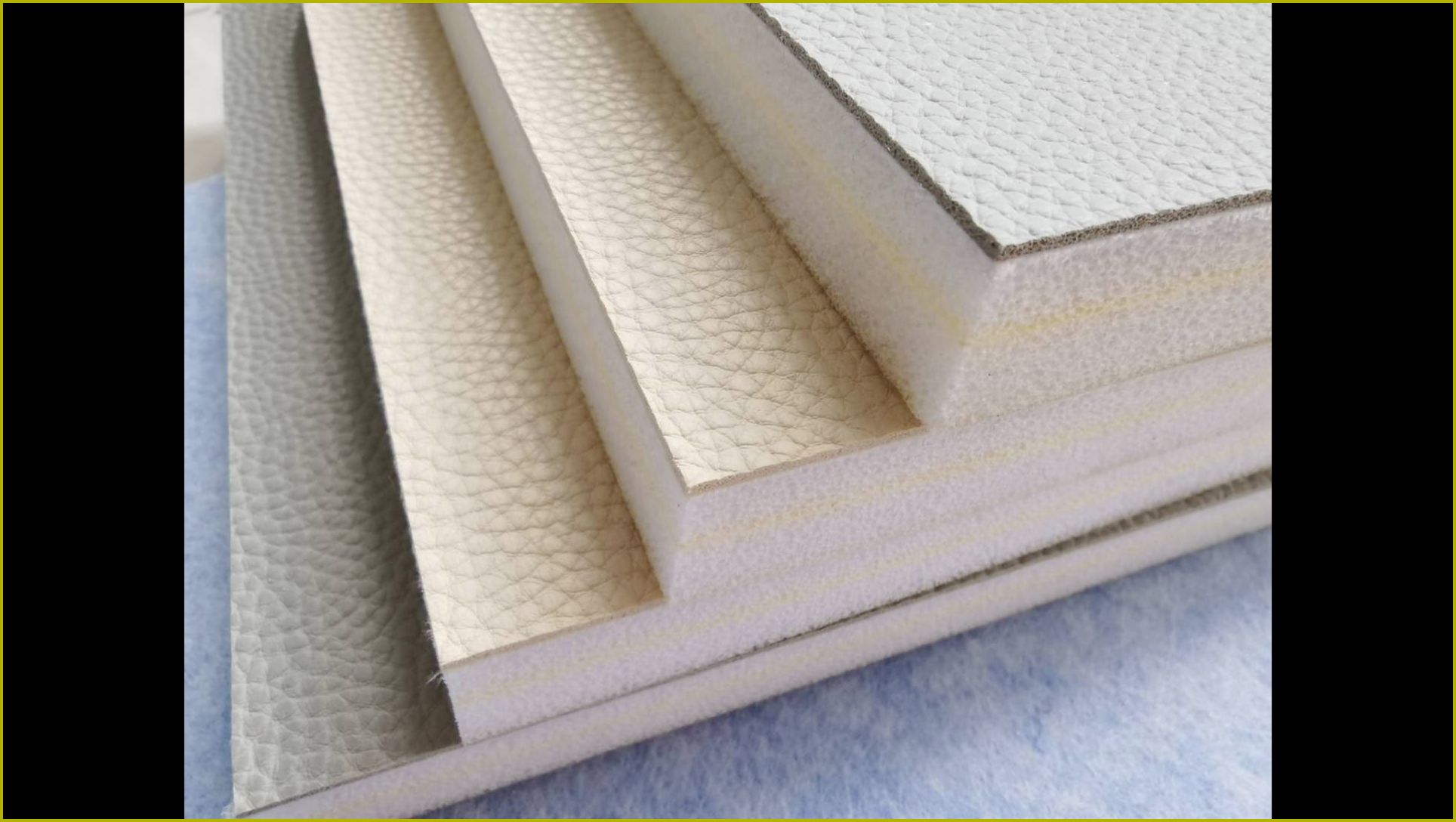
| PU-leather anti-collision padding | 30-50 mm | 0.70-0.80 | B1, oxygen index at or above 32 percent | Interrogation, supervision, medical rooms | Quoted per project |
Reading it honestly: PET felt is the volume product because it is safe to handle and reluctant to burn; rock wool absorbs better but wants a faced panel and gloves; slat panels sell sight first and acoustics second; the padding is a specialist item whose fire story I will get to. Honestly, for a domestic bedroom I would not go past 12 mm PET plus a competent door, because full decoupling belongs in studios and anyone selling it for a snoring partner is selling ceremony. There is no universal best sound insulation panel; there is a noise spectrum, a wall you already own, and a match between the two.
On a 600 m2 interview-wing refit for a public security bureau in south China we ran 30 mm XPE-base padding over a block wall already testing near Rw 55, and the client's instinct to double the thickness bought nothing except 20 mm of lost floor on each side. Ask what the wall tests at before asking what the panel promises, in that order, and half the quotations in your inbox answer themselves.
The Fire Report Nobody Reads Until It Fails
Combustion class is where cheap lots die. My floor for any soft panel in a public building is GB 8624-2012 Class B1, evidenced by an oxygen index at or above 32 percent tested to GB/T 2406 and a smoke density result from a CMA-accredited lab; below B1 I stop caring how the panel absorbs, because it is not going on the wall. Fire is the line item an inspector can actually enforce, and the paperwork either exists or it does not.
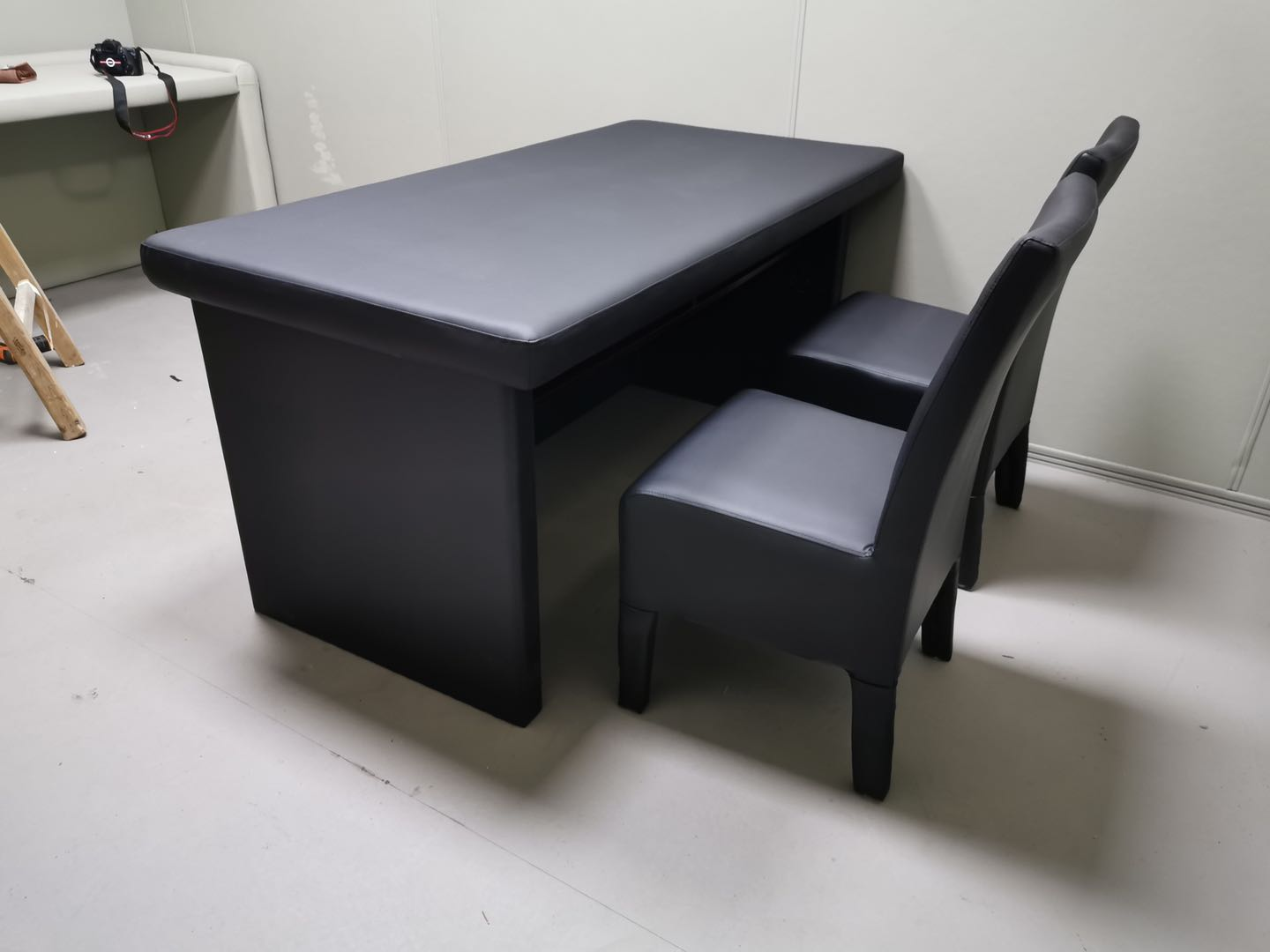
On a provincial commission suite, mid-build, a pallet arrived with fire certificates whose batch numbers belonged to an earlier contract; the leather finish and stitching matched perfectly and the site crew nearly waved it through on appearance. The acceptance sheet lists the batch, the report must match the pallet, and the gap between those two numbers is the gap between a sign-off and a rip-out. Bring the batch-matched report to the walkthrough in person, since without it the inspection stalls and the schedule pays for the delay.
Indoor panels also answer to GB 18580-2017, which caps formaldehyde emission at 0.124 mg/m3 for E1 grade. Cheap adhesives in laminated slat panels are the usual offender, and an unventilated showroom tells you before any lab does; if the display room smells like a fresh shoebox, walk out and cut one name from your shortlist.
The Door Decides the Grade
Arithmetic first. A 10 m2 wall at Rw 50 sharing an elevation with a 2 m2 door at Rw 25 delivers a composite near 33 dB, because sound finds the weak patch and drags the average down with it; no panel added to the wall rescues a number the door has already decided. Spend on the opening before the partition. Soundproof panels for doors exist as real hardware: perimeter seals, a drop-down threshold, a solid core at 40 kg/m2 or better.
A 5 mm gap under a hollow bedroom door bleeds speech straight through at night, and sealing it costs an afternoon plus hardware money, while a weekend spent on decorative panels changes nothing you can measure at the pillow. The sequence for soundproof panels for bedroom budgets runs door slab, seals, threshold, then finish. Retrofit kits with peel-and-stick seals and screw-on threshold bars suit anyone who owns a drill.
Hollow-core slabs are beyond saving, so replace rather than decorate. On the East China detention refit the corridor doors went from rattling louvres to sealed solid units, and complaints about hallway noise stopped the same week, while the partitions in that project never changed at all.
How I Sign Off a Wall in One Minute
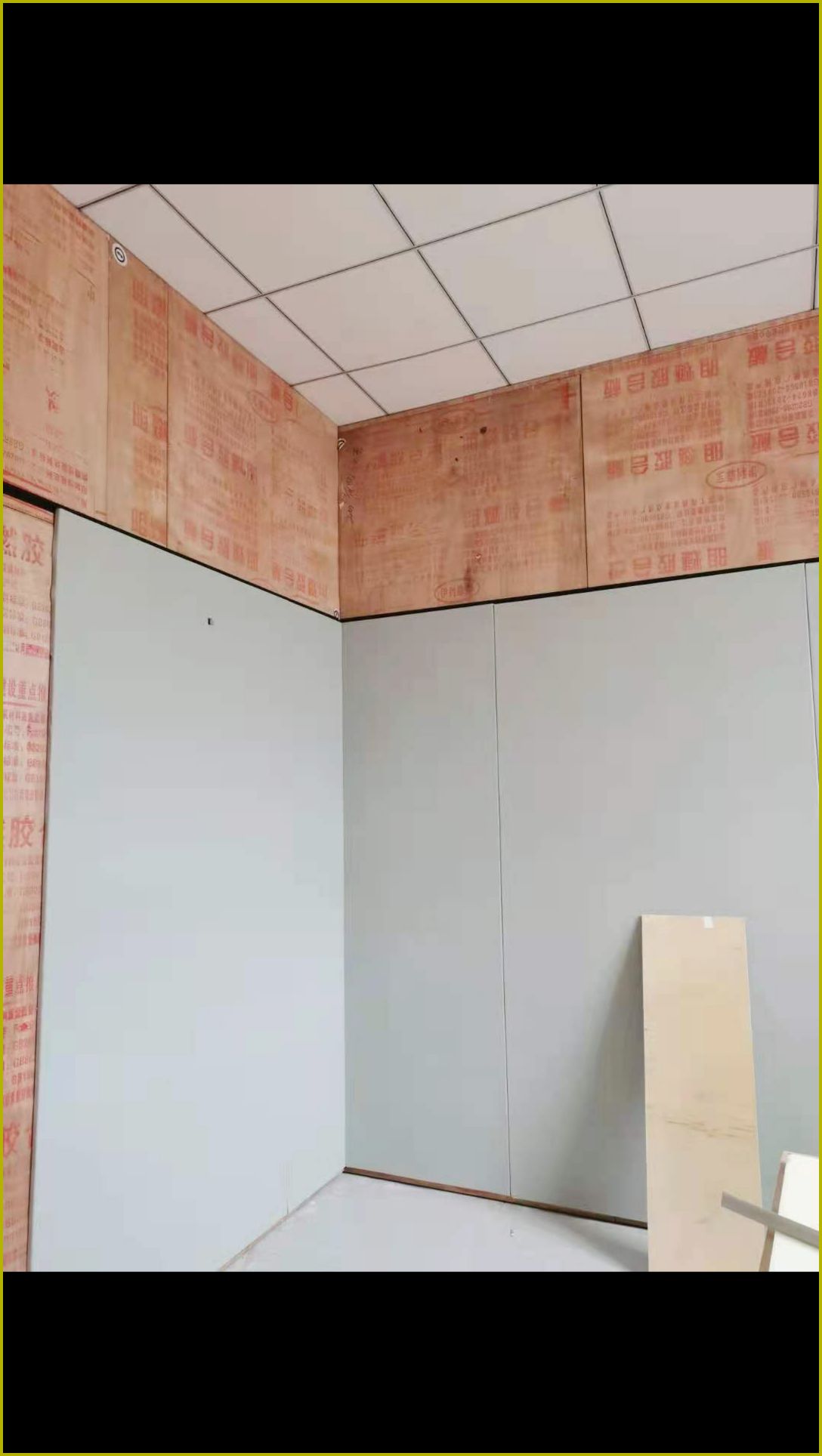
The paperwork stack is short. A lab report for the assembly measured to GB/T 19889.3 or a field test to GB/T 19889.4, a fire report matched by batch to the material on the pallet, and the formaldehyde sheet for anything with adhesive in it. Then one look at sealant continuity along the perimeter, because a 2 mm unsealed slit at the skirting quietly deletes decibels you already bought. Three documents and one slow walk along the joint line, and the wall either exists as specified or exists as a conversation.
Here is the judgement standard I would hand to any buyer: state a decibel target and a standard number, and any reply that comes back as an NRC value or the word premium has failed your inspection before shipping. Ask for Rw on an assembly basis. Ask for the batch-matched B1 certificate. Ask which side of the door the threshold seal drops onto. Suppliers who answer those three questions without blinking rarely miss a delivery date either.
On our public-security and school fit-outs the padding and panels come from 景丽伦英文站, and the reasons are dull in the best way: factory-direct quotes that have undercut distributor pricing on every project I priced both ways, certification to the GB set above arriving per batch with the delivery, and a crew that measures and lays out rooms before quoting. Their free measurement and design service sounds trivial until you have watched a competitor order 80 m2 by eyeball and finish 6 m2 short on a Friday afternoon.
How much do sound insulation panels for walls cost?
Material ballparks: 9-12 mm PET felt at 10-20 USD per square metre, fabric-wrapped rock wool at 15-30 USD, wood slat on felt backing at 30-60 USD. A full party-wall upgrade to Rw 50 dB with decoupling and double board typically lands at 60-120 USD per square metre installed, and a sealed solid door costs 150-400 USD before either of those conversations begins.
What are the best soundproofing panels for noisy neighbours?
Thin decorative panels do not block a neighbour. The fix is an assembly: resilient clips or an independent stud, double gypsum, 50 mm rock wool, sealed perimeter, aimed at Rw 50 dB per GB 50118-2010. Panels afterwards clean the echo of your own room, which is a different and cheaper problem.
How long does installation take?
A bedroom feature wall in PET or slat panels is a one-day job for one installer. A decoupled party wall needs two to three days including sealant cure. Institutional fit-outs scale accordingly: a 600 m2 interview wing with anti-collision padding runs roughly two weeks with a three-person crew.
Can I install soundproof panels for doors myself?
Yes, if the slab is solid-core. Perimeter seals and a screw-on drop-down threshold take an afternoon with a drill and recover several decibels at the gap. A hollow-core door is beyond saving; replace the slab first, then seal it. Panels glued to a leaf add weight and little else.
Run the one-minute check on your next quotation, then deal with people who measure before they quote. 景丽伦英文站 offers free measurement and layout for wall panels for soundproofing projects; message their team through the enquiry form or the WhatsApp line on the contact page, and ask for the batch-matched B1 report with the delivery, since a supplier that walks the rooms first rarely needs to be told twice.

Leave A Comment