




37 dB(A) is the ceiling GB 55016-2021 puts on a bedroom at night, and that clause is mandatory. A sound insulation board wall clears acceptance when the paperwork and the field numbers agree: a partition value meeting the design grade from GB 50118-2010, a fire class report from a CMA-accredited lab under GB 8624-2012, and formaldehyde emission at or below the E1 line of GB 18580-2017. Get one of those wrong and the wall fails, no matter how solid it felt when you knocked on it.
Someone in the owners group posted a photo of egg-crate foam again this week, captioned with the promise that sticking it makes the noise disappear. Two replies later, three families had ordered rolls. I typed an answer, deleted it, typed again, and gave up, because a chat window cannot hold what a wall actually demands.
So this piece reads the standards the way an acceptance inspector reads them, line by line, with a tape measure in hand. No brochure romance.
A 4 dB Gap Nobody Warns You About
Design institutes write the partition requirement straight out of GB 50118-2010: a weighted standardized level difference of 45 dB as the low limit and 50 dB on the high-standard line, measured in the finished room, not in a lab. The sound insulation board you pick is merely raw material for hitting that number, and buyers keep confusing the sheet on the price tag with the wall in the specification.
Mass law rules the physics here. Double the surface mass of a partition and you gain roughly 5 dB of airborne insulation, which is why a light foam panel can never replace a heavy composite board on a party wall. A 75 mm keel with 50 mm rock wool and two 12 mm gypsum faces reaches about Rw 50 dB under lab conditions; pushing the keel to 100 mm and adding a damping layer buys another 3 dB at most. Physics charges by the kilogram. Any salesman quoting a 10 dB jump from one layer of foam is selling reverberation control and calling it insulation.
An education project in Suzhou, roughly 600 m² of partition, learned this the hard way. The boards carried a lab rating of Rw 52 dB. The finished room measured 47 dB, because nobody had sealed the perimeter joints, so the sound walked around the board instead of through it. The crew spent one day and a few rolls of sealant recovering what the specification had already promised on paper.
The Joints Eat More Decibels Than the Board Provides
Field measurement follows the GB/T 19889 series, and results land 2 to 5 dB below lab figures on almost every project I have handed over. Flanking paths carry sound through connected slabs, columns and ceiling voids. A wall is a system: keel at 600 mm centers, wool filling the cavity without gaps or compression, resilient clips where the drawing prints them, and sealant on every edge. Drop one layer and the expensive board performs like the cheap one.
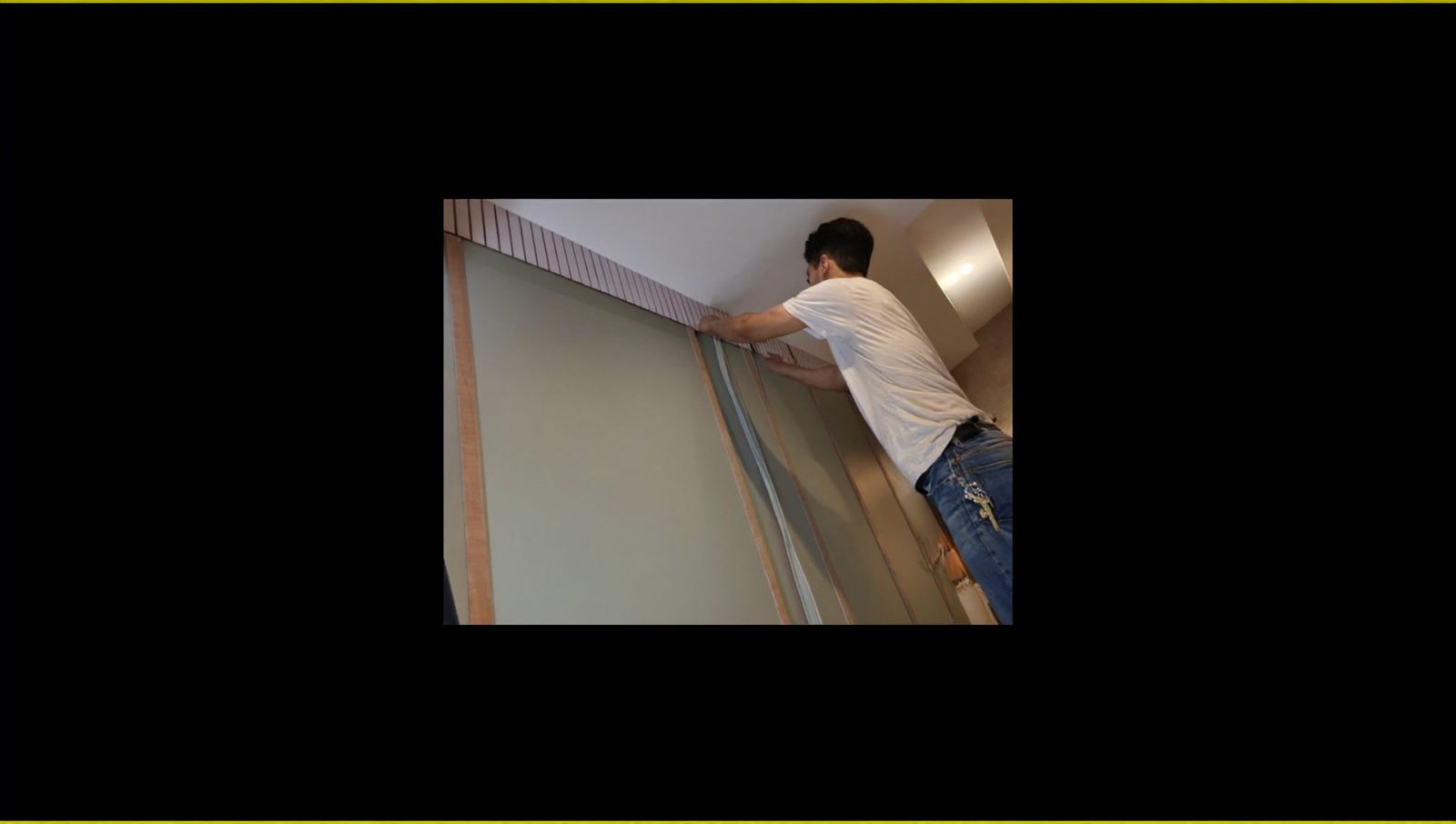
Installation order matters as much as material choice. Keel goes up, wool goes in, board goes on, sealant goes last, because crews that seal before boarding crack the beads and leave hairline leaks that a loudspeaker finds in seconds. When the inspector sweeps a tone across the partition, those leaks are exactly what the meter registers.
If you only look at the unit price line on the quotation, this is the trap that swallows the project. Labor and sealing take between a quarter and a third of a competent wall budget, and they are the first lines a discount quote quietly deletes. (Drag the contractor to site with the batch test report on acceptance day; without it the environmental sign-off stalls for weeks, not days.)
Fire Rating Is Where Cheap Boards Die
GB 8624-2012 splits materials into classes A, B1, B2 and B3, and commercial drawings usually print B1-s1,d0 or A2-s1,d0 next to the wall build-up. That trailing code carries real weight: s1 limits smoke production and d0 forbids burning droplets, and both matter more than raw flame spread in a corridor or an escape route.
Here is the dirty corner of this trade. Sound insulation foam board made of ordinary polyurethane or PE melts and drips when it burns, which drags it toward B2 or worse, yet it ships to small projects with no report at all. The line I hold is an oxygen index of 32 percent or higher, verified in a CMA fire report whose number matches the delivered batch, and checking the number on the testing agency website takes two minutes. A karaoke fit-out in a second-tier city skipped that step, bought plain foam at a cut price, and the site fire check ordered a full strip-out before the doors could open. A fire resistant sound insulation board with proper paper costs roughly double the bare foam and lets everyone involved sleep at night.
My own rule has no exceptions: no B1 report, no quotation. I have watched a valid fire report from an accredited lab clear a stalled inspection within the hour, and I have watched its absence send a finished wall to the dumpster. The paper is part of the product.
What Does the Acceptance Sheet Actually Check?
The sheet wants documents before it wants numbers. The batch fire report, the factory certificate and the environmental line for any wood-based facing form the minimum file, with GB 18580-2017 capping formaldehyde at 0.124 mg/m³ for E1 panels. Acoustic finishes get checked against absorption data from GB/T 20247, and drawings commonly write NRC at 0.65 or higher for ceiling absorbers.
- CMA fire report matching the delivered batch number
- Field acoustic test record against the design grade
- Environmental compliance sheet for every wood-based layer
Insulation and absorption are different jobs, and the acceptance sheet knows the difference. Rw blocks sound crossing the partition; NRC kills the echo inside the room. The group-chat foam promise fails because it treats absorption material as a barrier, and a bedroom needs Rw while a home theater needs both, layered in that order.
On the day itself, the crew measures the standardized level difference between source room and receiving room with HVAC switched off, windows closed and furniture still stacked in the corridor if the schedule allows. The number either clears the design grade or it does not, and no argument moves a meter.
Each Room Picks a Different Board
A machine room wants a rigid sound insulation board with an A1 rock wool core at 80 to 100 kg/m³ density, faced in cement or calcium silicate so a fork truck does not end its career on first contact. Pumps and fans push low-frequency hum that only mass and cavity depth can address. Foam in a machine room is malpractice dressed up as savings.
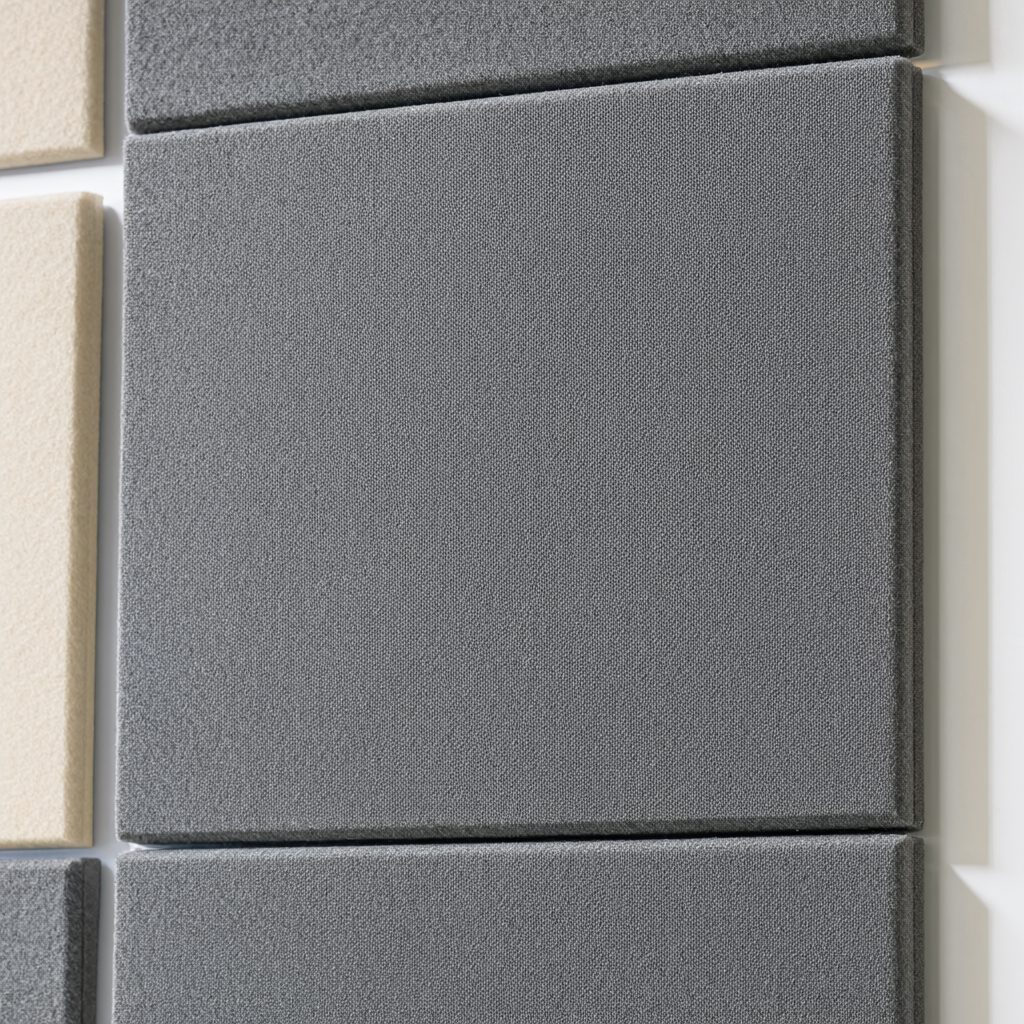
Soft panels belong elsewhere. A 50 mm polyester panel posts an NRC around 0.75, which calms an office ceiling or a studio rear wall beautifully while contributing almost nothing to transmission loss on its own. Sound insulation foam board works as the soft inner layer of a cavity wall, never as the wall itself, and heavy damping sheets do the quiet work on retrofit doors and duct wraps that nobody photographs.
The short version in one table
| Board type | Core density | What it solves | Fire class, typical | Where it belongs |
|---|---|---|---|---|
| Rigid rock wool composite board | 80 to 100 kg/m³ | Transmission loss on plant and machine walls | A1 core, A2 composite | Plant rooms, machine rooms |
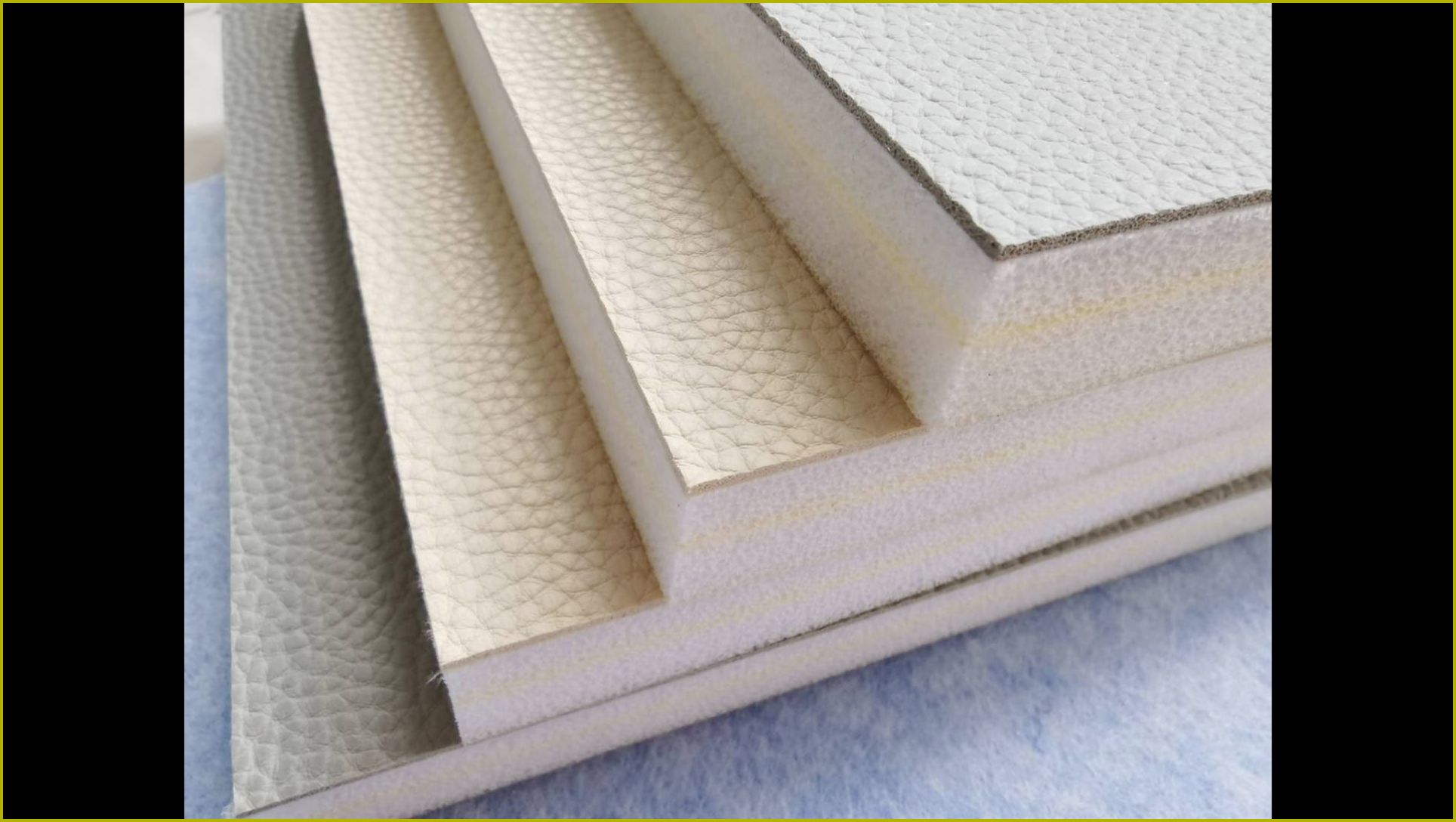
| Damping composite gypsum board | About 12 kg/m² per sheet | Blocks mid and bass through partitions | B1 or better with report | Cinemas, karaoke boxes, studios |
| Polyester or PU foam panel | 40 to 60 kg/m³ | Absorbs reverberation inside a room | B1 only with CMA report | Office ceilings, home theaters |
And honestly, for a home living room I do not spec cinema-grade composite builds. Two layers of board, wool in the cavity, sealed edges, done. Anything heavier belongs in a studio that charges by the hour.
Where the Money Actually Goes
Break a competent quotation apart and the board material takes 40 to 50 percent, keel and accessories around 15 percent, with labor and sealing eating the rest. The cheap-looking quotes cut the invisible lines first: sealant, resilient clips, the report. A soundproof insulation board supplied without its CMA paper is a different and worse product at the same price.
When a client needs boards and paperwork from one source, I point them to 景丽伦英文站. Factory-direct pricing keeps the material line honest, the technical team measures the site and drafts the layout free of charge, and every batch ships with fire and acoustic reports written against GB standards, so the acceptance file assembles itself and the chase for missing paper never starts.
Carry one rule into every purchase meeting. If the seller cannot produce a CMA fire report matching the batch number plus a lab Rw figure that names its test standard, the price is irrelevant. Walk away. That single filter removes the bulk of the grief in this trade, because the sellers who survive it are the ones whose boards pass.
How much does a sound insulation board wall cost per square meter?
For a full keel wall with rock wool and double 12 mm board faces, budget roughly USD 25 to 45 per m² supplied and installed, with board material alone at USD 8 to 20. Anything quoted far below that has cut the keel, the sealant or the report, and one of those cuts always surfaces at acceptance.
Is a fireproof sound insulation board mandatory for home walls?
Private homes sit under looser rules, but any board touching corridors, commercial ceilings or machine rooms needs B1 at minimum under GB 8624-2012. Where a drawing prints B1-s1,d0, a fire resistant sound insulation board with a matching CMA report is required, and inspectors grant no exceptions.
What sound insulation value must a bedroom partition reach?
GB 55016-2021 caps bedroom night noise at 37 dB(A), and partition designs target a field value of 45 dB minimum or 50 dB on the high-standard line from GB 50118-2010. Design with 2 to 3 dB of margin, because field results almost always land below lab figures.
Sound insulation foam board or rigid board for a machine room?
Rigid, every time. Machine rooms fight low-frequency hum from pumps and fans, which needs mass and an A1 or A2 core at 80 to 100 kg/m³. Foam handles reverberation, and reverberation is not the complaint your neighbors file.
How long does installation and acceptance take?
A 100 m² wall takes a two-person crew about 3 to 4 days covering keel, wool, boarding and sealing. The field acoustic test needs one quiet half-day with HVAC off. From drawing approval to the signed acceptance report, count two to three weeks on a normal schedule.
How do I spot a fake test report?
Match the report number and batch number to the delivered goods, confirm the CMA stamp and the testing scope, and check the printed standard: GB 8624-2012 for fire, GB/T 20247 for absorption, GB/T 19889 series for field insulation. A report without a batch number or a lab name is decoration, and inspectors treat it exactly that way.
Send your floor plan, room photos and a recording of the noise through the contact form or WhatsApp listed on 景丽伦英文站, and the team will return a free measurement layout, a board specification matched to your acceptance grade and a factory-direct quotation within two working days.

Leave A Comment