




Door sound insulation is decided less by the leaf than by the seals, the gaps and the frame sitting behind it. That is the one sentence I would paint on the wall of every tender office. I spent ninety minutes this morning proving it against my will, in a postmortem over 38 doors rejected at a district office project in Changzhou, where every leaf left our floor within spec and the sound still walked through the assembly like it owned the place. My job is outgoing QC on acoustic leaves and board cores. Weighing rock wool, burning corner samples, arguing tolerance with purchasing. Somebody has to, and after this morning I need to say it out loud before the next batch ships.
38 Doors on the Reject Pallet
The paperwork was beautiful. Core density nominal 100 kg/m3, our re-weigh on the floor came in at 98 kg/m3, comfortably inside the plus or minus 8 kg/m3 acceptance band we hold on the line. Fire class B1 per GB 8624-2012, backed by a combustion report from a CMA-accredited lab, sample number readable, signature in place. The general contractor's acceptance sheet still recorded a 6 dB shortfall against the promised corridor isolation, measured on site with calibrated kit by their own consultant. Leaves fine. Numbers dead.
We pulled one door to autopsy it. A 12 mm undercut left open for return air, a 5 mm latch-side gap where the installer had shimmed to a bowed frame, and acoustic sealant applied over dusty masonry so it peeled like old tape. The rework order ran to rehanging all 38 leaves, retrofitting drop-down bottom seals, resealing every frame joint, then re-testing the corridor. Two full days of crew time for a defect that costs nothing to prevent on install day and a small fortune to fix after handover.
The Leaf Is Only Half the Story
STC is a single-number rating of how much airborne sound a partition blocks, stitched together from lab measurements across 16 third-octave bands. It gets measured on the assembly as mounted in the lab opening, gaskets and all, and that is precisely where the jobsite starts to diverge from the certificate. Underneath sits the mass law, and it is blunt: double the surface mass and you buy roughly 5 dB, before flanking paths and leaks take their cut. A heavier leaf is a better leaf, no argument from me. It is just not a finished answer.
Internal door sound insulation runs into this wall constantly, because interior leaves are thin and light by design and nobody wants a vault door on the bathroom. So the industry compensates where it can, composite cores, perimeter gaskets, drop seals, and then quietly hands the last 40 percent of the job to whoever drives the screws, usually the subcontractor who quoted thinnest on the site. GB 55016-2021 locks minimum airborne sound insulation values for bedroom partitions into mandatory code, which makes the door the weak link in that wall by default. Draw your own conclusions about where the money should go.
Four Leaves on the Bench
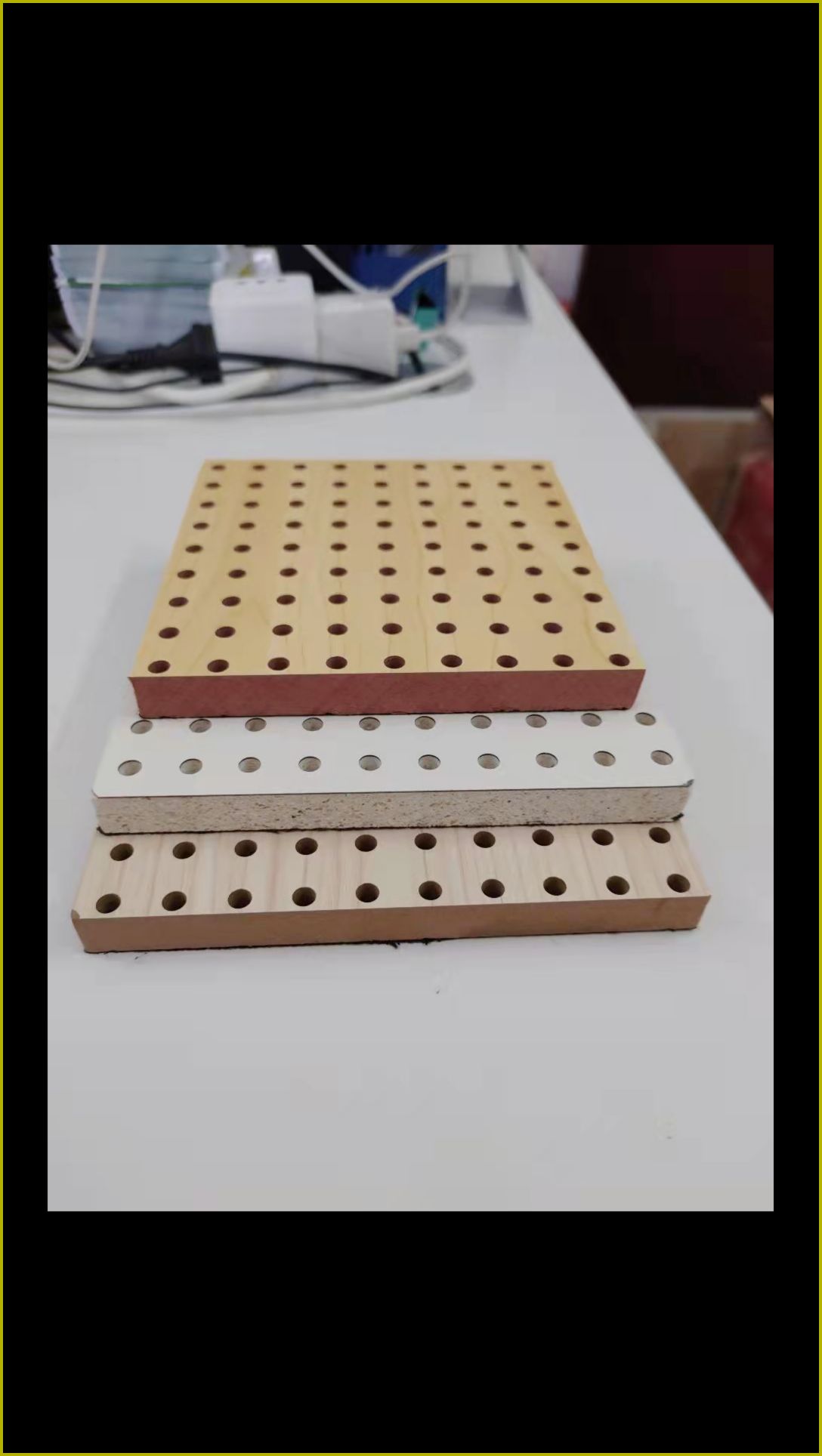
I pulled our own chamber reports plus the third-party sheets we collect for tender files and lined up the four leaf types that cover the bulk of real orders. Prices are ex-works bands from last quarter's order book for a 900 by 2100 mm opening, hardware excluded. Treat them as orientation, not gospel.
| Leaf type | Typical STC | Leaf weight | Fire class realistically attainable | Ex-works price band | Where it belongs |
|---|---|---|---|---|---|
| Hollow honeycomb | 20 to 24 | about 25 kg | None worth printing | USD 60 to 110 | Storage, plant back-of-house, toilets nobody complains about |
| Solid composite, MDF skins over rock wool | 28 to 32 | 45 to 55 kg | B1 per GB 8624-2012 with the right core | USD 150 to 260 | Offices, bedrooms, consulting rooms |
| Solid timber | 26 to 30 | 40 to 50 kg | Hard to certify without chemical help | USD 220 to 400 | Hotels chasing warmth with patience |
| Steel acoustic leaf | 40 to 45 | 70 to 90 kg | Fire-rated EI30 and EI60 variants under GB 12955-2008 | USD 380 to 700 | Control rooms, cinemas, plant rooms, music rooms |
Reading the table like a specifier
For a soundproof interior door in a normal office, the solid composite row is the rational pick, STC 30 class, B1 achievable, a weight a human can still swing open with a coffee in one hand. Honestly, for a home soundproof bedroom door I would not push a full steel leaf either, since the composite with a proper gasket set and a drop seal delivers a quiet night and the hinge survives a decade of daily use. Steel earns its price tag when the fire rating and the 40-plus STC are written into the spec, not before. You are reading the price column too, I know, and that is exactly why the next section exists.
Is Your Undercut Gap Eating the Rating?
Do the arithmetic once and you never forget it. A 10 mm undercut across a 900 mm leaf leaves a 90 cm2 opening, and openings do not negotiate, sound simply goes where the hole is. Bedroom door sound insulation fails at the latch side more often than at the leaf, and nobody notices because the failure is silent by definition. On our retrofit retest of 12 doors last spring, compression gaskets plus an automatic drop-down bottom seal recovered 4 dB, STC 26 to STC 30, without touching the leaf itself. Four decibels for the price of a gasket roll and two hours of labor.
Installation decides whatever the seals leave behind. The frame-to-wall joint gets backer rod and acoustic sealant, because expanding foam alone cracks within two heating seasons and every crack sings. Hinge-side bind means the frame is out of square, and a crooked frame crushes the gasket on one side while leaving the other side breathing freely. (At handover, make the installer produce the batch combustion report from a CMA-accredited lab; without that sheet the fire acceptance stalls, and the delay always lands on your desk, never the installer's.)
Sliding Doors Leak and Everyone Pretends Otherwise
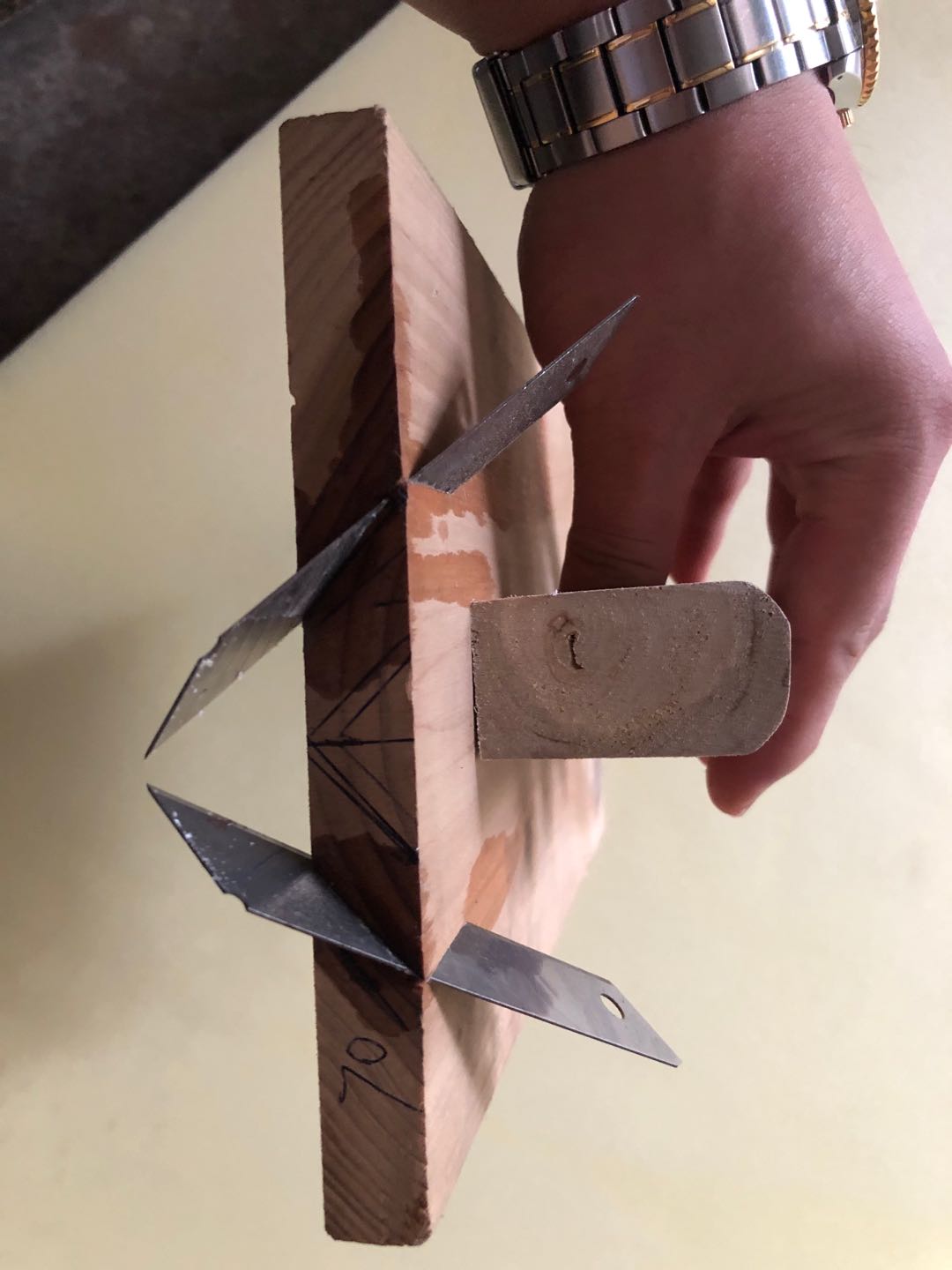
Sliding door sound insulation starts with a handicap written into the geometry, because a panel that moves parallel to its opening needs running clearance and clearance is a slot for noise. Our bench log on a cavity slider read STC 22 as first installed, then STC 27 after brush seals top and bottom plus an acoustic lining inside the wall pocket. Six units tested, same delta on five, one outlier we traced to a twisted track. When a brochure promises STC 35 from a slider, ask for the lab report and read the mounting notes, since a fair share of those figures come from a fixed panel bolted rigidly into the test opening, which is a wall in a door costume.
If you want the sliding look, budget the sliding tax in full:
- A heavier panel on a quality track, because a light panel in a sloppy track rattles at conversation frequencies.
- Brush or magnetic perimeter seals plus a lined pocket, since skipping either one puts you back to curtain performance at door prices.
I have signed off on sliders and slept fine afterwards, but only because the client saw the bench number in advance and paid for the full detail rather than the render.
Front Door Sound Insulation Plays by Different Rules
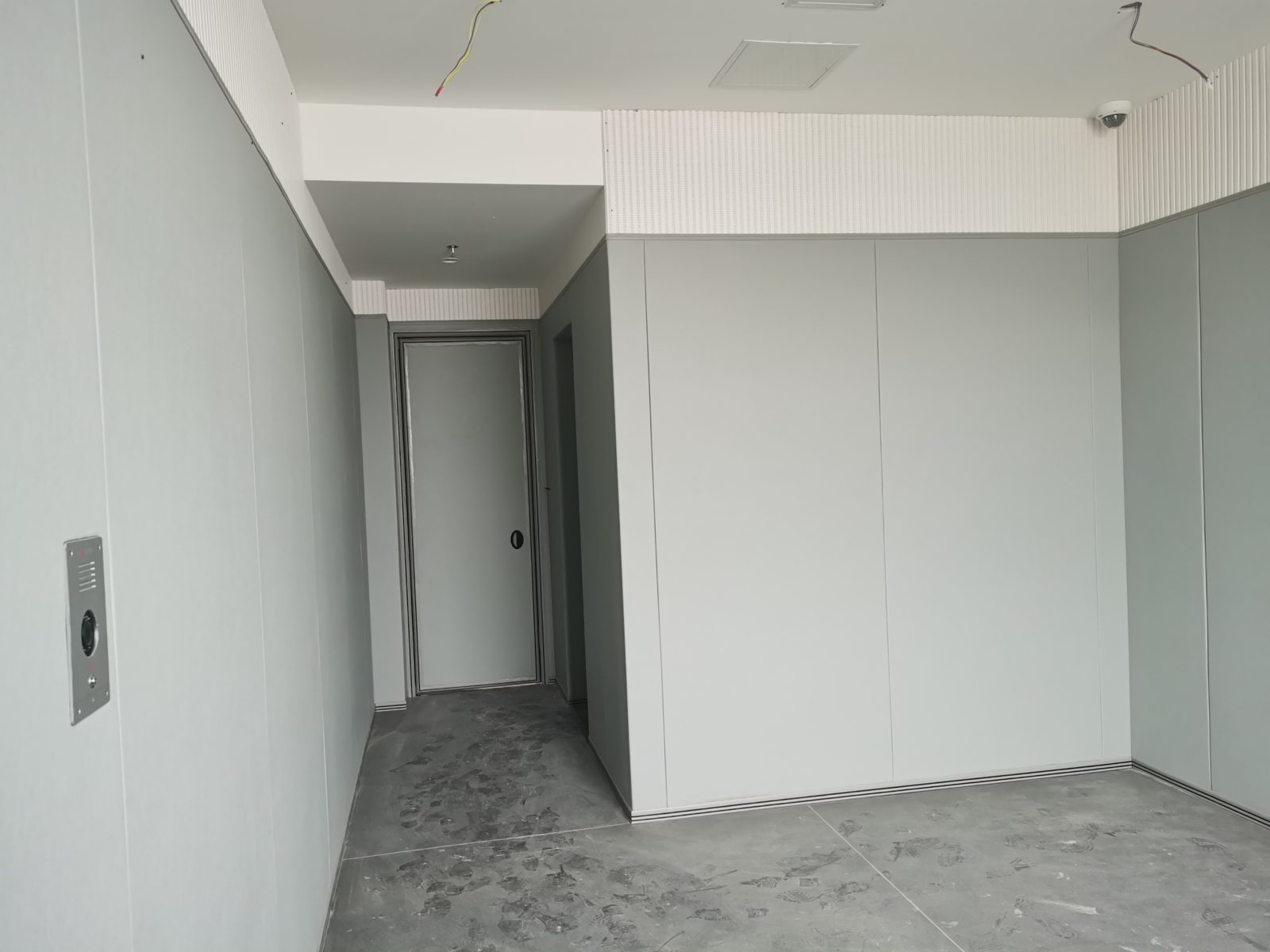
Front door sound insulation shares physics with interior doors and nothing else. The enemy outside is traffic noise, low frequency, patient, and it walks through thin gaskets without slowing down. What holds up on our bench sheets is mass plus compression: a 2.0 mm steel face over a mineral wool core, multi-point locking that pulls the leaf evenly onto a continuous gasket, and an automatic threshold seal that drops onto the sill on closing. That assembly sits around STC 35 on our records, and the identical leaf with a worn sweep slides back to 30 within a year of daily use. Entrance doors in corridor-facing apartments also carry smoke control duties, so the seal spec and the fire paperwork have to fit the same frame.
The frame joint is where contractors cheap out. A steel leaf hung in a frame floating on unsealed foam behaves like a drum with a badge on it:
- Backer rod and acoustic sealant at every frame-to-structure joint, torqued anchors, then a smoke-pencil pass before anyone utters the word acoustics.
- A re-check after the first heating season, because joints move and an entrance door that got quieter after install and noisier by winter is not your imagination.

Do Car Door Sound Insulation Habits Transfer to Buildings?
Sound insulation car door projects and building doors share one honest idea, add mass, add damping, kill the gaps. Car audio people stick 2 mm butyl mats on the outer skin with closed-cell foam over the top, and the cabin calms down mostly because the panel stops ringing. A bedroom leaf benefits from the same trio in principle, composite core for mass, viscoelastic interlayer for damping, gaskets for the leaks. The physics commutes. The fire code does not.
Butyl mat glued onto a house door is a chemistry question nobody wants answered during an actual fire, and GB 8624-2012 grades field-applied car kits without mercy. If a vendor offers damping rolls off a car audio shelf for an interior leaf, walk away and buy the damping where it belongs, inside a certified composite core with the combustion report stapled to the delivery note.
What We Check Before a Batch Ships
This is the part of the job nobody photographs. Every acoustic batch gets its core density re-weighed on the floor, nominal 100 kg/m3 with a plus or minus 8 kg/m3 acceptance band, one leaf sampled in twenty, and my right wrist has opinions about the sampling scoop. Corner samples get torched and compared against the baseline behavior in the CMA lab report, watching for the same charring and zero drips. Hardware pre-set, gasket pull-off, squareness on the jig, then the stamp goes on. Full disclosure while I am at it: I run this line for 景丽伦英文站, factory-direct with GB compliance, free measurement and design on the front end, which is how the order of operations stays honest, measured before quoted, never the other way round.
The reason I defend that sequence is the Changzhou pile. A factory that measures the opening first cannot quote a leaf into a frame that cannot hold it, and the rework meeting I sat through this morning exists because somebody skipped that step somewhere upstream. Density and fire class were flawless. Nobody invoiced for flawless.
The One Test Worth Running Before You Pay
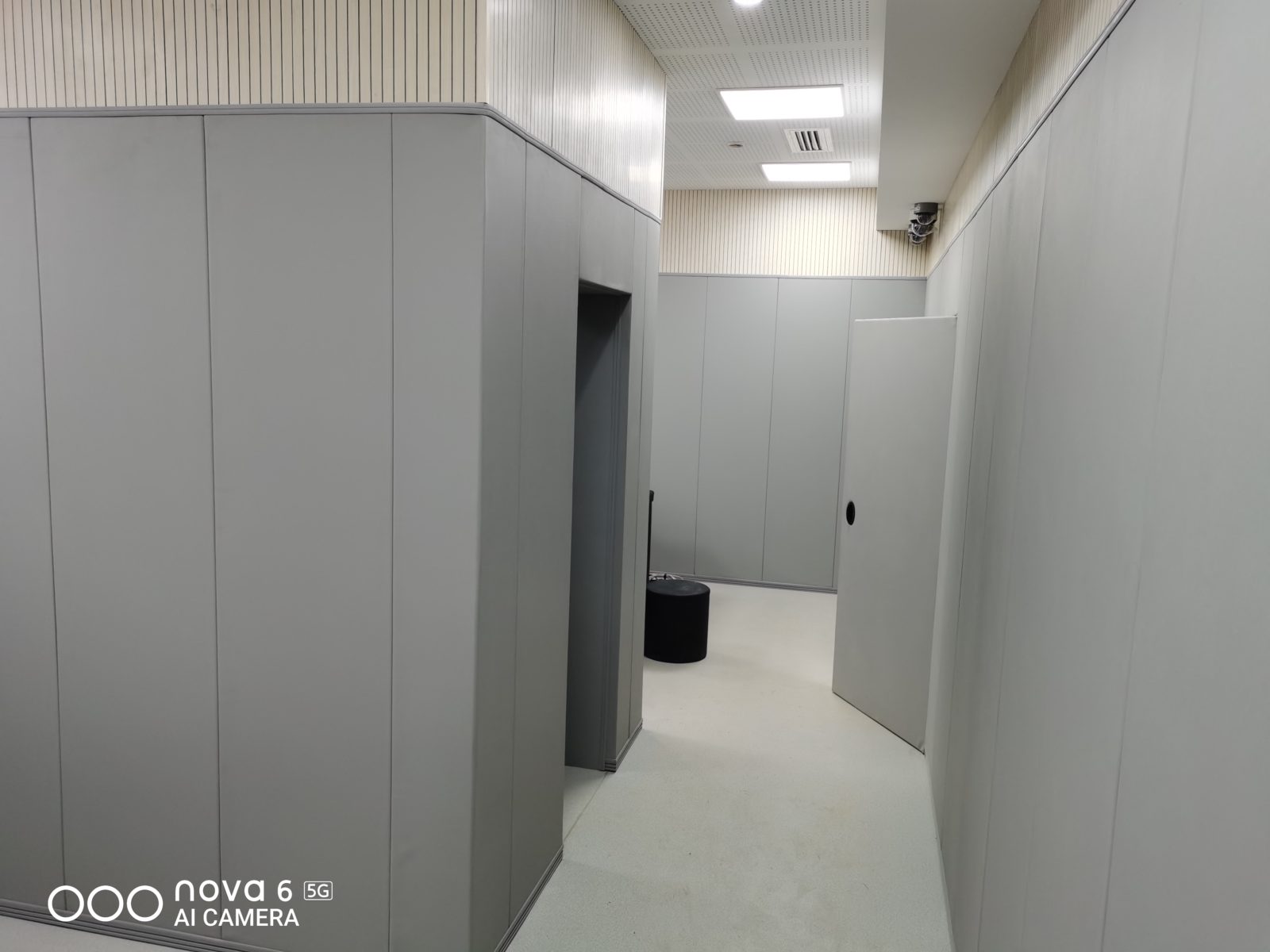
Forget the brochure for a minute and run this. Shut the door on two stacked business cards at three heights, top corner, handle height, and the bottom corner near the latch, then drag them out slowly. Any point where the cards slide free without resistance is a break in the seal line, and no leaf upgrade on earth rescues the number until that break is closed. Fix seals before you even think about fixing leaves, because after final payment a punch list evaporates like morning dew. If you want a second pair of eyes before the wire transfer, send the drawings and site photos to 景丽伦英文站 through the inquiry form on the site and the measurement crew comes out free, with a spec sheet you can hold us to on delivery day.
How much should I budget for a soundproof interior door?
For a 900 by 2100 mm opening, a solid composite leaf runs USD 150 to 260 ex-works, gasket and drop-seal kits add USD 25 to 60, and competent installation with proper frame sealing takes roughly half a day per door. A steel acoustic leaf starts around USD 380 and only pays off when the spec demands STC 40 plus a certified fire rating.
Can a sliding door ever match a hinged door for bedroom quiet?
No, not at equal spend. Geometry charges a slider running clearance, and our bench numbers put a fully sealed cavity slider at STC 27 against STC 30 for a sealed composite hinged leaf. Sliders suit wide openings and visual layouts; when quiet is the priority, hinge it.
What STC do I actually need for a bedroom door?
For ordinary household noise, normal speech and TV at conversational level, STC 30 on the assembly is enough, which a solid composite leaf with full perimeter gaskets and a drop seal delivers. Move to STC 35 and above only when the adjacent room hosts drums, a home cinema, or a night-shift sleeper who needs daytime silence.
How long does a door sound insulation retrofit take?
Sealing an existing door, new gaskets, a drop-down bottom seal and frame resealing, runs 1.5 to 2 hours per leaf with one fitter. Rehanging or swapping to a heavier core turns it into a day per room plus a retest. A 38-door floor like the Changzhou job took our crew two full days including the corridor re-measurement.

Leave A Comment