




A fluted wood panel batch lives or dies on two sheets of paper: a GB 8624-2012 combustion report at B1 or better, and a density test inside the tolerance your contract names. I sign the release line before anything ships, and no rejection I have ever signed was about color. It was always one of those two numbers.
The trigger for this piece is an hour old. I stood in a bank lobby with full-height fluted oak panels glued flat to concrete, marble underfoot, glass on two sides, and my ears kept ringing on the walk to the car. Rooms of that shape and finish, measured afterward with our own meters, read 1.8 to 2.2 seconds mid-frequency reverberation. Somebody bought an acoustic look and received tile.
What follows is the bench view, clause by clause: density, fire class, the acoustics people assume they paid for, and the file that survives a handover review. Keep your purchase order open while you read.
The density figure comes before anything else
Wood fluted panels on an MDF core are the volume product, and density is where a mill saves money first. The cleanest acceptance sheet I have countersigned, a municipal conference-center project in East China, specified core density at 720 plus or minus 30 kg/m3, and our own release floor sits at 680 kg/m3. Drop much below that and the claims ledger turns ugly: groove edges fuzz during fluting, paint cracks along the rib line within a year, and screws near the flute pull straight out of mush.
The bench method takes ten minutes. Cut a 100 mm by 100 mm blank from a panel corner, weigh it on a 0.1 g scale, divide, and compare with the mill certificate. A gap wider than 5% means the certificate describes some other batch, and the pallet stops at the gate. WPC fluted panel runs close to double that density, which is why a 12 mm composite rib feels dead under a knuckle while the same profile in starving MDF sounds hollow; that weight earns its keep in coastal lobbies and semi-outdoor corridors, and it is dead weight on a dry office wall. Honestly, for dry interiors I do not spec WPC at all. You pay for water resistance the room will never test.
One habit worth stealing: weigh a delivered panel on a luggage scale, divide by the printed volume, and argue before installation rather than after. If your decision leans on the quoted unit price alone, the light batch is the trap built for you.
Fire class decides whether the batch ships at all
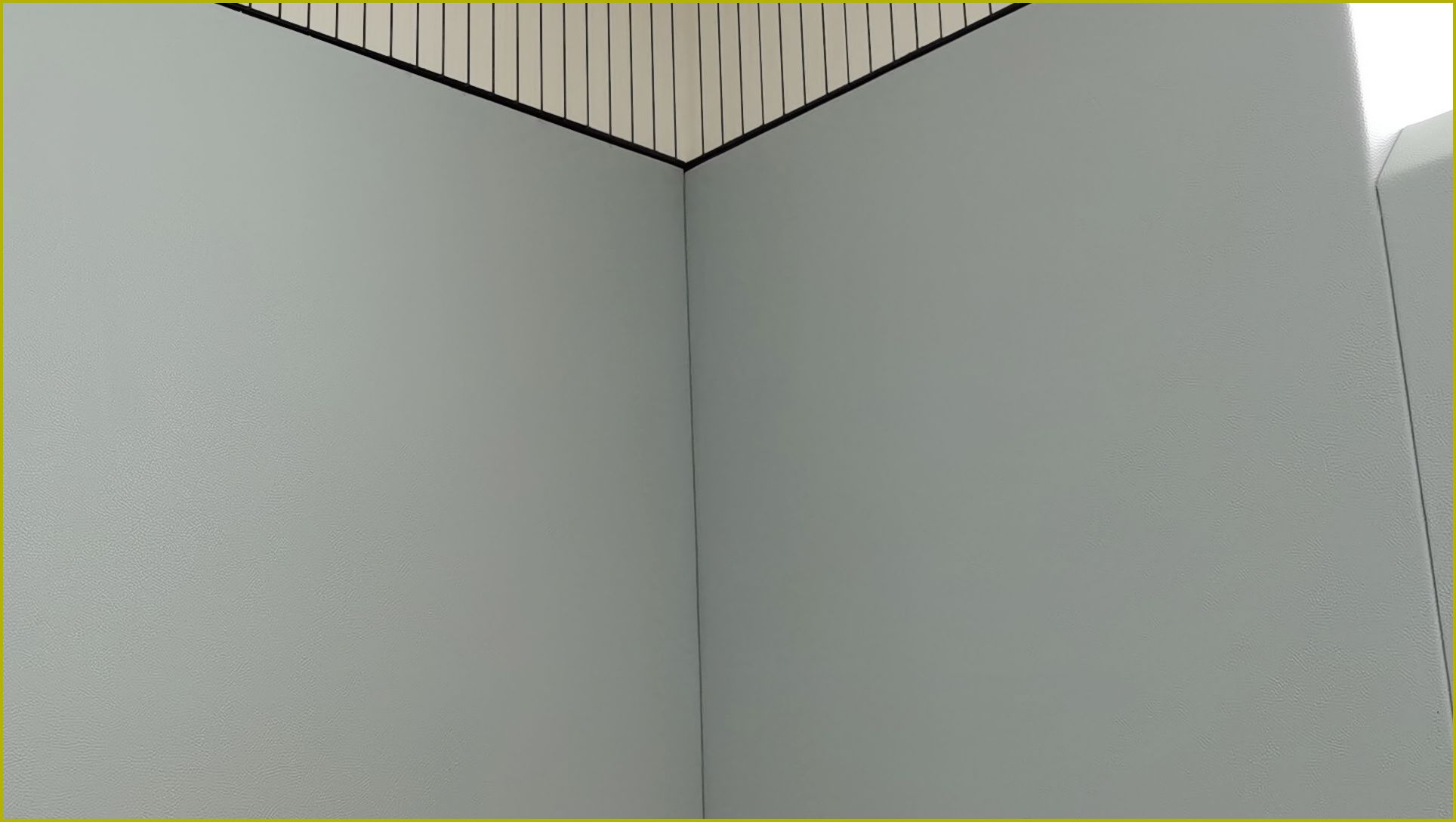
GB 8624-2012 grades building products from A down to B3, and public interior woodwork lives at B1. A complete report prints suffixes beside the grade: s1 places the product in the low-smoke band, and d0 records no flaming droplets. A certificate that stops at the bare word B1 without the suffix line is incomplete paper, and any reviewer who knows the code bounces it straight back. GB 50222-95 draws the map of where B1 is non-negotiable, evacuation corridors, assembly halls and the walls of crowded public rooms, which covers most of the spaces that buy fluted wood panel in volume.
Numbers beat adjectives here. A CMA-accredited combustion report on a flame-retardant MDF batch I released last quarter came back with a limited oxygen index of 34.2%, the kind of margin you want when the fire marshal walks the site. Demand the full report, not the summary stamp, because the report carries sample thickness, substrate and batch code while the stamp carries nothing. (Bring the paper to handover yourself; I have watched a site stall two weeks over a combustion report the builder left in another city.)
Does the fluting actually absorb sound?
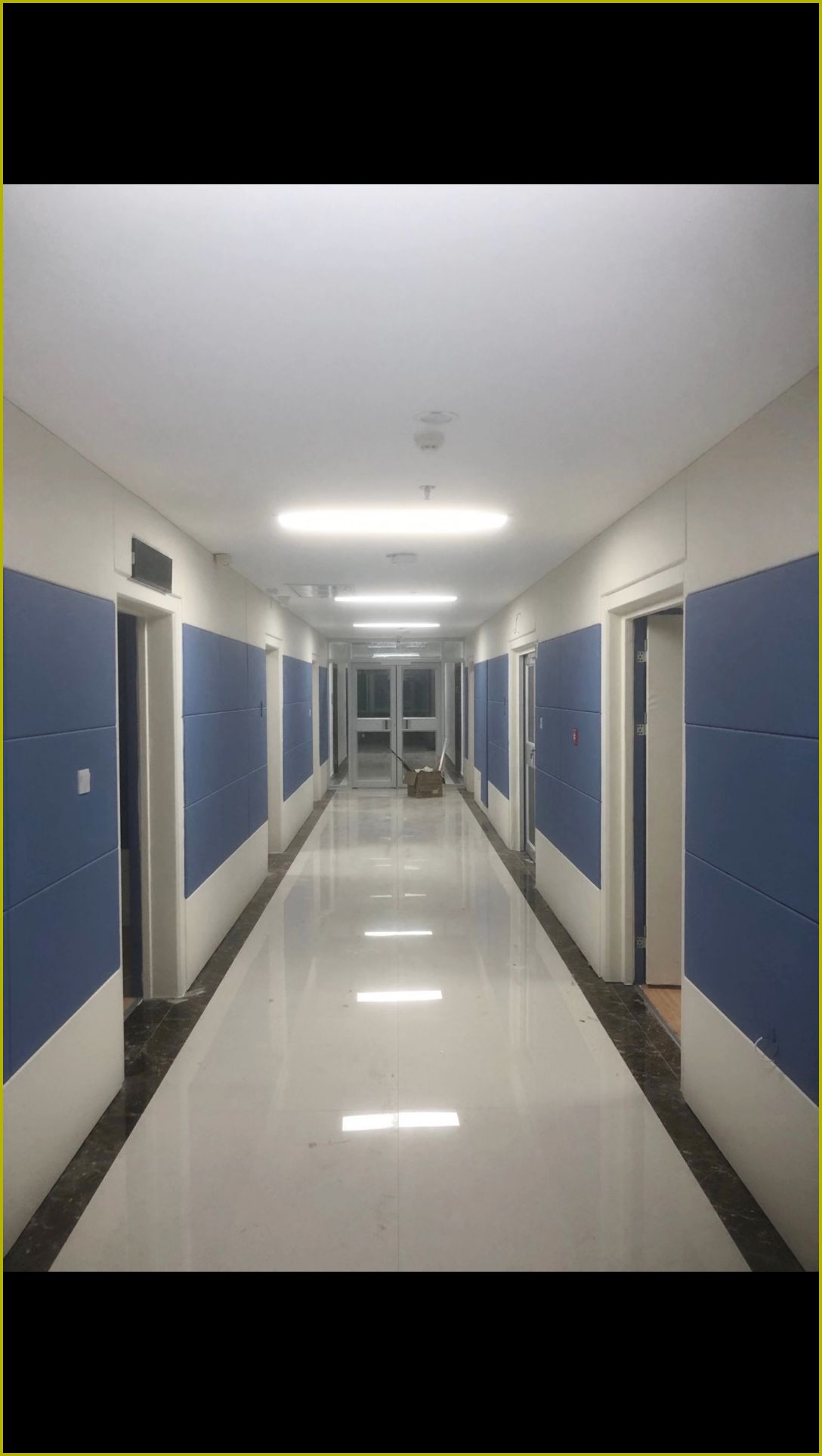
Fluting alone absorbs almost nothing. The working parts are the slot and the cavity, the flute is just the face: a slotted fluted wood panel tested by a CMA-accredited lab under GB/T 20247, the reverberation-room method, returned NRC 0.75 mounted over a 50 mm cavity with 48 kg/m3 glass wool behind it. The same panel glued flat to concrete delivers a fraction of that figure, because an adhesive-sealed back is not a cavity. The lobby that rang in my ears all afternoon is what that mistake sounds like at full scale.
NRC is the arithmetic average of absorption coefficients at 250, 500, 1000 and 2000 Hz, speech frequencies compressed into one number. GB 55016-2021, in force since April 2022, folds the indoor acoustic environment into mandatory acceptance, so the reverberation target your designer writes, commonly near 1.0 second mid-frequency for a lobby, has to be met by mounted product rather than renders. When a vendor quotes NRC above 0.9 for a plain unslotted wood fluted panel with no backing, the test either used a filler the quote omits or the figure came from software. Ask which.
Installation is the half of the acoustics nobody reads, and it decides the result. (At handover, make the contractor strip one bay: keel spacing, cavity depth and wool fill must match the mounting condition printed on the test report, or the report you filed covers a product that does not exist on your wall.)
Oak veneer, plywood and WPC follow different rules
Fluted oak panels sell on the face, and the face is thin by nature. Our spec sheet puts honest oak veneer at 0.6 mm; mills that quietly drop to 0.3 mm produce flutes where the veneer telegraphs the core and splits at every tight radius. Turn a sample over. A real fluted oak panel shows continuous veneer wrapping the rib, while the cheap version is printed paper riding an MDF rib. Grain direction matters as well: ribs cut across the grain catch light in even stripes and forgive machining marks, while ribs along the grain advertise every chatter line.
Fluted plywood panels answer to the formaldehyde line before any beauty contest. GB 18580-2017 fixes the E1 limit at 0.124 mg/m3 in a 1 m3 climate chamber, and a certificate that lists the right number under the wrong method is dead paper at a school or government review. I have released oak fluted panels for dry executive floors and WPC for a coastal spa; the reverse pairing would have failed within a year, WPC shrugs at humidity and raw MDF does not.
The paper trail that survives a handover
Acceptance is a document exercise wearing a hard hat. The file that passes holds four sheets: a mill certificate with batch numbers, a CMA-accredited combustion report whose batch code matches the delivery, an acoustic report naming model, thickness and mounting condition, and the E1 chamber certificate. Reviewers walk down that list in order, then sample one panel per pallet and cut corners for core checks against the paperwork.
What gets sampled at the gate
- Cut a 100 mm square from one panel per pallet, weigh it, and verify density against the mill certificate before the truck leaves.
- Match the pallet batch code to the combustion and acoustic reports, then photograph seals and reports in one frame so the file survives a disputed handover.
Match the report to the batch, never to the brand. I have seen a supplier reuse one glowing NRC report across three product generations until a reviewer noticed it named a 75 mm cavity the current clip system physically cannot create. Buy from a maker that ships the file with the goods. 景丽伦英文站 sends each order out with batch-matched reports and shop drawings from their free measuring and design service, factory-direct with no trader markup, which is exactly what keeps buyers away from report-less batches. One QC ledger, documents matched to pallets, that is the whole case for buying panels from a panel factory.
The rule I would write into every purchase order reads: no batch-matched B1 report, no payment; no cavity behind the panel, no acoustic claim. Two clauses, everything else follows from them. Send your drawings, room volumes and reverberation targets to 景丽伦英文站 through the inquiry form or the WhatsApp number on this page, and the team replies with a spec sheet, a report list and a factory-direct quotation within one working day.
What does a fluted wood panel cost per square meter?
Ex-factory quotations we issue run about USD 9 to 18 per square meter for slotted MDF fluted wood panel, USD 12 to 25 for wpc fluted panel, and above USD 20 for fluted oak panel with 0.6 mm veneer. Installed cost with keel and wool usually lands 60 to 100 percent above the factory figure.
WPC fluted panel or wood fluted panel for a humid lobby?
WPC, without hesitation. Wet and semi-outdoor spaces need the composite core that shrugs at condensation, while raw MDF wood fluted panel swells at the groove line within months. Keep solid MDF and oak fluted panels for dry interiors where finish and acoustics matter more than moisture tolerance.
What fire rating does acceptance require for public interiors?
B1 under GB 8624-2012, printed with the s1 smoke and d0 droplet suffixes, covers corridors, assembly halls and crowded public rooms under GB 50222-95; high-rise and underground projects often get specified at A2. Demand the full CMA-accredited report with the batch code, because a summary stamp alone fails review.
Do fluted panels reduce echo without mineral wool?
Barely. The fluted face is mostly reflective, and absorption comes from slots opening into a sealed cavity with wool inside. The lab figure I file, NRC 0.75 under GB/T 20247, exists only with a 50 mm cavity and 48 kg/m3 glass wool. Glue the same panel flat and you keep the stripes while keeping the echo.
How long does a custom fluted oak panel order take?
Our production schedule shows 7 to 10 days for standard slotted MDF lines and 15 to 25 days for custom fluted oak panel once veneer and groove drawings are locked, plus transit. Add about three working days when a fresh CMA combustion test is required for a new specification.
Which certificates should I demand before paying a deposit?
Four documents: mill certificate with batch numbers, CMA-accredited GB 8624-2012 combustion report, acoustic report under GB/T 20247 stating thickness and mounting, and the GB 18580-2017 E1 chamber certificate at 0.124 mg/m3 or below. If any one is missing, or brand-level rather than batch-level, hold the deposit.

Leave A Comment