




Woodupp Akupanel slat panels test at NRC 0.75 flat-mounted and 0.85 over a 50 mm cavity, which puts them on par with perforated MDF for reverberation control and well ahead of it on finish durability, and that pairing is why they keep landing on public-building walls where foam would never clear review. Last month I closed out a 96 m² interview-zone renovation for a city public security bureau. Reverberation at 500 Hz fell from 1.2 s to 0.7 s against the 0.8 s ceiling set in the design brief within the acoustic requirements frame of GB 55016-2021. One acceptance meeting. No rectification list. What follows is the comparison work behind that result, written the way I would brief a project engineer across a desk.
What a wood akupanel actually does to the sound in a room
A wood akupanel is a rigid sheet of parallel MDF or solid-timber slats fixed to a recycled-PET felt base, and the slat-and-gap geometry works two jobs at once: the gaps let mid and high frequencies reach the porous felt, while the flat slat faces scatter the upper octaves so the treated wall does not sound dead on one axis. The standard Woodupp Akupanel sheet measures 2400 × 600 mm with 27 mm slats and roughly 13 mm gaps, about 7.5 kg per sheet, light enough for one person to hang unaided. Lab data under ISO 354, the same method as GB/T 20247, shows NRC 0.75 hard against the wall and 0.85 with 50 mm of air behind. Remember that cavity figure. It returns later, and it is where most of the free performance hides.
The curve is not flat across the band. Slat-on-felt panels start weak at 125 Hz, climb steeply through the mid range, and post absorption coefficients above 0.9 between 1 kHz and 4 kHz, which is exactly where speech intelligibility lives. An interview room with hard plaster and a glass partition is drowning in that band, and this product drains it. Low-frequency room modes are a different animal and need mass and volume, which no 21 mm decorative panel supplies.
Coverage also decides more than brand does. On jobs I have quoted, once treated surface drops below roughly 25% of total room area, swapping panel makers moves the measured reverberation barely at all; between 40% and 60% coverage, every extra tenth of NRC shows up plainly in the meter. Buy area before you buy a name. That single sentence has saved clients more money than any spec sheet I have ever issued.
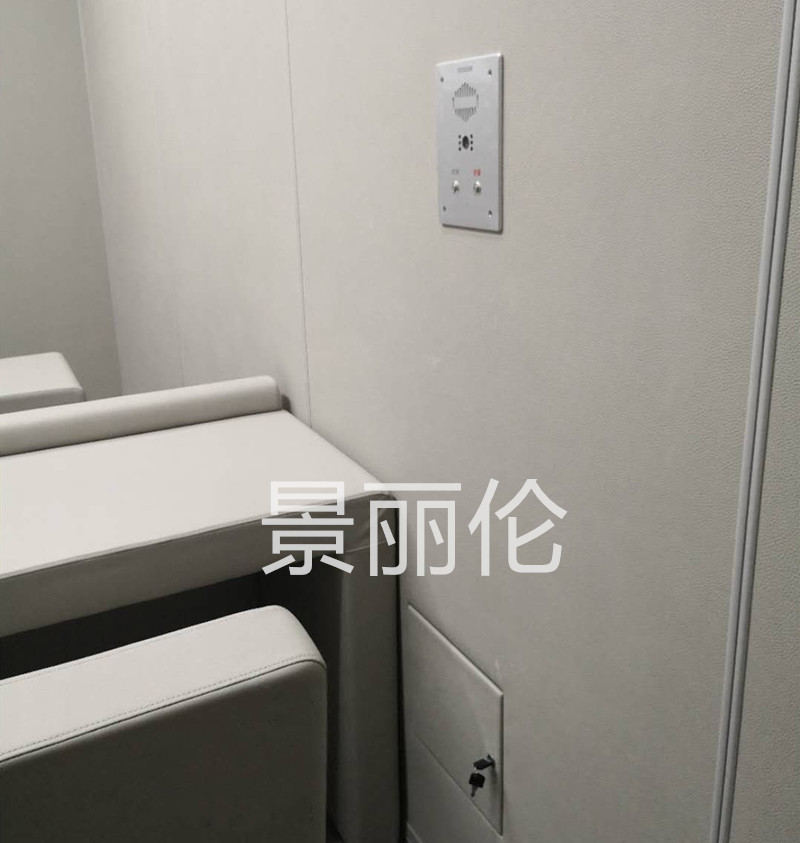
Wood slats, PET fabric, or perforated MDF?
This is the comparison buyers actually ask for, so here it is priced and rated side by side, using the ranges we quote and the classes that appear on real certificates.
| Panel type | NRC, flat mount | Fire class | Factory price | Service life | Where it wins |
|---|---|---|---|---|---|
| Wood slat akupanel, MDF on PET felt | 0.75 | EN 13501 B-s1,d0 / GB 8624 B1 | US$28-42/m² | 10+ years, wipe-clean | Walls facing clients, corridors, lobbies |
| PET fabric-wrapped panel, 25 mm | 0.80-0.90 | B1 available | US$12-20/m² | 5-8 years, snags and fades | Budget offices, classrooms |
| Perforated MDF, 12 mm with cavity | 0.70-0.85 | B1 | US$22-35/m² | 15+ years | Ceiling grids with fixed services |
| Open-cell foam tile, 50 mm | 0.95 mid-band | Class E typically | US$6-12/m² | 2-4 years, yellows | Plant rooms nobody photographs |
Read the fire column before the price column. Foam at Class E is dead on arrival for any project with a formal inspection stage; I once watched a pallet of cheap tiles get turned away at a district court job for exactly that reason. PET fabric wrap wins on cost per absorbed sabin when the room is large and nobody photographs it. The slat panel takes over wherever the surface will be touched, bumped by chair trolleys, or shown to visitors, because a torn felt corner cannot be repaired on site while a scratched slat can be spot-finished in ten minutes.
Inside the slat category itself the spread is just as wide. The Woodupp ™ Akupanel line runs flame-retardant MDF with E1 emission certification under EN 717-1, while if you type akupanel Woodupp into a marketplace search, half the listings that return are unbranded pine with no test paper attached. The two look identical in a listing photo. If you judge panels by photos, that gap will bite you at acceptance, not at purchase, and by then the sheets are already on the wall.
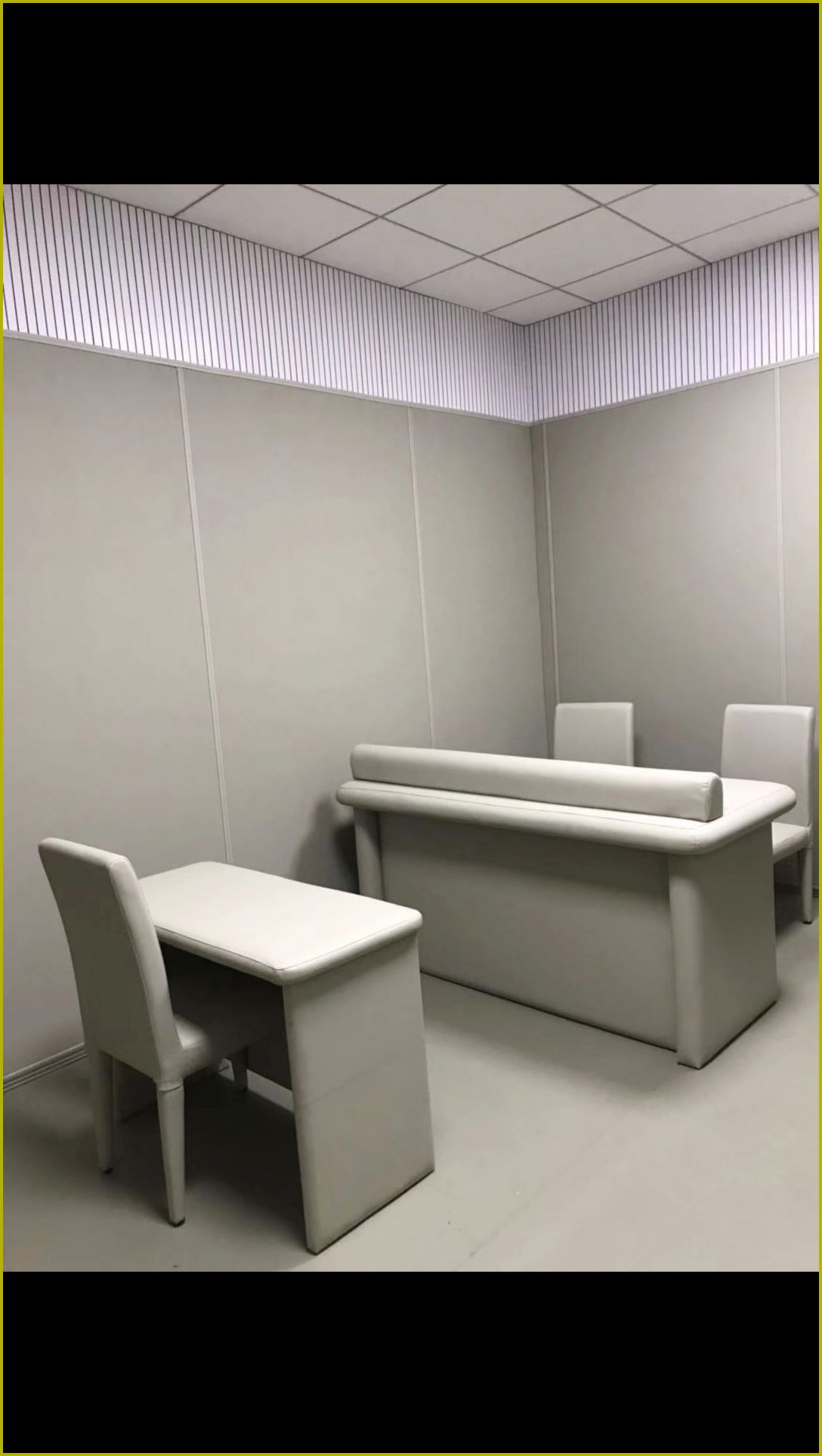
The soundproofing question I field every week
Do woodupp akupanels stop noise from the next room? No, and anyone who says otherwise is selling rather than engineering. Absorption and insulation are different quantities measured in different laboratories. A 21 mm slat sheet on felt adds perhaps 2-3 dB of airborne insulation, below the level where a listener reports a clear improvement. When the brief is speech privacy between interview rooms, the partition carries the load: double 12 mm gypsum on staggered studs with 50 mm mineral wool in the cavity, a build tested at Rw 52 dB under GB/T 19889.3. The akupanels then clean up the inside of each room, which is a separate job.
What the panels do remove is the reflective smear that makes two people in a small room strain to hear each other. AV contractors measured speech transmission index before and after treatment on two of my projects; STI moved from 0.46 to 0.62, crossing from fair to good on the IEC 60268-16 scale, and the difference is audible the moment you play back a recording made in the treated room.
So the decision rule is short. If the complaint is echo inside the room, buy absorptive panels. If the complaint is hearing the next room, spend on the partition, a solid-core door with perimeter gaskets, and back-to-back electrical boxes that do not line up, then treat the interior surfaces with whatever budget remains. Clients who merge the two problems into one line item almost always underbuild the wall and overbuy panels.
The install is a weekend job when the wall is right
Slat panels go up faster than anything else in my catalog. The felt takes a screw directly, so you drive black countersunk screws with finish washers through the felt between slats, into timber studs or battens at 400 mm centers. On masonry, fix 30 × 30 mm battens first with plugs at 600 mm spacing and keep every sheet joint landing on timber. Adhesive-only mounting on clean painted plaster saves 15 mm of depth but forfeits the air cavity, and with it the low-frequency help.
That cavity is where the free performance hides. Mounting the 2400 × 600 mm sheets on 50 mm battens materially lifts absorption at 250 Hz relative to a glue-up, because the gap turns the assembly into a membrane working behind an absorber. On the bureau job we also ran the conduit inside that cavity, which is why the finished interview walls show no surface trunking. (Bring the batch test report to the acceptance walk in person; the environmental check stalls without it.)
Two details separate a tidy install from an amateur one. Butt joints between sheets must land on a batten, never mid-air, or the joint opens by summer. And order factory-mitered corner pieces rather than site-cutting returns, because the PET felt frays badly under a hand saw and a ragged corner is the first thing every visitor notices at eye level.
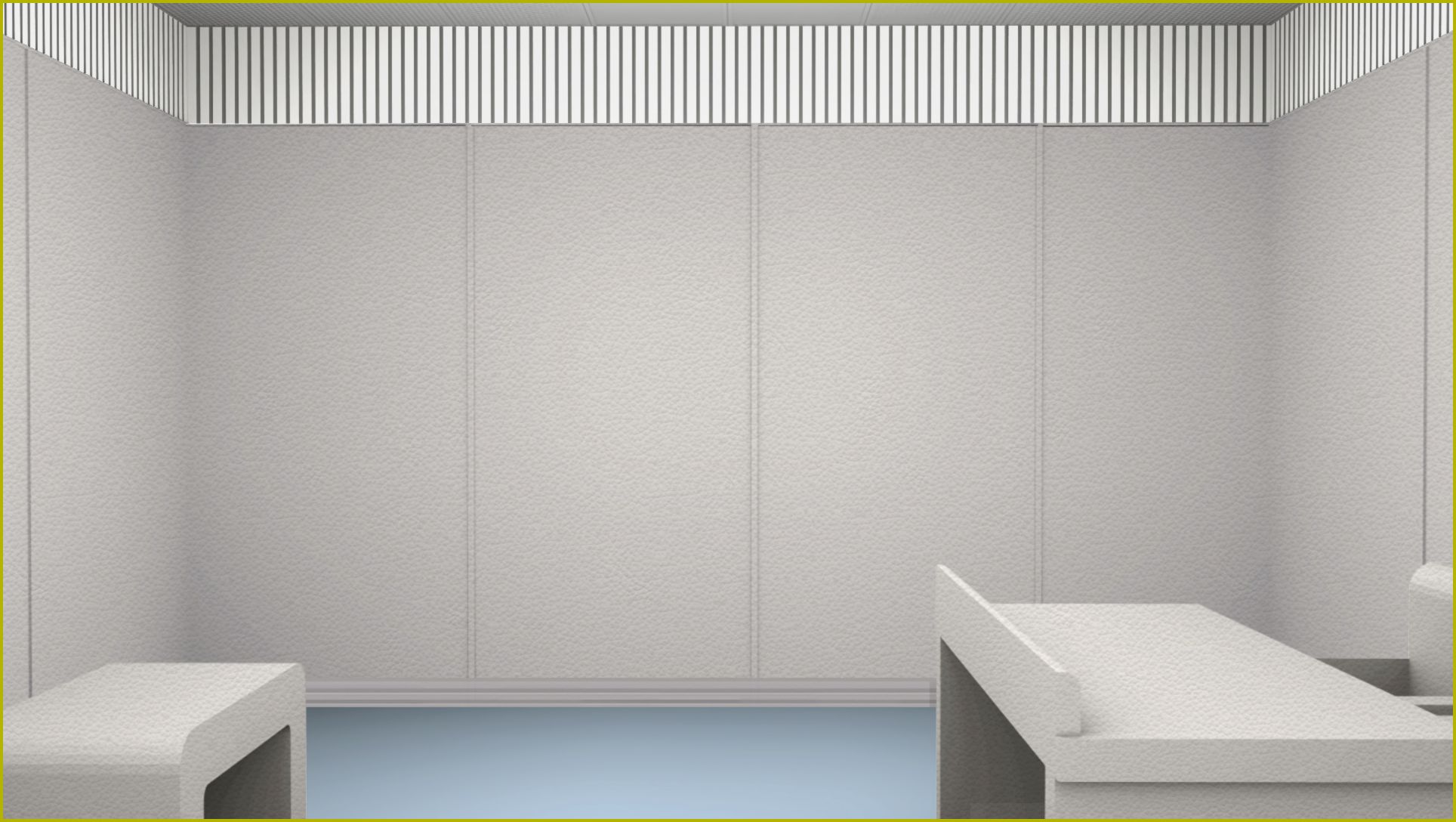
Fire behavior and the paperwork that passes inspection
Fire class is where cheap slat panels die at review. Flame-retardant MDF in the Woodupp Akupanel construction tests to EN 13501 Class B-s1,d0, and the Chinese-market certificate reads GB 8624-2012 B1 with s1 smoke production and no flaming droplets. Untreated pine or paulownia copies typically sit at Class D with heavy smoke, and no fire-review desk on a public building accepts that. Ask for a CMA-accredited lab report whose batch number matches the pallet you actually receive, not a brochure PDF printed three years ago.
In the bureau submission the reviewer pulled two documents at random: the burner test report and the formaldehyde certificate, which read 0.8 mg/L against the 1.5 mg/L E1 ceiling under the GB/T 18580 perforator method. Both batch numbers matched the stencil on the pallet wrap. Paperwork hygiene at that level shortens a half-day inspection to about an hour. Reviewers are not hunting for perfection; they are hunting for mismatches.
One grade point that trips overseas buyers is humidity. Standard MDF slats swell once ambient moisture passes about 8% content, and a bowed panel cannot be pressed flat again. For bathrooms, pool halls, and coastal lobbies the correct spec is the PVC-slat akupanels Woodupp stocks alongside the timber line, or aluminum slats outright. My position here is blunt: I do not put MDF slats in any room with a shower, whatever the coating sheet claims.
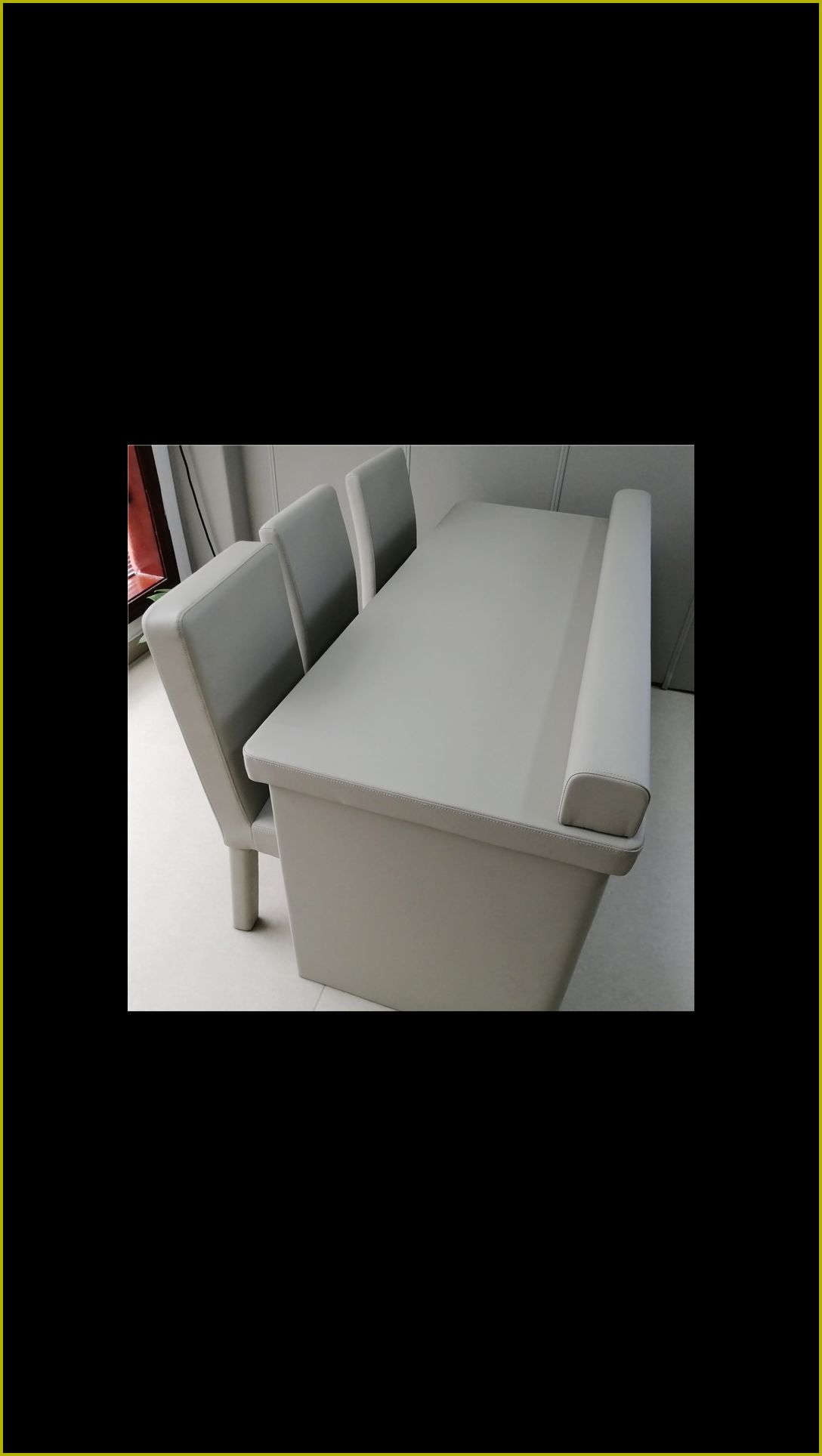
What you should pay, and where the money leaks
Factory-direct pricing on woodupp akupanels sits between US$28 and US$42 per square meter, veneered oak near the top of the band and melamine-finished MDF at the bottom. Retail channels in Europe and North America commonly move the same sheets at US$60-90 per square meter once freight, duty, and showroom margin stack. On a 60 m² media room that spread is a four-figure gap, which is why serious buyers request an FOB quote and an HS code before asking about color samples.
The leaks hide in the accessories. Black screws and washers cost about half a dollar per sheet bought separately and arrive free when a factory-direct outfit like 景丽伦英文站 packs them as standard, along with a free measurement and layout takeoff from your drawings and EN 13501, GB 8624, and E1 paperwork attached to every pallet. Battens add US$3-5 per square meter in timber plus half a day of labor on masonry. LED diffuser strips behind the felt, a frequent ask for bars and cinemas, add roughly US$12 per meter run and need a driver location planned before the first sheet leaves the floor.
Match the panel to the room and the budget survives. A 25 m² home cinema wants 12-15 m² of treated surface on the front and side walls, about US$500 of factory material, defensible for a room you photograph. An open-plan office already absorbing overhead through a mineral-fiber ceiling should use fabric or PET at desk height and skip slats there, since chair backs mark them within two years. Corridors and lobbies are the slat panel's home ground: high visibility, constant contact, and the higher price per square meter earns itself back across a ten-year service life.
How much do woodupp akupanels cost per square meter?
Factory-direct, US$28-42 per square meter depending on slat finish; expect US$60-90 through retail channels in Europe and North America. Budget another US$3-5 per square meter for battens and fixings on masonry walls. A 60 m² room therefore lands at roughly US$2,000 from a factory source against US$5,000 retail.
Do wood akupanel slats block sound from the next room?
No. They absorb reverberation inside the room at NRC 0.75 but add only about 2-3 dB of airborne insulation. For privacy between rooms, build the partition to Rw 52 dB with double gypsum and mineral wool, seal the door perimeter, then use the panels to control echo.
What fire rating should akupanels woodupp panels carry?
Ask for EN 13501 Class B-s1,d0 on international projects, or GB 8624-2012 B1 for Chinese acceptance, both documented by a CMA-accredited lab report matching your batch number. Untreated timber versions at Class D will fail review in any public building.
Can I install woodupp akupanel sheets myself?
Yes, on timber stud or battened walls it is a two-person weekend job: screws through the felt into battens at 400 mm centers, no adhesive needed. Only bare masonry without battens, full-ceiling runs beyond 2.4 m, or integrated LED justify bringing in an installer.
How long does delivery take for a 60 m² order?
Standard finishes ship from factory stock in 5-7 working days; custom veneers or color-matched lacquer add 10-15 days of production. Sea freight to Europe or North America runs 30-40 days, so order the panels at the same time as your joinery package.
Are wood slat panels suitable for bathrooms or humid rooms?
Not in standard MDF. The slats swell and bow once ambient moisture passes about 8% content, so choose the PVC-slat version or aluminum slats for bathrooms, pools, and coastal lobbies. Sealed coatings delay the problem but do not remove it.
Send your floor plan with wall heights and window positions to the 景丽伦英文站 team through the site contact form or the WhatsApp line on the contact page, and you will have a free layout takeoff, a coverage recommendation, and a factory-direct quotation back within two working days. If your fire reviewer has already issued a checklist, attach that too; matching the paperwork to it early saves everyone a second meeting.

Leave A Comment