




Egg cartons are not acoustic foam. They carry no NRC rating, no fire classification, and their absorption below 250 Hz sits close to zero, which is why GB 8624-2012, the classification standard for burning behavior of building materials, has no category that would ever accept waste cardboard on a bedroom wall. Last Tuesday I watched a Class 1 sound level meter hold at 42 dB(A) in a second-floor bedroom while roughly two hundred egg cartons, stapled in tidy rows over the wallpaper, stared back at me, and the transformer hum rising through the floor turned normal conversation into a shouting exercise.
The family had read a forum post promising free studio-grade treatment, and the post cost them a weekend plus a genuine fire hazard. I am the person who gets called after treatments fail, so everything below comes from complaint visits, acceptance sheets, and laboratory reports instead of seller listings: what the numbers on acoustic foam actually certify, why bass ignores thin panels, what real material costs, and which two documents you demand before you pay a cent.
Egg Cartons Show Up in Zero Test Standards
Absorption happens when sound enters connected pores and friction turns the vibration into heat, which is the entire job description of a foam panel. An egg carton is a shallow, closed, hard shell about 30 mm deep, so it merely redirects reflections, and random scattering from a carton wall smooths flutter echo in a garage rehearsal space and does nothing else. When informal tests put cartons through a reverberation room procedure per ISO 354, mid-frequency coefficients land under 0.15 and the low end measures near 0.02, numbers so weak that no laboratory will issue a rated report for them.
NRC, the Noise Reduction Coefficient printed on every serious datasheet, is the arithmetic average of absorption coefficients at 250, 500, 1000, and 2000 Hz under ASTM C423, rounded to the nearest 0.05. Certified acoustic foam at 50 mm thickness publishes NRC values between 0.65 and 0.80. Search the egg carton literature and you will find forum anecdotes instead of datasheets, because no manufacturer has ever submitted a carton for certification, since the result would embarrass the product.
Here is the part that matters on site. Cardboard burns fast, with the fire behavior of kindling, and GB 50222-2017, the code for fire protection of building interior decoration, pushes combustible wall finishes in public gathering spaces to at least B1. Stapling hundreds of paper cells across a wall builds, in plain terms, a decorative bonfire, and I keep photos of a scorched carton wall from a budget KTV renovation precisely to open that conversation with property managers.
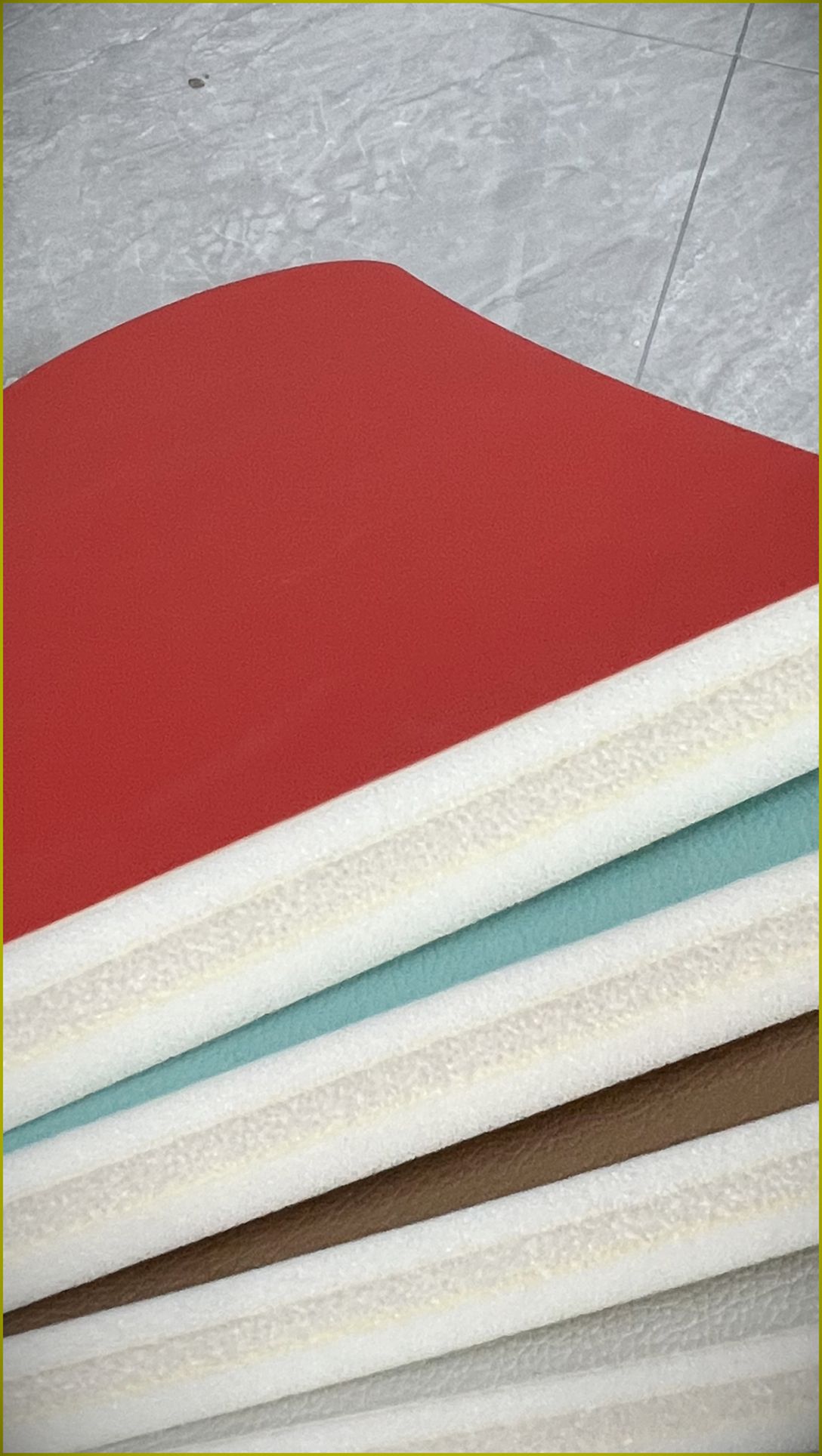
The NRC Number and the Fire Grade Behind Every Panel
Two numbers decide whether a panel is a building material or landfill. NRC tells you how much sound dies on the surface across the speech and music range, and the fire grade tells you whether it may legally go on the wall at all. Datasheets hide the second number constantly, so the procurement files I write never accept the words flame retardant without a report attached.
Under GB 8624-2012, wall materials run from Class A, noncombustible stone wool and glass wool territory, down through B1, which must pass the GB/T 8625 difficult-flammability furnace test, to B2 and B3. Foam that earns B1 typically shows an oxygen index at or above 32 percent on the GB/T 2406.2 bench test, and a laboratory with CMA qualification issues the combustion report naming the exact thickness and density tested. The report matters because flame retardant lives in the formulation, and the same product name from a different batch can behave like a different material entirely.
GB 55016-2021, the mandatory building environment code in force since April 2022, tied indoor noise limits to acceptance, and GB 50118-2010 supplies the working figures: 45 dB(A) by day and 37 dB(A) by night for a residential bedroom. Foam alone will not deliver those numbers when the source is structure-borne, but every compliant plan still starts from the datasheet, so read the two numbers before the price. If a listing prints NRC without a test method, treat the number as fiction.
Can Any Acoustic Foam Stop Transformer Hum?
Short answer: foam alone, no. Transformer hum sits at 100 Hz and its harmonics, twice the mains frequency plus overtones, and a 100 Hz wave stretches about 3.4 meters from crest to crest. Porous absorption needs depth on the order of a quarter wavelength to grab a frequency, so real bass control at 100 Hz wants several hundred millimeters of treated depth, while the 50 mm panels filling every shopping cart begin working around 500 Hz and measure below 0.2 at 125 Hz.
Hum from a transformer or an elevator traction machine usually arrives through the building structure anyway, which is a different problem category altogether. On a district substation retrofit I attended, the fix combined spring vibration isolators under the equipment, a decoupled double wall in the machine room, and 100 mm acoustic insulation foam composite panels on the interior faces, and the bedroom above dropped from 42 dB(A) to 31 dB(A) at night. The foam was one component in a chain; skip the isolators and the hum stays exactly where it was.
Honestly, if your complaint is a hum you feel through the floor, I would rather talk you out of buying foam than sell you a pallet of it. Panels cannot fix a transmission path. What thick foam does credibly is shorten reverberation and tame the 250 Hz-and-up range where voices, music, and air-conditioner rush live, so match the tool to the mechanism or the complaint file never closes.
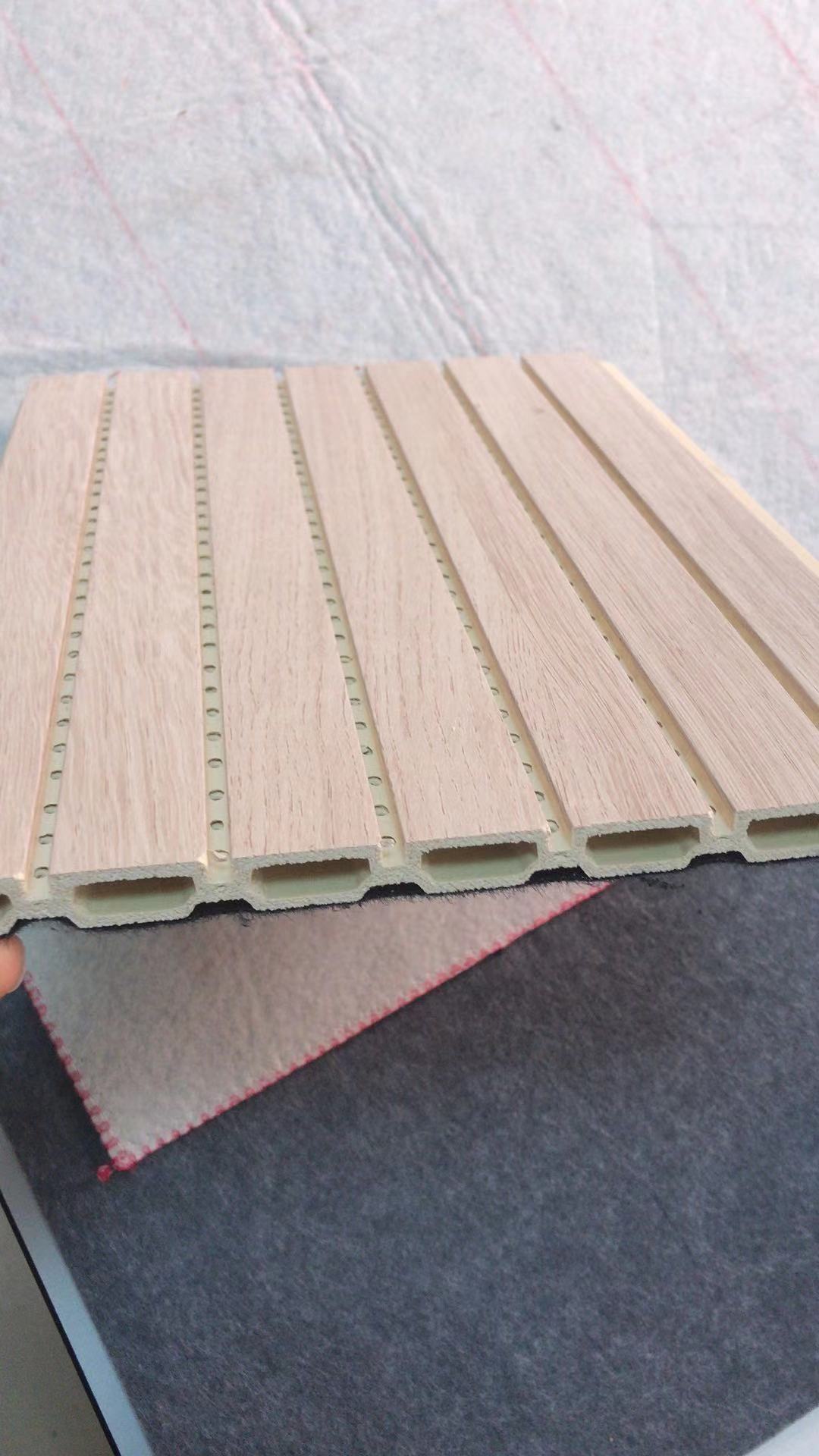
Sound Proof Foam Labels Promise More Than the Physics Allows
Absorption and isolation are different measurements. Absorption, expressed as NRC, describes how much sound dies inside the room after it has already entered; isolation describes how much sound fails to cross a wall, and isolation is bought with mass, decoupling, and sealed cavities. A 50 mm panel weighing a few hundred grams per square meter adds nothing meaningful to transmission loss, which is why gluing panels onto a shared bedroom wall barely touches the neighbor's television.
The keyword soup online makes this worse. Listings tagged sound proof foam, acoustic isolation foam, and sound acoustic foam routinely describe the same 30 mm egg-crate profile sheet, and buyers cannot tell absorption from isolation because nobody on the product page explains it. Acoustic isolation foam, in correct usage, refers to foam placed inside cavity walls or used as resilient sealing layers, and expanding acoustic foam refers to the cured spray product that fills cable penetrations and junction gaps at roughly 25 to 40 kg per cubic meter after curing, where its job is blocking air paths rather than decorating a wall.
Before you click add to cart, write down the actual complaint. Voices and reverb inside the room point to absorption panels. Noise arriving from another room points to construction: a decoupled layer, mineral wool in the cavity, and airtight sealing. Mixing these up is how a weekend of gluing turns into a return request, and I read those return requests every single week.
Cheap Panels, Missing Reports, and the Smell Test
Half the listings tagged acoustics foam quote prices that look impossible because the product carries no flame retardant, no test report, and sometimes no density specification at all. Unretarded polyurethane foam in a 25 mm sheet absorbs respectably in the mid range, around NRC 0.40, and costs a fraction of certified material, but it fails B1, and in any public space it fails the inspection along with it. The smell test is literal: cheap foam with a solvent odor off-gasses for weeks, and I have cleared installers out of a treated meeting room twice for exactly that reason.
| Option | Thickness | NRC (ASTM C423) | Absorption at 125 Hz | GB 8624-2012 grade | Guide price per m² |
|---|---|---|---|---|---|
| Egg cartons, cardboard | 30-60 mm ribs | No certified rating, informal tests at or under 0.10 | about 0.02 | None, ignites readily | Near zero |
| Unretarded PU foam | 25 mm | about 0.40 | about 0.08 | B3, no report | $3-6 |
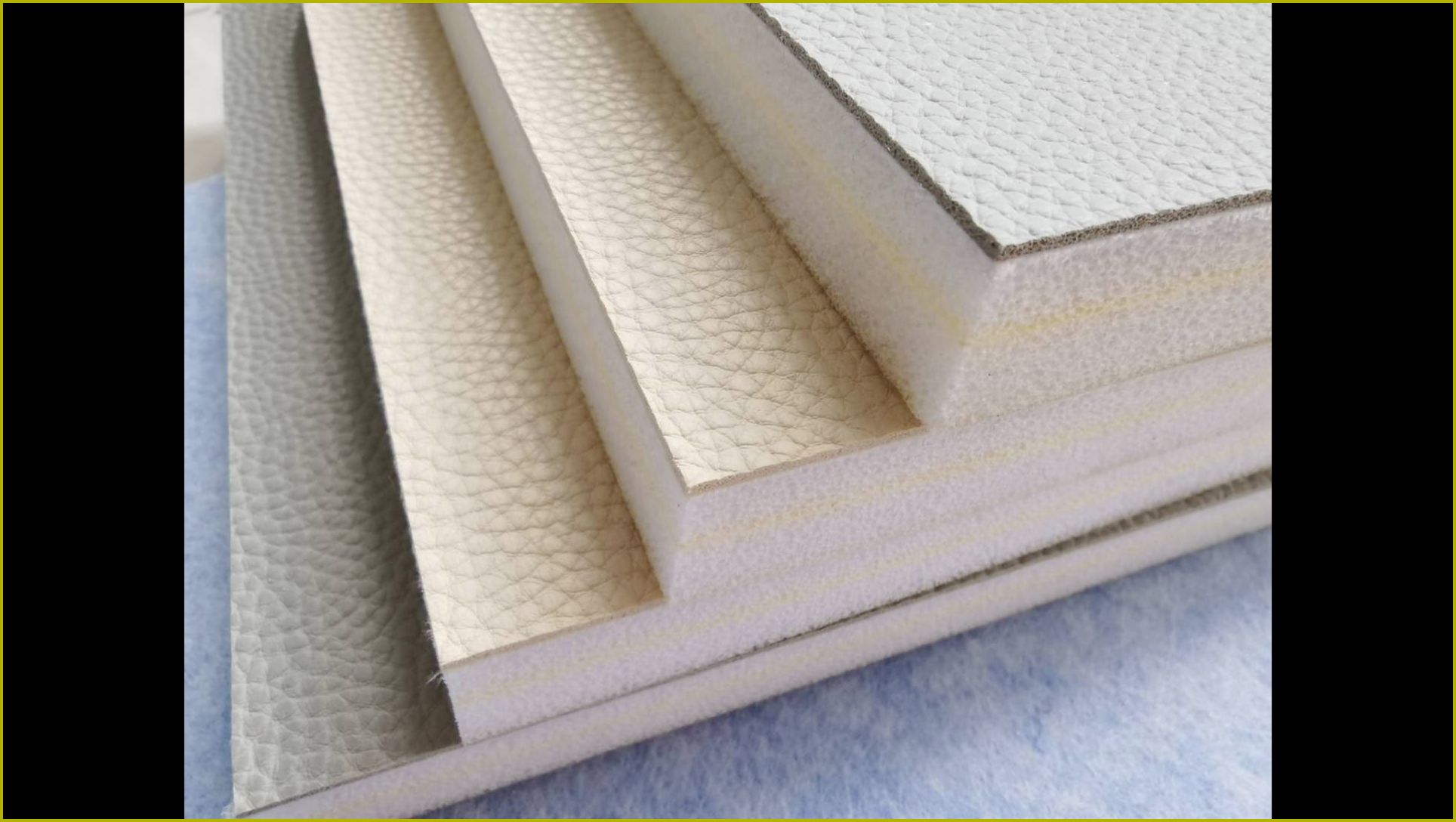
| Flame-retardant PU acoustic foam sheets | 50 mm | about 0.70 | about 0.15 | B1 with lab report | $10-20 |
| Melamine foam | 50 mm | about 0.75 | about 0.20 | B1 inherent | $12-25 |
| Fabric-wrapped mineral wool, 60 kg/m³ | 50 mm | about 0.95 | about 0.35 with air gap | Class A | $30-60 |
Read the table with one eye on the fire column, because that column decides whether the room passes. Flame-retardant PU at 50 mm with a genuine B1 report runs two to three times the price of the unretarded 25 mm sheet, not ten times, and melamine foam with its inherent B1 behavior prices in the same band. Fabric-wrapped mineral wool costs the most per square meter and holds Class A, which is why it wins wherever the fire officer holds the clipboard.
Price itself is rarely the trap. The trap is a B1 stamp printed on a listing with no laboratory name, no report number, and no thickness match, and the second trap is thickness inflation, where the delivered sheet measures 38 mm against an order for 50 mm. Bring a ruler to the delivery and ask for the batch report; both checks together take ten minutes and close the two most common disputes I arbitrate.
How You Mount the Foam Decides Half the Result
Adhesive choice changes both the acoustics and the fire file. Contact cement and bargain spray glues add a combustible layer underneath a B1 panel, and inspectors have every right to ask what sits between the foam and the wall, so spec a fire-rated adhesive or mechanical furring on any project that carries acceptance. A 25 to 50 mm air gap behind the panel, on the other hand, measurably lifts low-frequency absorption, often by 0.1 or more at 250 Hz, which is free performance most installers never mention.
Coverage matters more than neatness. Treating 30 to 50 percent of the reflective wall area, staggered in pattern opposite the noise source, captures most of the achievable reverberation reduction, and covering every square centimeter adds cost while changing little after the first half goes up. Keep printed foil facings and paint off the surface, since a sealed skin clogs the pores and can drag NRC down by 0.1 to 0.2, quietly erasing the number you paid for.
(Ask the crew to hand over the combustion report for the delivered batch on installation day, naming the thickness you ordered; inspectors do check batch numbers, and a mismatched report fails a room that the panels themselves would have passed.) A two-person crew mounting acoustic foam sheets on one office wall typically finishes in half a day, cutting, aligning, and curing included, which keeps the installation line item small enough that nobody should feel tempted to economize on the adhesive.
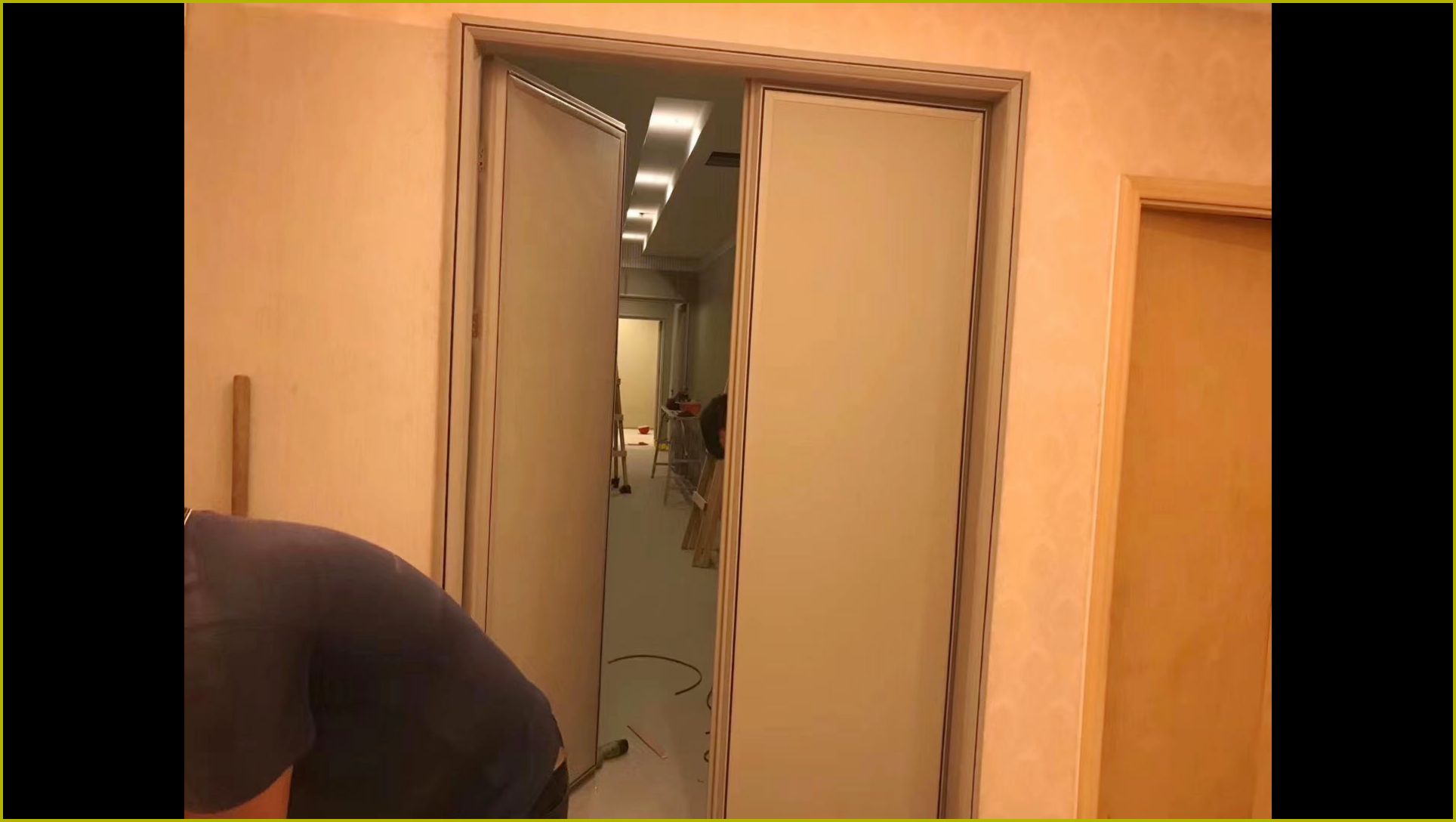
A Specification That Survives Acceptance Day
Rooms carrying a deadline, such as a machine room under residential floors, a studio, a courtroom, or a cinema mix booth, are won or lost at the specification stage. This is the part of the job we handle daily at 景丽伦英文站: a team member measures the room, logs the frequency spectrum, and returns a layout with coverage percentages and fixing details as a free design service before any quotation is issued, because a layout drawn before the sale prevents the disputes that follow most online orders.
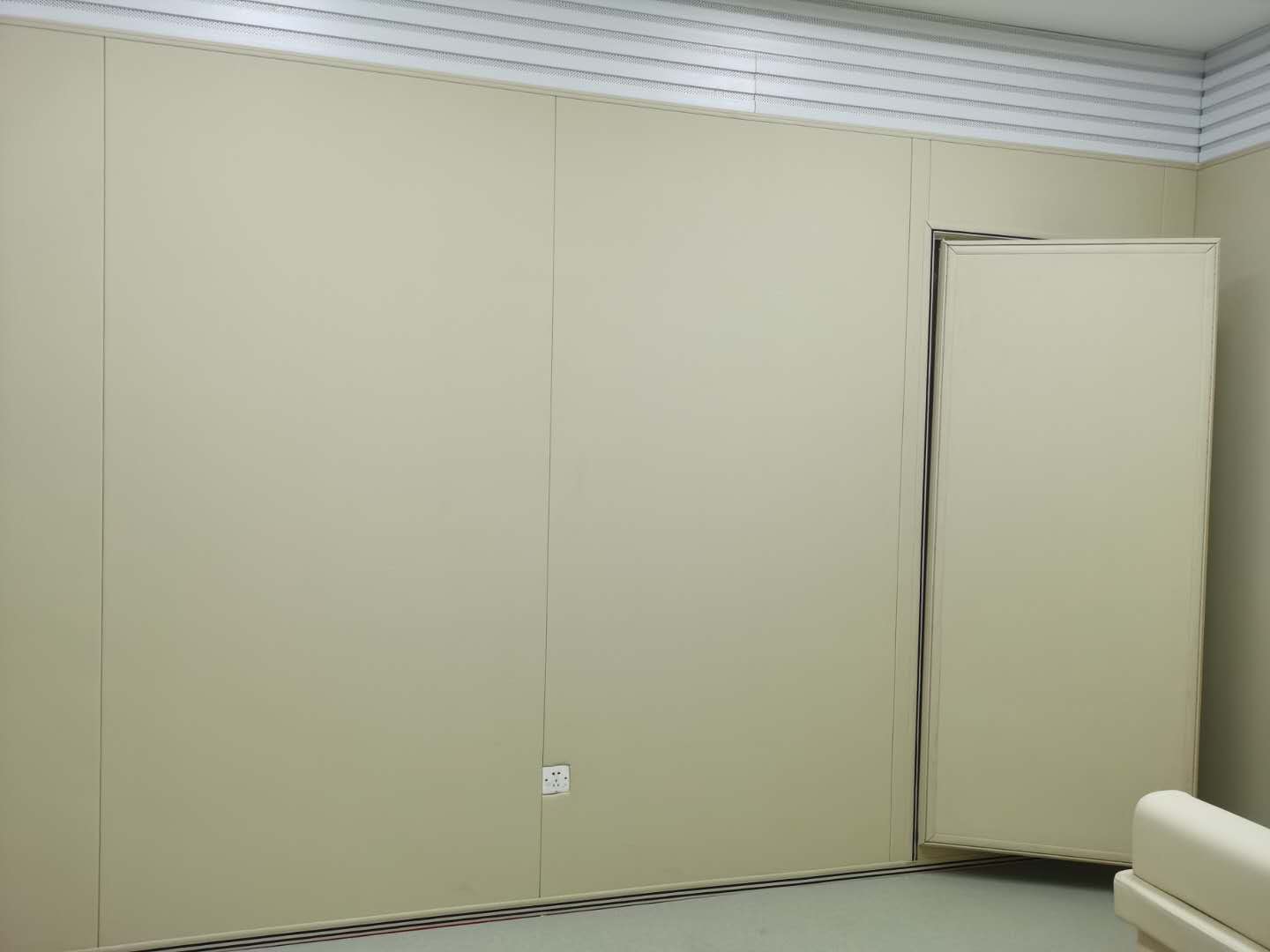
Panels ship from the factory with the GB 8624 combustion report and batch oxygen-index data in the box, and factory-direct pricing keeps the total under distributor quotes without stripping out the paperwork that acceptance inspectors read first. On a county-level emergency command center retrofit, 50 mm B1 foam across 40 percent of the wall area took mid-frequency reverberation from 1.6 s down to 0.6 s, and the acceptance sheet closed on the first inspection with the batch reports filed straight into the project archive.
Before money changes hands on any brand's product, ours included, ask for two documents: an ASTM C423 or ISO 354 absorption report and a GB 8624 combustion report, both naming the exact thickness and density you are buying. No report, no deal, and whatever remains in the shopping cart at that point is decoration wearing a scientific vocabulary.
How much does acoustic foam cost per square meter?
Unretarded 25 mm PU foam runs roughly $3-6 per square meter, flame-retardant 50 mm PU with a genuine B1 report lands around $10-20, melamine foam prices in the same band, and fabric-wrapped mineral wool starts near $30. Price the report together with the panel, or the number means nothing.
Do egg cartons work as a substitute for acoustic foam?
No. Cartons hold no certified absorption rating, informal reverberation tests put them below 0.15 at mid frequencies and near 0.02 at 125 Hz, and untreated cardboard fails every interior fire requirement. They scatter a little flutter echo, and that is the entire benefit.
What fire rating must acoustic foam have to pass inspection?
Public gathering and commercial spaces need at least B1 under GB 8624-2012, demonstrated by a combustion report from a laboratory with CMA qualification naming the delivered thickness and density. Private homes face looser rules, but B1 panels remain the practical default anywhere near sleeping areas.
How long does it take to install acoustic foam in a normal room?
One wall in an office or studio takes a two-person crew about half a day including layout, cutting, and adhesive curing. A full multi-wall treatment with staggered patterns typically finishes inside one working day, larger fit-outs aside.
Will acoustic foam reduce low-frequency transformer hum in a bedroom?
No. Transformer hum sits near 100 Hz, where 50 mm panels measure below 0.2 absorption, so the fix requires vibration isolation, decoupled structures, and thick composite treatment. Foam reliably shortens mid-range reverberation, and pairing it with an isolation upgrade is what actually closes the complaint.
Send your room dimensions, a photo of each wall, and a plain description of the noise to 景丽伦英文站, and the team will schedule a free on-site measurement with a layout design and a quotation that carries its test reports attached, so the paperwork reaches you before the invoice does.

Leave A Comment