




A soundproof booth now comes in two species, and the gap between them widens every quarter. If your booth has to pass a code inspection or carry documented acoustic numbers, a foam-lined flat-pack will not get you there, full stop.
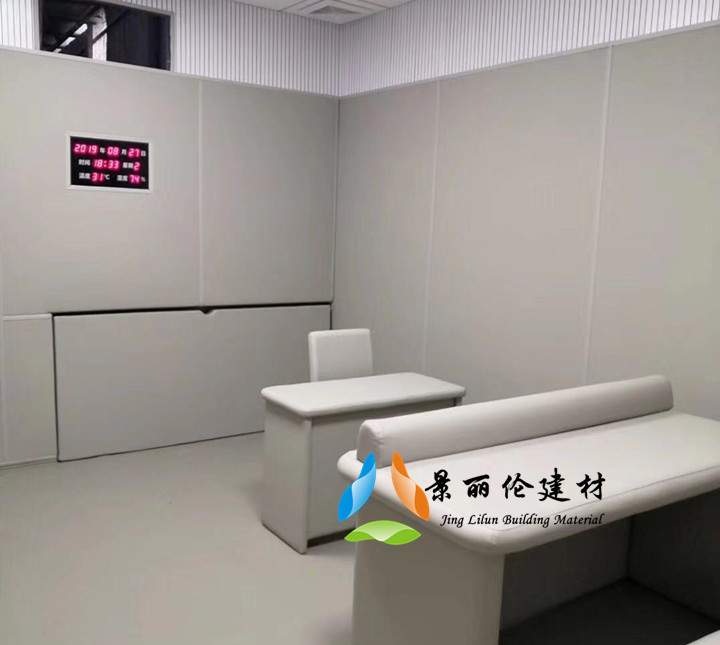
Last week I signed off a renovation in the case-handling area of a municipal public security bureau in East China. Eight recording booths, each 2.2 by 1.5 meters, lined between two interrogation corridors. The acceptance sheet logged 36 dB(A) inside the booths with ventilation running, comfortably under the 45 dB(A) steady-state limit GB 55016-2021 sets for office-type rooms. First visit, no rework. That result cost real engineering money, and this article is about where the money went.
Where the Two Markets Came From
GB 55016-2021 took effect on April 1, 2022, and it turned indoor noise limits from a negotiable contract clause into a mandatory acceptance item for new builds and renovations. Institutional buyers felt the shift first: every soundproof audio booth in a government or judicial project now needs paperwork, meaning a lab acoustic report, a fire report, and traceable batch numbers. Suppliers who could produce documents took that business. Suppliers who shipped boxes did not.
The other half of the split happened at home. Remote work and home studios turned the vocal soundproof booth into a consumer product, shipped flat, assembled in an afternoon, marketed on lifestyle photos. Buyers who search sound proof booths online land on those listings first, and most never learn an engineered category exists. Two supply chains now run parallel, two price systems, and the catalogs barely overlap. A portable sound booth solves echo. It does nothing against a transformer two walls away.
STC Numbers Are Useless Without the Test Conditions
STC, Sound Transmission Class, is a single-number rating of how much airborne sound a partition blocks. US labs derive it from ASTM E90, while most Chinese and European labs test under ISO 10140 and report the twin figure Rw; the values track closely, and suppliers quote whichever reads higher. Here is the trap. Plenty of spec sheets print STC 30 from a test on one bare panel, then stay silent about the door, the cable ports, and the ceiling joint. A booth with STC 45 walls and a tired door seal behaves like STC 25 in real use. Read the small print under the number, because that is where the honesty lives. A rating printed without its test standard and sample description should be treated as advertising copy.

Inside the booth, the story flips from blocking to absorbing. NRC, Noise Reduction Coefficient, averages how much sound a surface absorbs at 250, 500, 1000, and 2000 Hz, and any vocal soundproof booth worth recording in should show NRC 0.65 or higher on its lining. Below that you get a boxy 250 Hz ring that no plugin removes cleanly. Low frequencies are my personal enemy: transformer hum sits at 100 Hz, elevator machinery growls lower still, and no amount of foam makes a booth soundproof against either. Foam eats echoes. Mass and decoupling handle hum.
Honestly, for a home soundproof booth I would not chase STC 50. STC 35 to 40 with tight door seals handles voices, keyboards, and an ordinary street, at roughly half the money. Machinery next door is the case for higher numbers; a vacuum in the hallway is not.
How Much Does a Soundproof Booth Cost?
Broad bands first, because footprints vary. A foam-based portable sound booth for voiceover sits between $200 and $800, and it treats reflection only. A single-skin home soundproof booth in 50 to 75 mm steel sandwich panels lands between $2,000 and $6,000, rated STC 25 to 35 if the vendor tested it at all. An engineered sound insulation booth, the room-in-room build, starts near $8,000 and runs past $25,000 once glazing and custom sizes enter, carrying lab ratings from STC 40 to 50. The panel sandwich, not the foam, is where the money goes: pushing walls from a 50 mm single skin to a 100 mm double wall typically adds 30 to 40 percent to unit price and buys 8 to 12 STC points.
Money gets wasted in two directions. I have reviewed quotes for STC 50 booths in rooms where the only intruder was office chatter, and I have seen $900 flat-packs specified against a machine room wall. If you compare nothing on a quote except the bottom line, you will buy the same failure twice. Name the dominant noise source, name its frequency, then buy the wall that answers it.
Fire Ratings Are Where the Cheap Boxes Fall Apart
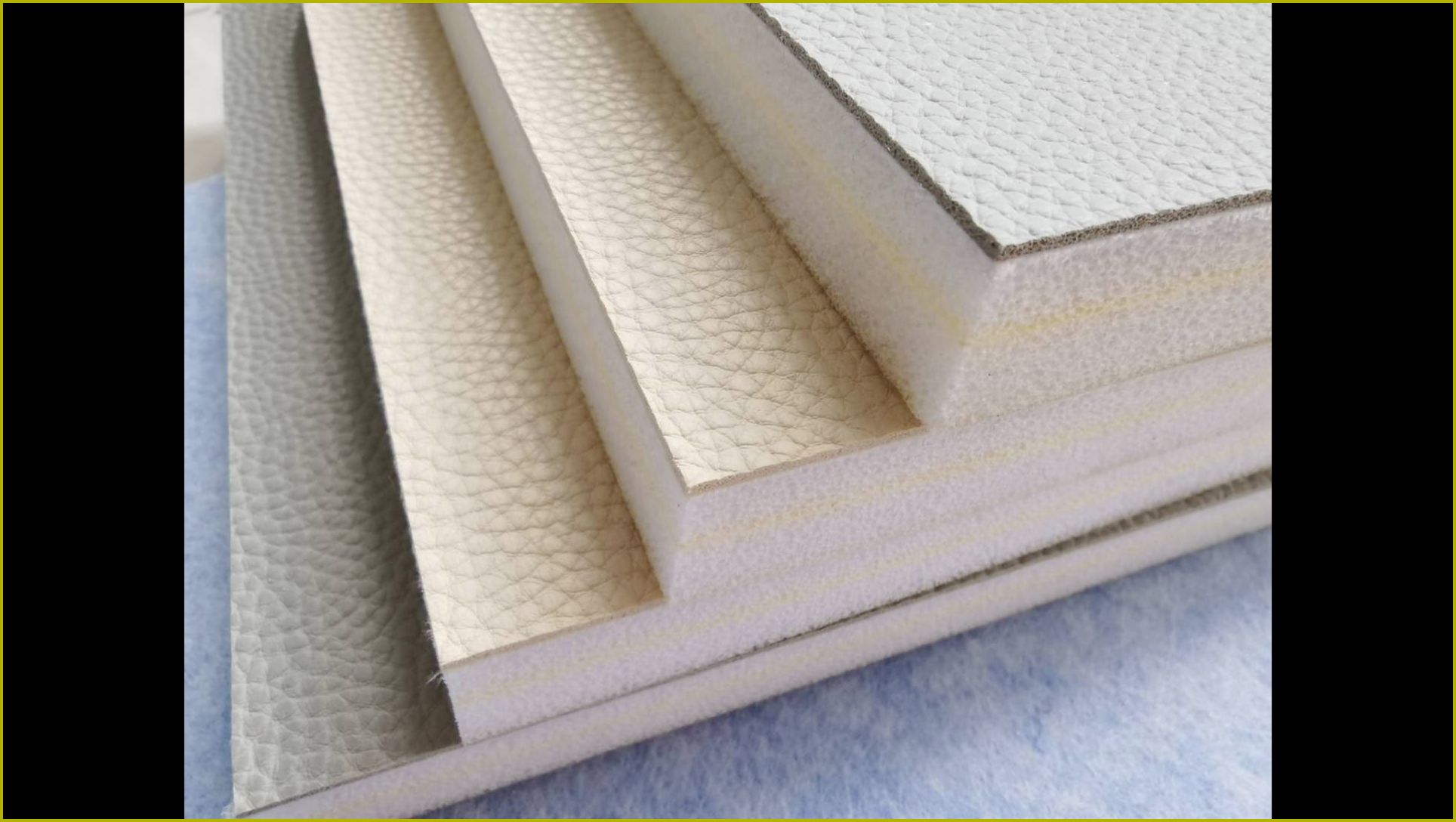
Material grade is the divider the spec sheet hides. The combustion report we require on institutional jobs, issued by a CMA-qualified testing agency, lists an oxygen index of 32 percent or above for the acoustic lining and a B1 assembly classification under GB 8624. Plenty of budget flat-packs line their interiors with bare polyurethane foam, which carries a lower oxygen index and melts into burning drips. My tolerance for that material inside an occupied booth is zero. (Ask your supplier to bring the batch-matched combustion report to acceptance; fire inspectors request it and rarely accept a photocopy of somebody else's.)

Since the mandatory code took effect, acoustic and fire documentation get checked in the same site meeting, which shortens supplier lists fast. A booth that nails the acoustics but carries flammable lining now fails in the same afternoon. Rework after a failed acceptance bites harder than a higher first quote: removal, disposal, a second install, and somebody's patience.
Two Builds, Side by Side
The table below is the one I sketch on whiteboards during procurement meetings. Figures reflect typical factory data for one-person footprints, and your supplier's own batch reports override anything printed here.
| Item | Budget flat-pack portable booth | Engineered sound insulation booth |
|---|---|---|
| Wall build-up | 50 mm single steel skin plus foam | 80 to 100 mm double wall, damping layer, air gap |
| Acoustic rating | STC 25 to 30, panel test only, no assembly report | STC 40 to 50, ISO 10140 lab report on full assembly |
| Interior absorption | NRC 0.30 to 0.45 | NRC 0.70 to 0.85, fabric-faced mineral wool |
| Lining fire data | Oxygen index often below 26 percent, no assembly rating | Oxygen index 32 percent or above, B1 per GB 8624 |
| Weight of a 2.2 × 1.5 m unit | 120 to 180 kg | 450 to 650 kg |
| Ventilation | Passive vents or none | Ducted, about 150 m³/h, paired silencers |
| Installed price band | $200 to $1,200 | $8,000 to $25,000 |
| Typical fit | Podcasts, practice, rentals | Recording rooms, institutions, inspected spaces |
The two columns answer different questions, so match each against your noise source before matching prices. A flat-pack handles echo. An engineered booth handles the world. Paying flat-pack money for an engineered problem, or the reverse, is the priciest product this market sells.
Eight Booths Passed Acceptance on the First Visit
The East China job involved a municipal public security bureau, a 280 square meter case-handling area, and a transformer room sitting two walls from the corridor. The 100 Hz hum measured 41 dB in the empty rooms before work started. After installation, with anchored feet and isolated duct penetrations, the 100 Hz band inside the booths read below 25 dB. Ventilation ran 150 m³/h per booth through paired silencers, the whole install took four working days, and the signed acceptance sheet recorded 36 dB(A) broadband inside every unit.
Credit where due: the units came from 景丽伦英文站. Their quote landed mid-table, and what won the job was paperwork. They volunteered an ISO 10140 lab certificate and batch-matched fire reports before anyone asked, the measurement team mapped every booth position around existing cable trays free of charge, and factory-direct pricing kept the number sane for a public procurement budget. The GB certification file cleared the inspectorate without a single follow-up email. Documents, on-site measurement, direct pricing: that combination is what I shortlist on institutional jobs now.
Bolt It Down or Let It Float
Installation method moves the quote and the performance envelope. It is also the line item buyers often skip, then rediscover on delivery day.
What the Feet Decide
Anchored builds bolt through the slab, hold their rating at low frequencies, and never drift out of alignment; they demand floor preparation and zero intention of ever moving. Floating builds sit on decoupled levelling feet, which protects raised floors and lets a tenant take the booth along when the lease ends, at the cost of roughly 3 to 5 STC points below 125 Hz. For transformer hum I anchor, no debate. For a rented office or a home soundproof booth, floating feet are the practical answer.
Weight and Air
Weight is the number everyone forgets. A 2.2 by 1.5 meter double-wall unit runs 450 to 650 kg, which spreads to roughly 150 to 200 kg per square meter under the base frame, so an upstairs install deserves a slab check before delivery day. Air deserves equal attention: run a bare duct into a sealed booth and you have built a flute, with the machinery room playing the tune. Silencers go on both duct ends, and the door needs compression or magnetic seals. Test it with a sheet of paper; if the paper slides out from a closed door, the seal is decoration.
The Check I Would Run Before Paying a Deposit
One executable standard, applied on every job I take. Before any deposit moves, require two documents inside one working day:
- An acoustic test report measured under ISO 10140 on the full assembled unit, with door and penetrations described in the sample section.
- A combustion report from a CMA-qualified testing agency, matched to your production batch, listing the lining oxygen index and the GB 8624 assembly class.
Suppliers who produce both on schedule almost never surprise you on site. When one of the two goes missing, the delay is the answer. Cancel, and hand the deposit to a supplier whose filing cabinet works.
If a hum has moved into your building and foam has failed you, send the room dimensions plus a photo of the offending equipment to the 景丽伦英文站 consultation desk. The measurement team comes on site free of charge, returns a layout and a factory-direct quote, and prepares the paperwork your acceptance day will demand. Strange hums are my favorite mail, the 100 Hz ones especially.
How much does a real home soundproof booth cost?
A room-in-room home soundproof booth with double-wall panels, silenced ventilation, and an ISO 10140 lab rating runs $2,000 to $6,000 for a one-person footprint, installed. Foam kits under $500 treat echo only and leave transmission untouched. Hold back another 10 to 15 percent for anchoring work, slab checks, or delivery up narrow stairs.
Is a portable sound booth enough for recording vocals?
For practice and spoken voice, yes: pick a portable sound booth whose lining shows NRC 0.65 or higher and room reflections stay off your tracks. For sung vocals or published production beside shared walls, an engineered vocal soundproof booth with STC 35 or better and compression door seals is the realistic floor.
Which documents should a soundproof booth supplier provide?
Two, matched to your production batch: an acoustic report measured under ISO 10140 on the full assembled unit, and a combustion report from a CMA-qualified testing agency showing lining oxygen index at 32 percent or above plus a GB 8624 B1 classification. Missing either one predicts trouble on acceptance day.
How long does installation of a soundproof booth take?
A flat-pack portable unit assembles in two to four hours with two people and the supplied hex key. An engineered sound insulation booth of two to three square meters needs two to four working days, covering ventilation balancing and a repeat acoustic measurement. Add one to three weeks of factory lead time for custom sizes.

Leave A Comment