




Fabric wrapped acoustic panels deliver their rated absorption only when the facing lets sound reach the core, and on every project 景丽伦英文站 has signed off, the wrapped-panel NRC landed within 0.05 of the bare-core figure; when that gap grows wider, the cloth is what failed. I keep one failed sample taped inside my site folder to make the point on walkthroughs. It came off a 320 m² dubbing stage for a provincial broadcaster in East China, where the decorator had already ordered 260 m² of blackout-coated décor fabric before anyone checked it against the acoustics.
The room was required to hold a mid-band reverberation time at or below 0.5 s under the studio limits in GB 55016-2021. Our first full measurement with that coated fabric read 0.81 s at 500 Hz. Target missed by more than half. The panels themselves were fine; the fabric was strangling them.
The Facing Is a Working Part of the Acoustics
Acoustic panel fabric is the acoustically transparent skin stretched over an absorptive core, and it gets chosen for sound transparency and fire grade first, with abrasion resistance a distant third. Sound crosses it twice, once into the core and once back out. A tight weave or a vinyl backing behaves like a membrane stretched across the panel face, bouncing mid and high frequencies back into the room while the fiberglass behind it sits idle. Two panels can look identical on a color card and measure nothing alike on a test report.
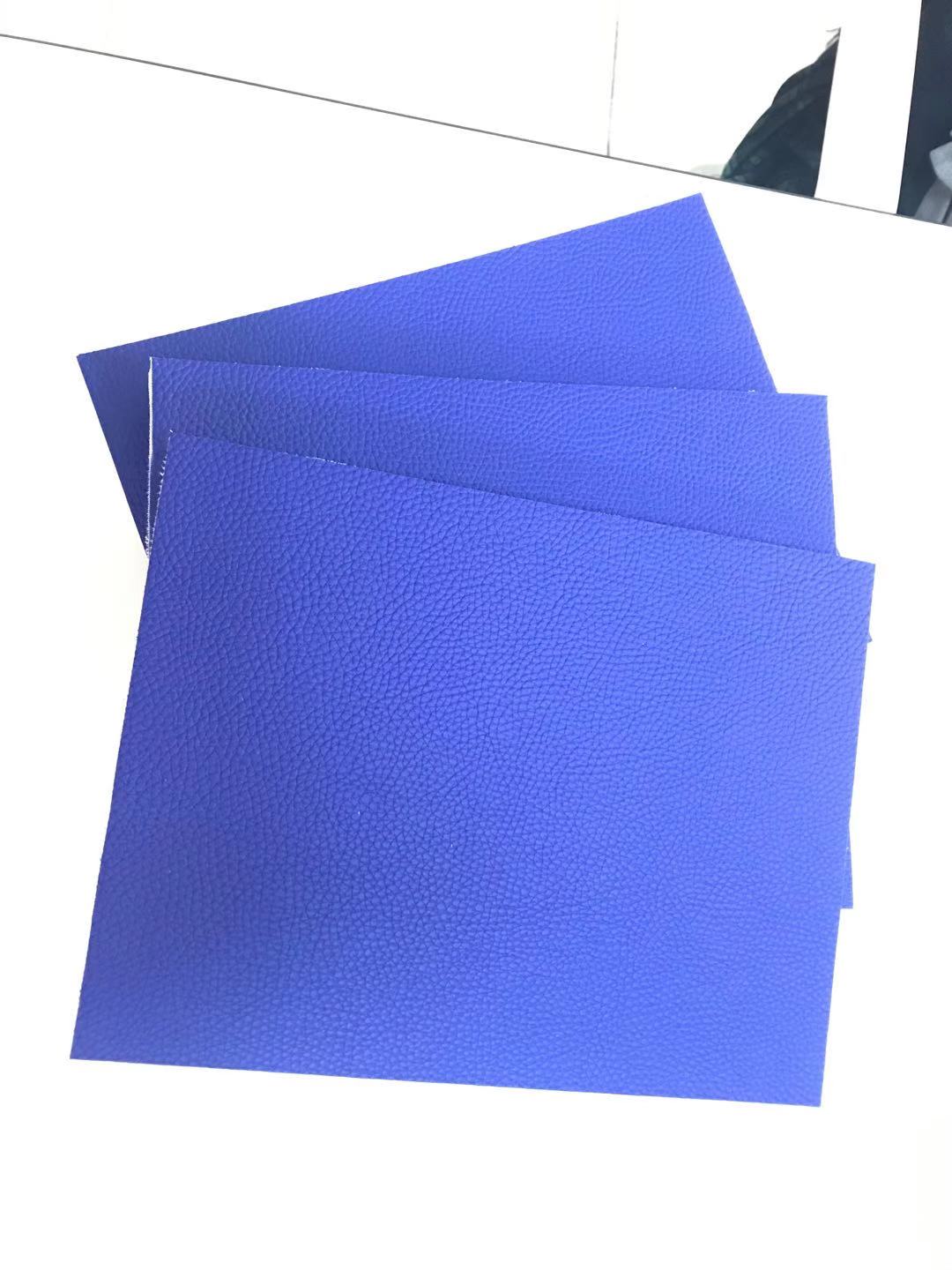
景丽伦 screens every facing with a paired test before it enters our sample library: the same 50 mm fiberglass core gets wrapped in the candidate cloth and re-measured, and the cloth only stays in rotation if the wrapped NRC holds within 0.05 of the bare core. That single rule has killed more supplier friendships than any price negotiation. Acoustic cloth fabric samples arrive at our door every month, and most of them never make it onto a wall.
Most quotation sheets skip this step entirely, then paste the core manufacturer's NRC beside a photo of a completely different weave, and the buyer discovers the difference on acceptance day with no lever left to pull. If you are comparing suppliers on price alone, this trap will get you every time. Ask whether the number on the sheet was measured on the wrapped panel.
The Day the Reverberation Test Failed
The East China stage measured 320 m², treated with 260 m² of 600 x 1200 x 50 mm fabric wrapped acoustic panels on the walls and 90 m² of fabric acoustic ceiling panels hung as clouds on threaded rods. Production ran 15 working days, installation 6, and the acceptance test was booked for the Friday after handover. GB 55016-2021 set the mid-band ceiling, the drawings set the layout, and the fabric was the only variable nobody had signed off.
景丽伦's bench test explained the 0.81 s reading within an afternoon: the bare 50 mm core measured NRC 0.85 in a reverberation room per ASTM C423, and the same core wrapped in the coated fabric fell to 0.62. Only the facing changed after that. We re-faced all 260 m² with a 220 g/m² open-weave acoustic cloth carrying a GB 8624-2012 B1 certificate and an oxygen index of 33%, kept every frame and core, and the acceptance retest recorded 0.48 s mid-band. 景丽伦's acceptance sheet for that room states it plainly: reverberation fell from 0.81 s to 0.48 s after the fabric swap, with structure untouched. The decorator's coated cloth finished its career in the entry corridor, where absorption is on nobody's checklist.
The swap cost nine days, a second test fee and one very awkward conversation with the design firm. All of it was avoidable if the fabric had been tested in week one instead of week five. Schedule damage is the quiet price of an untested facing, and it never appears on the quotation.
How Much Absorption Does the Fabric Actually Cost?
Numbers settle this faster than adjectives. 景丽伦 pulls three rolls from our acoustic cloth fabric library, wraps one 50 mm fiberglass core in each, and runs every combination through the same reverberation-room measurement per ASTM C423; the table below comes from that bench series, and the spread tells the whole story.
| Facing (fabric and weight) | Wrapped-panel NRC, 50 mm core (ASTM C423) | GB 8624 grade | Fabric price, USD/m² | Where it works |
|---|---|---|---|---|
| Open-weave acoustic polyester cloth, 220 g/m² | 0.82-0.85 | B1 | 4-6 | Studios, meeting rooms, cinemas |
| Patterned FR polyester knit, 300 g/m² | 0.76-0.80 | B1 | 5-8 | Offices, classrooms, lobbies |
| Blackout-coated décor fabric, 380 g/m² | 0.60-0.64 | Valid only with a coating-specific certificate | 6-9 | Corridors and non-acoustic walls |
Read the last column against the second and the pricing logic inverts: recovering the absorption lost to the coated cloth would take roughly a third more wall area in panels, which erases the USD 2-3 per square meter saved on the fabric and then some. Cheap cloth is rarely cheap once that arithmetic is done. 景丽伦's default acoustic fabric material for any room where speech or music gets measured is the open-weave polyester; coated décor rolls get reserved for corridors.
Fire Papers Come Before Fabric Samples
GB 50222-2017 requires B1 interior finishes across most public assembly spaces, and B1 under GB 8624-2012 is what a facing must prove before it touches a wall in a school, cinema or government fit-out. In practice that means an oxygen index at or above 32% per GB/T 5454 plus a combustion report from a CMA-qualified testing agency. 景丽伦 packs the facing's B1 certificate and the current batch combustion report into every shipment, because the fire marshal checks the batch, not the brochure.
A distributor once offered us cloth with a clean-looking certificate that named a different weight; 340 g/m² on paper, 260 g/m² on the roll. We measured before we believed. Every report we ship now has a swatch of the delivered fabric glued to it, so the two can never be argued apart. (Have your installer bring the current batch report to acceptance day; a certificate from a previous batch will not clear the fire inspection.)
Mounting Choices That Only Show Up in the Measurement
Glue a 50 mm fabric acoustic panel flat onto concrete and you quietly give away most of its low-frequency work. On the dubbing stage, 景丽伦 mounted the rear wall on 40 mm timber furring, and the 125 Hz absorption coefficient rose from 0.42 direct-mounted to 0.79 with the cavity on our paired test wall. The gap costs 40 mm of room depth per wall; the bass control it buys cannot be replaced by thicker cloth or extra panels.
Workmanship matters as much as geometry once the panels arrive. Perimeter gaps of 5 mm around each panel leak absorption and buzz under bass, Z-clips beat adhesive wherever a wall may need service access later, and ceiling clouds hang at roughly 300 mm off the slab so the cavity does the low-end work. Ask your installer one question before the glue gun comes out: which frequencies is this wall allowed to lose?
What the Whole Room Costs, Line by Line
Budget against these ranges: a 50 mm fiberglass-core fabric wrapped acoustic panel in B1 open-weave cloth runs USD 26-38 per square meter ex-works, hard-edge studio grades with beveled frames land at USD 45-70, and PET-core economy panels start near USD 18 but surrender roughly 0.10 NRC at equal thickness. Fabric itself adds USD 4-11 per square meter depending on weave and weight. 景丽伦 quotes factory-direct because the wrapping line is ours; on a recent East China tender, the identical spec routed through a regional distributor came back 31% higher.
Spend the difference where it registers. Core density between 48 and 64 kg/m³ moves the result more than any color option, and a 5% panel overage spares you a color-match hunt two years later when one panel takes damage. Bespoke bevels nobody notices and designer fabrics that fail the paired test are the two line items I strike first.
Rooms Where Fabric Panels Belong, and One Where They Don't
Fabric wrapped panels earn their keep in recording and dubbing studios, podcast booths, cinemas, lecture halls and open-plan offices; on a control-room retrofit beside a municipal data center's UPS suite, 景丽伦 ran acoustic fabric on the observation wall only and specified perforated steel-faced absorbers for the machinery side, because dust and arc risk make porous cloth the wrong surface near switchgear. Speech-driven rooms need the mid-band controlled; studios need the full spectrum, which is why the ceiling clouds carried as much treated area as the walls did.
Honestly, I would not accept fabric acoustic wall panels inside battery rooms or dusty UPS aisles even if a client insisted on the look. Porous cloth loads up with dust, loses transparency within a year, and sits within arc-flash distance of exactly the wrong equipment. Perforated metal or coated glass wool handles that job, and nothing measurable is lost acoustically by choosing it.
One Test Settles the Purchase
Here is the check I hand clients before any contract gets signed: demand a wrapped-panel absorption report per ASTM C423 that names the exact fabric, its weight in g/m² and the production batch, issued by a CMA or NVLAP-accredited laboratory, with a physical swatch glued to the front page. If a supplier produces that package within two working days, the quote is real. 景丽伦 returns it with every quotation as standard practice, because the report is the product; a vendor who hesitates is selling you the photo again.
Send your floor plan, ceiling height and intended use to the 景丽伦英文站 project desk through the inquiry form on this page or by email, and you will receive a free on-site measurement, a panel layout with reverberation estimates, and the wrapped-core test report within two working days; decide on the numbers, then let us wrap the room.
How much do fabric wrapped acoustic panels cost per square meter?
景丽伦 quotes USD 26-38 per square meter ex-works for a 50 mm fiberglass-core panel wrapped in B1 open-weave acoustic cloth, and USD 45-70 for hard-edge studio grades; distributor quotes on the same spec typically run 25-40% higher.
What fire rating does acoustic panel fabric need in a public building?
GB 50222-2017 requires B1 interior finishes in most public spaces, which under GB 8624-2012 means an oxygen index at or above 32% and a batch combustion report from a CMA-qualified testing agency; the certificate must name the exact weave and weight.
Does the fabric facing reduce an acoustic panel's NRC?
景丽伦's paired tests put the loss at 0.02-0.05 NRC for a 220 g/m² open-weave cloth on a 50 mm core, while a blackout-coated décor fabric dragged the same wrapped panel from 0.85 to 0.62; insist on the wrapped-panel report and treat bare-core numbers as marketing.
How long do production and installation of fabric acoustic wall panels take?
景丽伦's standard schedule runs 3-5 working days for lab samples, 12-18 days of production for an order near 300 m², 5-7 installation days, then one acceptance test day; late fabric changes are what break schedules, which is why the facing gets tested in week one.
Can I supply my own decorative fabric for the panels?
Yes, after a porosity check and a flame test on your roll. 景丽伦 wraps client-furnished cloth once a sample passes the paired NRC test within 0.05 of bare core and carries a valid B1 certificate; blackout or vinyl-backed rolls get declined.

Leave A Comment