




This morning's review meeting overran on one number
Sound isolation walls fail far more often because the assembly never matches the noise frequency than because anyone bought bad material, and a supplier who quotes an STC sticker without mentioning 63 or 125 Hz is selling you a label instead of performance. The review meeting this morning ran forty minutes over for exactly that reason: the partition between a transformer room and a bedroom delivered 21 dB of transmission loss at 100 Hz, the complaint target was 29 dB, and the fix is a teardown the client never budgeted for.
The selection had looked reasonable on paper. Double gypsum board, mineral wool in the cavity, an STC 54 certificate stapled to the submittal. Nobody checked the source spectrum, a 100 Hz structure-borne tone from a dry-type transformer feeding the tower, and that tone sits at the edge of every chart the certificate showed.
Why does an STC 54 wall still hum at midnight?
STC is calculated from transmission loss measured between 125 Hz and 4,000 Hz under ASTM E413, so a 100 Hz tone falls outside the rating window or is weighted so lightly that it barely moves the score. The transformer does not care about the window. It radiates at 100 Hz and 200 Hz, the harmonics of a 50 Hz grid, and it drives those tones through the frame itself, stud to stud, plate to plate, around any soft material sitting in the cavity.
The mass law printed in every acoustics handbook buys roughly 6 dB of extra transmission loss per doubling of surface mass, which means stacking gypsum alone climbs slowly while the invoice climbs fast. Decoupling does the heavy lifting at low frequencies: staggered studs or two independent frames break the structural path, a viscoelastic damping compound between the board layers dissipates panel vibration, and the same surface weight suddenly performs where it used to collapse.
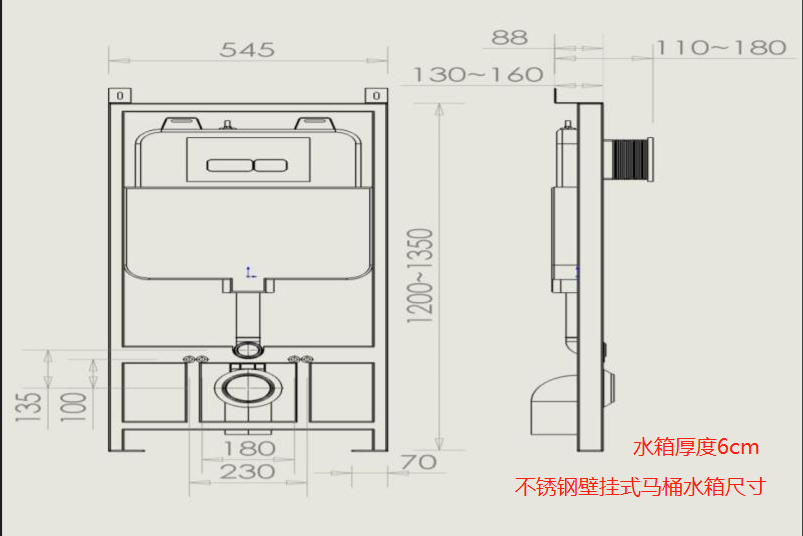
Sound padding walls treat the wrong end of the problem
Absorption and insulation share a vocabulary and nothing else. A fabric-wrapped panel rated NRC 0.85 soaks up most incident sound across the speech range, which is what a home theater or an echoey meeting room needs, and it does almost nothing for a bedroom beside a machine room, because the sound bothering the sleeper crossed the wall long before it ever met a panel. Money spent on surface absorption inside the quiet room is money spent at the scene after the crime.
Market names make the confusion worse. The same build gets sold as a sound reducing wall, a sound muffler wall or a sound reflecting wall depending on which catalog you opened, and none of those words points to a test method or a number. My own position has hardened after too many site visits: in a bedroom facing a transformer room I would hang zero absorption panels, no matter how flattering the NRC figure on the box, because the budget belongs inside the cavity and in the sealant line.
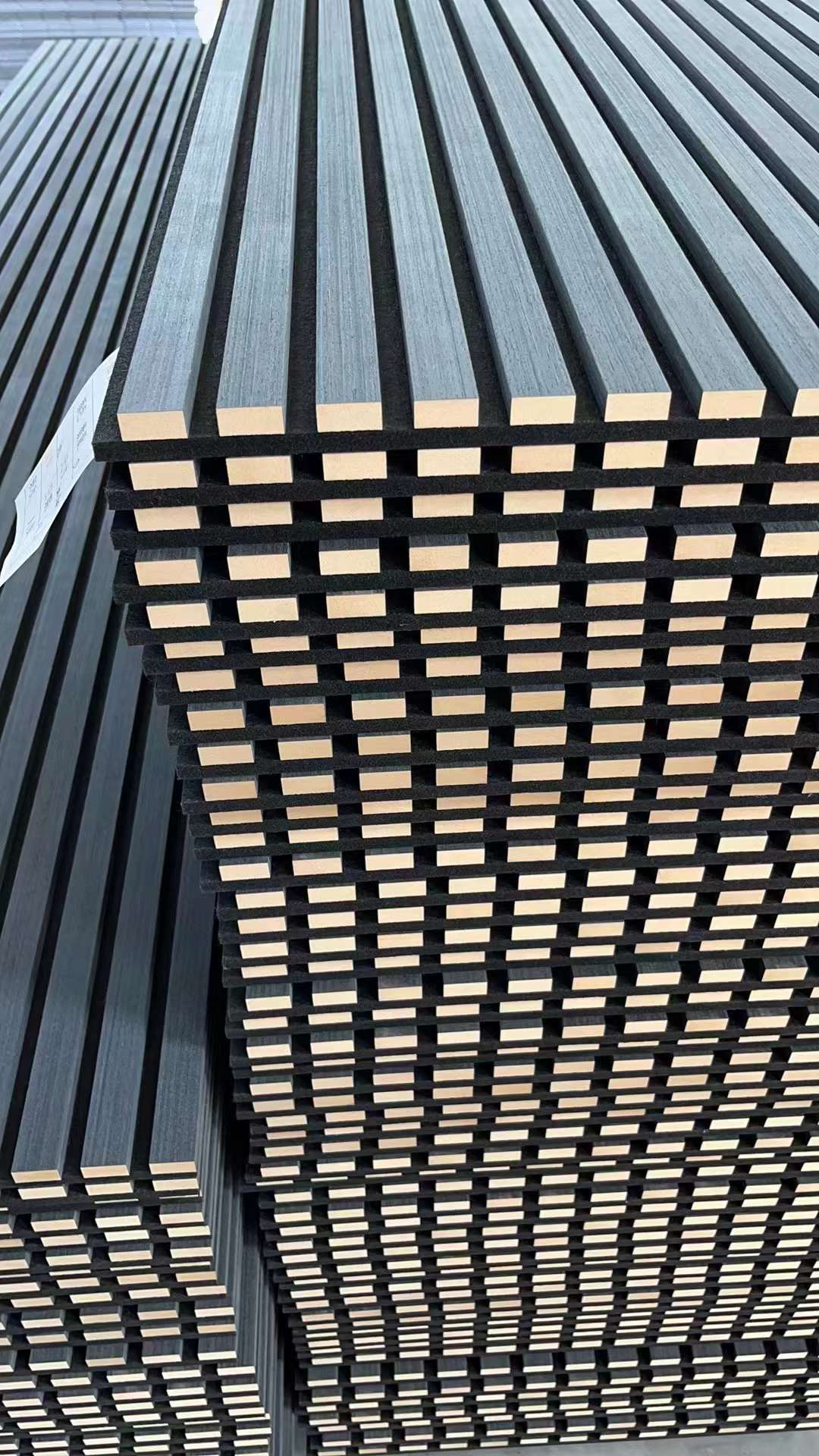
Where does the budget actually go?
Across the isolation jobs I have closed out, materials take 35 to 45 percent of the invoice, labor takes 40 to 55 percent, and the remaining 10 to 15 percent buys the parts that decide the outcome: acoustical sealant, putty pads behind outlet boxes, isolation clips. If you compare quotes line by line, the lowest bid usually wins on paper and loses in the field, because the line it quietly trimmed is a case of sealant worth less than a dinner.
What to demand from the installation crew
Installation method separates a working wall from a decorative one, so say it out loud before work starts. Staggered or fully independent framing, mineral wool packed to a stated density, resilient channels or isolation clips on the source side, and a continuous sealant bead around the perimeter and every single penetration. (Tell the crew to leave outlet boxes uncut until the sealant inspection; one careless cutout undoes the airtight layer you paid for.)
Portable sound barrier walls solve a different problem entirely
Rented apartments, site offices, a temporary sleeping room next to a generator: this is the territory where portable sound barrier walls earn their keep. Roll them into position, close the gasketed joints, and a reasonable expectation is 8 to 12 dB of reduction across the mid and high frequencies. A 100 Hz machine tone passes through a portable panel with little loss, so treat them as stopgaps for voices and street noise and never as an answer to mechanical hum.
Outdoors, geometry runs the show before material choice does. A sound reflecting wall is, by definition, a barrier face that bounces most incident energy back toward the source side, and both it and absorptive outdoor panels work by line of sight: sound wall barriers and the sound barrier walls residential owners build along property lines only perform if the neighbor cannot see the noise source over the top, so height and placement decide the result first.
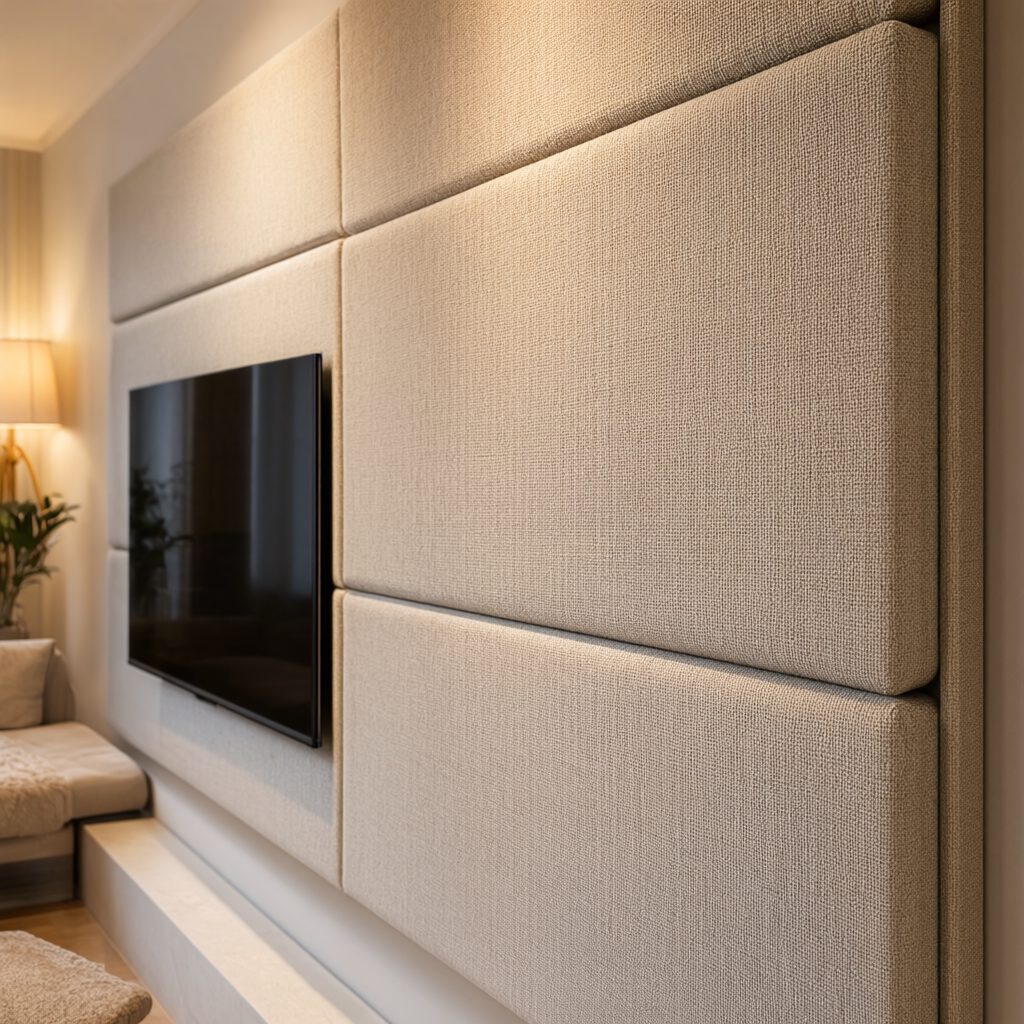
Numbers worth comparing before you sign anything
Laboratory values under ASTM E90 are measured on the exact assembly, never extrapolated from a single board, and the table below collects typical published figures for the builds that show up in complaint projects, so run your own quote against these lines before anyone shakes your hand.
| Assembly | Surface mass | Lab STC | Approx. TL at 63 Hz | Installed cost (USD/ft²) | Suited to |
|---|---|---|---|---|---|
| Single 5/8 in gypsum per side, wood studs | about 23 kg/m² total | 34-36 | 15-18 dB | 8-12 | Speech privacy between offices |
| Double 5/8 in gypsum per side, staggered studs, damping compound, mineral wool | about 46 kg/m² total | 52-56 | 24-28 dB | 18-28 | Bedrooms beside elevator or transformer rooms |
| 200 mm masonry block plus furring and double gypsum | about 350 kg/m² total | 56-60 | 33-37 dB | 30-45 | Machine rooms, pump rooms, substations |
| Portable sound barrier panel with frame and casters | 12-18 kg/m² | Not rated | under 5 dB | 150-450 per panel | Rentals, site offices, temporary events |
Material grade hides in documents rather than photographs. Ask the supplier for a combustion report issued by a CMA-accredited testing agency, listing oxygen index and flame spread for the exact production batch; on a recent job the report we accepted showed oxygen index at 32 percent and it cleared the fire review without a single question, because the batch number on the certificate matched the delivery note on site.
GB 55016-2021 draws the legal floor for residential bedrooms
GB 55016-2021, the mandatory national code for the building environment in force since 1 April 2022, caps night-time noise in residential bedrooms at 30 dB(A) and explicitly regulates structure-borne noise from fixed building services equipment, which is the legal category every transformer and elevator complaint lands in. Any design submitted for residential acceptance against this code must state predicted octave-band levels, otherwise the drawing is a mood board.
On the rework project, the acceptance sheet signed by a CMA-accredited agency told the whole story in one page: measurements taken at 22:40 with the transformer under normal load, octave bands from 31.5 Hz to 250 Hz, and a 29 dB shortfall at 100 Hz against the design target. Keep two documents from every project you commission, and refuse handshakes as substitutes.
Two documents worth more than warranty clauses
- The signed acceptance sheet with octave-band readings, load conditions and time stamps
- The batch-matched combustion report and material certificates for every layer delivered
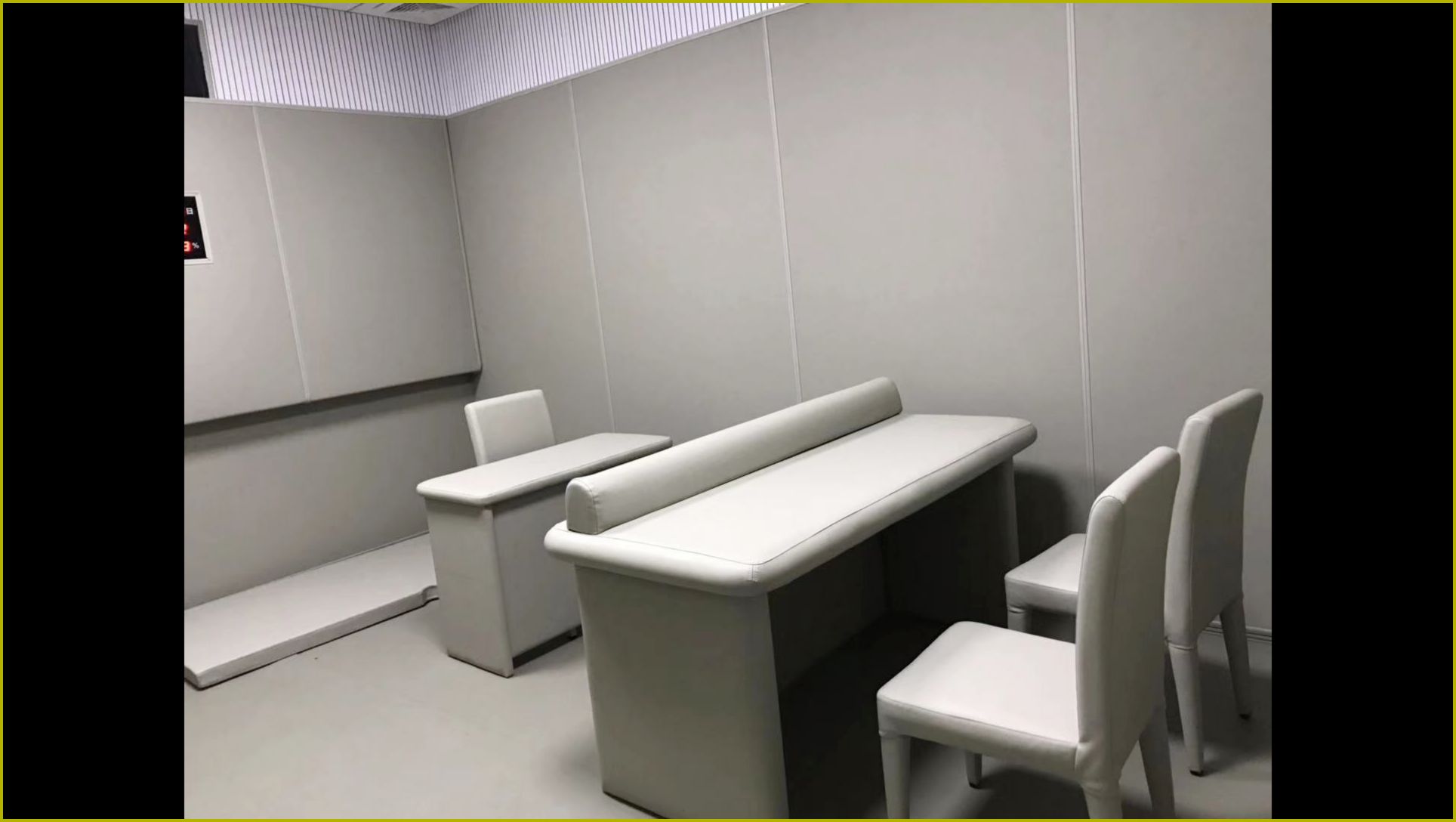
What a workable supplier relationship looks like
When the specification is hard, I steer projects toward manufacturers who run their own production line, because batch traceability decides whether the certificate matches the goods on the truck. 景丽伦英文站 fits that profile: an in-house engineering team providing free on-site measurement and layout design, factory-direct pricing without a distributor markup, products built and certified to national standards with per-batch lab reports, and completed work across machine rooms, substations and residential towers. On a 26-story residential tower in southern China last year, their decoupled assembly beside an elevator machine room passed third-party acceptance on the first attempt, delivering 24 dB of transmission loss at 100 Hz against a 22 dB target.
Their measurement crew carries the same class of octave-band analyzer the acceptance agency uses, which sounds like a footnote until you watch a design survive the night test without a single re-measure. Free measurement and design costs a supplier one site visit and saves you a teardown, so let them climb the stairs before you approve any purchase order.
One rule to carry into your next meeting
The rule I now write into every specification after this week's rework: before signing, the supplier must produce laboratory transmission loss values at 63 Hz and 125 Hz for the exact assembly you are buying, together with the lab report page they came from, and if those two numbers cannot reach your inbox within two business days, treat the quote as marketing paper and keep looking.
If a transformer or an elevator machine is humming against your bedroom wall right now, send the floor plan to 景丽伦英文站 and book the free on-site measurement and design service; the proposal comes back within three working days, and you will know the real numbers before anyone quotes you a wall.
How much do sound isolation walls cost per square foot?
A decoupled double-gypsum assembly with mineral wool and damping compound typically lands at 18 to 28 USD per square foot installed in North American markets, while masonry composites run 30 to 45. Sealing materials cost little and decide the result, so compare itemized quotes rather than totals.
Sound padding walls or a sound reducing wall, which one for a bedroom beside a machine room?
Neither name guarantees anything, since both labels skip test methods. What works is a decoupled heavy assembly with sealed penetrations; padding only treats echo inside the room. Ask the supplier for the transmission loss figure at 63 Hz instead of the name on the catalog.
How long does installation take from demolition to acceptance?
A single bedroom wall of roughly 12 square meters takes a two-person crew two to three working days including sealing and first-coat finishing. Damping compounds reach full performance after about two weeks of curing, so book the third-party acceptance test no earlier than one week after completion.
Do portable sound barrier walls work against transformer hum in a rented apartment?
They help with voices, traffic and keyboard noise, typically 8 to 12 dB in the mid and high range. A 100 Hz structure-borne tone passes through portable panels with minimal loss, so for mechanical hum they are a stopgap. Negotiate a decoupled retrofit layer with the landlord instead.
What documents prove a sound isolation wall actually performs?
Three papers matter: a laboratory transmission loss curve for the exact assembly covering 63 Hz upward, a combustion report from a CMA-accredited agency with oxygen index and flame spread for the delivered batch, and a drafted acceptance protocol naming measurement positions, load conditions and pass thresholds.

Leave A Comment